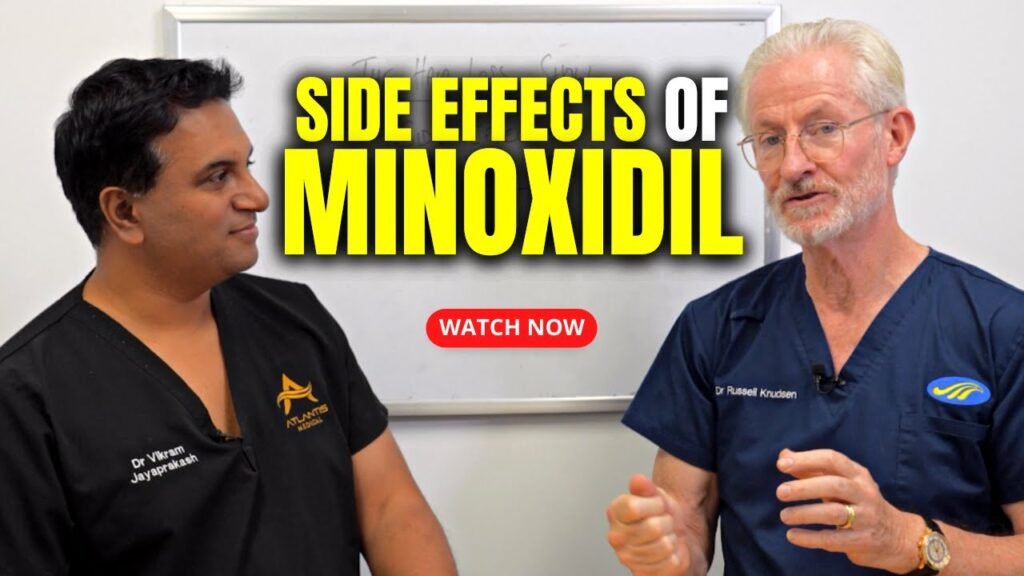
Understanding Scalp Irritation from Minoxidil: Expert Insights
Minoxidil, a widely used treatment for hair loss, is known for its efficacy in promoting hair growth. However, one common side effect that users may experience is scalp irritation. Scalp irritation from minoxidil can manifest as itching, redness, dryness, or flaking, often leading individuals to seek expert advice on how to manage these symptoms effectively. Understanding the root causes of this irritation can help in mitigating discomfort and ensuring a more pleasant experience with minoxidil.
Causes of Scalp Irritation
The active ingredient in minoxidil is an alcohol-based solution, which can sometimes lead to dryness and irritation. Experts suggest that this irritation may be due to the alcohol content or other inactive ingredients, rather than the minoxidil itself. Prolonged exposure to these substances can strip the scalp of its natural oils, resulting in dryness and sensitivity. Additionally, individuals with pre-existing scalp conditions, such as eczema or psoriasis, may find themselves more susceptible to irritation.
Expert Recommendations for Management
To alleviate scalp irritation, experts recommend several strategies. Firstly, switching to a foam formulation of minoxidil, which typically contains less alcohol, may reduce irritation for some users. Hydration is key; using a gentle, moisturizing shampoo and conditioner can help maintain scalp moisture. Incorporating products with soothing ingredients like aloe vera or chamomile may also provide relief. For severe cases, dermatologists may suggest topical corticosteroids or recommend discontinuing use temporarily to allow the scalp to recover.
Top Causes of Scalp Irritation When Using Minoxidil
Minoxidil is a popular treatment for hair loss, but it can sometimes cause scalp irritation, a common concern for users. One of the primary culprits of this irritation is the alcohol content in many minoxidil formulations. Alcohol is used as a solvent to dissolve minoxidil and help it penetrate the scalp, but it can also dry out the skin, leading to itching, redness, and flaking. This drying effect can exacerbate existing scalp conditions, making it crucial for users to monitor their skins response and consider alcohol-free versions if irritation persists.
Another significant cause of scalp irritation when using minoxidil is the presence of propylene glycol. This ingredient is included to enhance the absorption of minoxidil into the scalp, but it can be a common irritant for those with sensitive skin. Some users may experience allergic reactions or heightened sensitivity, resulting in discomfort or a burning sensation. For individuals who notice these symptoms, switching to a propylene glycol-free formulation may help alleviate irritation while still allowing the benefits of minoxidil.
Finally, improper application can also lead to scalp irritation. Overusing the product or applying it to wet hair can increase the likelihood of adverse reactions. Its important to follow the recommended dosage and application instructions closely. Applying minoxidil to a clean, dry scalp can minimize irritation and ensure that the product is absorbed effectively. By understanding these top causes of scalp irritation, users can take proactive steps to mitigate discomfort and continue their hair growth journey with confidence.
Expert Tips for Managing Scalp Irritation from Minoxidil
Experiencing scalp irritation from Minoxidil can be a common side effect, but there are several strategies you can implement to minimize discomfort and maintain your hair regrowth journey. First and foremost, consider conducting a patch test before fully applying Minoxidil to your scalp. This simple test can help determine if you have a sensitivity to the product, allowing you to take preventive measures early on. If irritation occurs, reducing the frequency of application can also be beneficial. Instead of applying twice daily, try applying it once daily to see if symptoms improve.
Choose the Right Formula
The formulation of Minoxidil you use can significantly impact your scalps reaction. Opt for a foam-based formula instead of a liquid one, as the foam tends to be less irritating for many users. Foam formulas are often alcohol-free, reducing the potential for dryness and irritation. Moreover, ensure that the product is applied to a dry scalp. Applying Minoxidil to a wet or damp scalp can increase the likelihood of irritation due to enhanced absorption of the active ingredients.
To further manage scalp irritation, it is crucial to maintain a healthy scalp environment. Use a gentle, sulfate-free shampoo to cleanse your scalp and hair. This can help remove any residue from Minoxidil while keeping your scalp hydrated and free from harsh chemicals that can exacerbate irritation. Additionally, incorporating a soothing conditioner or a leave-in treatment with ingredients like aloe vera or chamomile can provide relief and maintain scalp moisture, promoting a more comfortable experience with Minoxidil.
How to Prevent Scalp Irritation from Minoxidil: Advice from Experts
When using minoxidil for hair regrowth, some users experience scalp irritation as a side effect. To minimize this, experts recommend starting with a lower concentration of minoxidil. For instance, if you find the 5% solution too harsh, consider switching to the 2% formulation. This adjustment allows your scalp to acclimate gradually, reducing the likelihood of irritation while still promoting hair growth.
Incorporate a Gentle Hair Care Routine
Adopting a gentle hair care routine can significantly help in preventing scalp irritation. Experts suggest using a sulfate-free shampoo and conditioner to avoid stripping your scalp of its natural oils. Additionally, avoid using products with alcohol, as they can exacerbate dryness and irritation. Regularly moisturizing your scalp with natural oils like coconut or jojoba can also create a barrier against irritation and maintain a healthy scalp environment.
Proper Application Techniques
Proper application of minoxidil can also play a crucial role in minimizing irritation. Experts advise applying the solution directly to the scalp and ensuring that it dries completely before styling or lying down. Avoid over-application by using the recommended dosage, typically one milliliter per use. This ensures that your scalp isnt overwhelmed, which can lead to irritation. Its also important to wash your hands thoroughly after application to prevent the spread of the product to sensitive areas.
When to Seek Professional Help for Scalp Irritation from Minoxidil
Experiencing mild scalp irritation when using Minoxidil is not uncommon, but its essential to recognize when this irritation may require professional attention. If you notice persistent redness, itching, or flaking that does not subside after a few days of use, it may be time to consult a healthcare professional. Prolonged irritation can lead to more severe skin conditions if left untreated, so addressing these symptoms early is crucial.
In some cases, individuals might experience more severe reactions, such as blistering, swelling, or intense burning sensations. These symptoms can indicate an allergic reaction or sensitivity to the products ingredients, necessitating immediate professional evaluation. An allergist or dermatologist can perform tests to determine the cause of the reaction and suggest appropriate treatment options, which may include switching to a different formulation or discontinuing use altogether.
Additionally, if you have pre-existing skin conditions like eczema or psoriasis, using Minoxidil could potentially exacerbate these issues. Consulting with a dermatologist before starting Minoxidil is advisable to ensure it wont negatively impact your scalp health. They can provide guidance on how to use the product safely or suggest alternative treatments that align better with your skins needs.