Can Minoxidil Cause Rashes? Understanding the Side Effects

Sponsored Advertisement
Advertisement
Can Minoxidil Cause Rashes? Exploring the Possibility
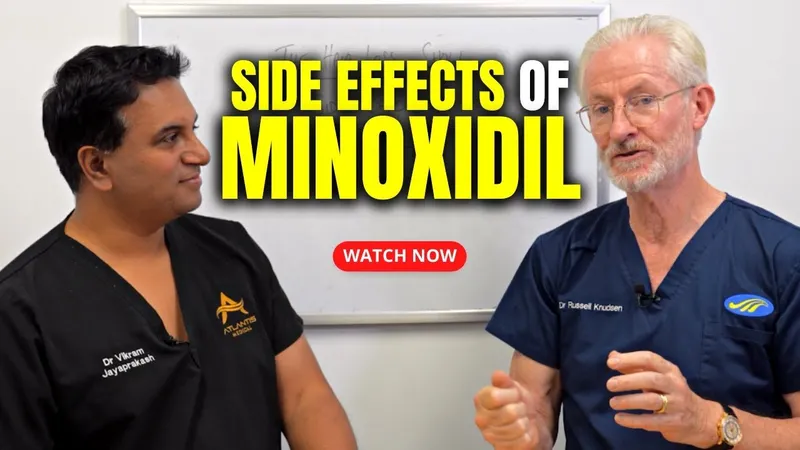
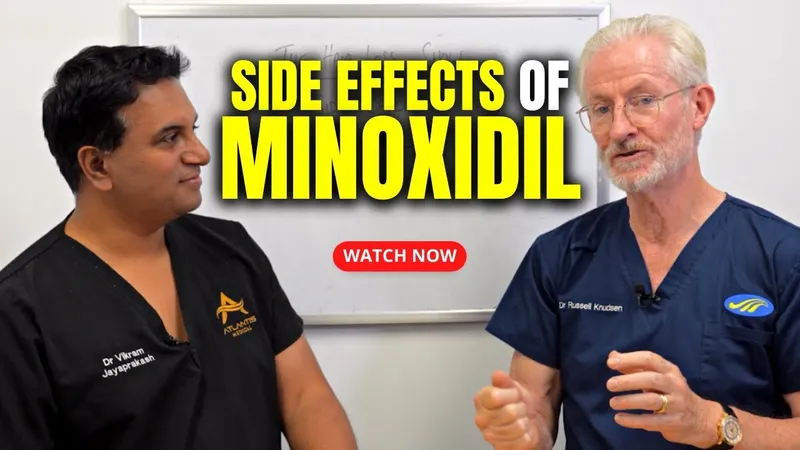
Minoxidil, a popular treatment for hair loss, is widely used by individuals seeking to stimulate hair growth. However, like any topical medication, it can sometimes cause side effects, including skin reactions. One of the potential side effects that users might experience is the development of rashes. Understanding the relationship between Minoxidil and skin rashes is essential for users to manage and mitigate any adverse reactions effectively. The primary ingredient in Minoxidil is known to stimulate blood flow to the hair follicles, but this increased circulation can occasionally lead to skin irritation. The most common form of irritation is contact dermatitis, which may present as a rash. This rash could appear as redness, itching, or even flaking on the area where the product is applied. Users who have sensitive skin or a history of allergic reactions may be more prone to experiencing these symptoms. Possible Triggers and Management Several factors can contribute to the likelihood of developing a rash from Minoxidil. For instance, using a higher concentration than recommended or applying the product more frequently than advised can increase the risk of irritation. Additionally, combining Minoxidil with other hair or skin products without consulting a healthcare professional might exacerbate skin sensitivity. If a rash occurs, it is crucial to discontinue use immediately and seek advice from a dermatologist or healthcare provider to determine the appropriate course of action. While rashes from Minoxidil are not extremely common, they are a possibility that users should be aware of. By following the recommended usage guidelines and monitoring the skins reaction, individuals can minimize the risk of developing adverse effects.Identifying and Managing Rashes Caused by Minoxidil
Minoxidil is a widely used treatment for hair loss, but it can sometimes cause skin reactions, including rashes. Identifying a rash caused by minoxidil is crucial for managing it effectively. Typically, these rashes may appear as red, itchy patches on the scalp where the product is applied. Some individuals might also experience dryness or flaking, which can be mistaken for dandruff. It is important to monitor the affected area closely; if the rash spreads beyond the application site or becomes increasingly uncomfortable, it may be an indication of a more severe reaction. Once a rash is identified, managing the symptoms effectively is key to continuing the use of minoxidil safely. One of the first steps is to ensure that the product is being used correctly, as improper application can exacerbate skin irritation. Reducing the frequency of application or switching to a lower concentration may help alleviate symptoms. Over-the-counter hydrocortisone creams can also be beneficial in reducing inflammation and itching. However, it is advisable to consult a healthcare professional before starting any new treatment to ensure it is safe and appropriate for your situation. In addition to modifying application techniques, there are preventive measures that can help minimize the risk of developing a rash from minoxidil. Using a gentle shampoo and conditioner can help maintain scalp health and prevent irritation. Additionally, performing a patch test before starting minoxidil treatment can identify potential allergies to the product. If you have a history of sensitive skin or allergies, discussing alternative treatments with a dermatologist may be beneficial. By taking these precautions, you can manage and potentially prevent rashes, allowing you to continue benefiting from minoxidil’s hair growth-promoting properties.Alternatives to Minoxidil: Exploring Other Hair Growth Solutions
For those seeking hair growth solutions beyond Minoxidil, a variety of options are available that cater to different needs and preferences. One popular alternative is Finasteride, an oral medication that works by inhibiting the conversion of testosterone to dihydrotestosterone (DHT), a hormone linked to hair loss. While effective, Finasteride is typically recommended for men due to its hormonal effects. Its crucial to consult with a healthcare provider before starting Finasteride to understand potential side effects and suitability. Another non-pharmaceutical option is Low-Level Laser Therapy (LLLT), which utilizes laser devices to stimulate hair follicles and promote hair growth. This method is painless and can be done at home using FDA-cleared devices like laser combs and caps. LLLT is often considered a safe alternative for both men and women, making it an appealing choice for those seeking non-invasive treatments. Natural remedies also offer potential benefits for hair growth. Essential oils, such as rosemary and peppermint, are believed to improve circulation to the scalp and encourage hair growth. These oils can be diluted with carrier oils and massaged into the scalp regularly. Additionally, dietary supplements containing biotin, zinc, and saw palmetto are often recommended to support healthy hair growth from within. While these natural solutions may not offer the same efficacy as pharmaceutical options, they are favored for their minimal side effects and holistic approach.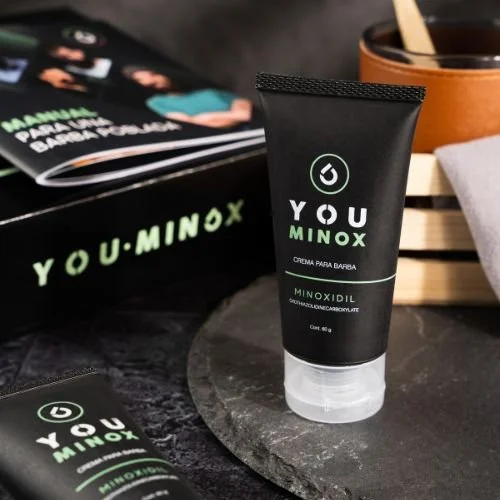
Official Sponsor • YouMinox.com
Looking for Gentle, Cream-Based Minoxidil for Hair & Beard?
This guide is proudly brought to you by You Minox, founded by Charlie Lingan. Discover why over 600,000+ followers trust You Minox cream formulations to stimulate thicker beard and scalp growth without harsh alcohol dryness.
🛒 Official Men's Grooming Picks • Available on Amazon.com
🛡️ Men’s Scalp Soothing, Barrier Repair & Precision Dosing Essentials
Eliminate flaking, prevent over-application, and protect your skin barrier while your follicles transition through the growth cycle.
🛡️ #1 Dermatologist-Recommended Shampoo
Nizoral Anti-Dandruff & Scalp Care Shampoo with 1% Ketoconazole
Essential clinical scalp wash for men using Minoxidil: clears propylene-glycol flaking, calms itching, and helps disrupt localized follicular DHT.
- ✓Contains 1% Ketoconazole clinically proven to control scalp flaking, scaling, and itching
- ✓Used 2–3 times weekly alongside Minoxidil as part of the "Big 3" hair restoration protocol
- ✓Deeply cleanses sebum and residue so topical treatments absorb cleanly into follicles
★★★★★ 4.7/5 (92,400+)✓ Prime
Check Price on Amazon↗🧴 Best Barrier Repair Moisturizer
Men’s Daily Ceramide & Hyaluronic Acid Facial Moisturizer (Oil-Free, Non-Comedogenic)
Restore skin hydration 30 minutes after applying Minoxidil without clogging pores or blocking follicular absorption.
- ✓3 essential ceramides + hyaluronic acid repair dry, tight skin caused by topical solutions
- ✓Lightweight, non-greasy matte finish engineered for men’s facial skin and jawline
- ✓Fragrance-free & non-comedogenic: zero DHT-blocking harshness for beard growers
★★★★★ 4.8/5 (67,500+)✓ Prime
Check Price on Amazon↗🎯 Zero-Waste 1 mL Root Applicator
Precision Scalp Liquid Applicator Comb & Graduated 1 mL Dropper Bottle for Men
Deliver topical hair solutions directly onto the scalp skin instead of wasting medication on your hair strands or fingers.
- ✓Rolling ball-tooth dispensing pins release liquid only when pressed against the scalp
- ✓Clear graduated mL measurement scale ensures an exact 1 mL clinical dose every time
- ✓Prevents messy forehead dripping and keeps hands clean during morning and night applications
★★★★★ 4.6/5 (5,400+)✓ Prime
View Applicator on Amazon↗* As an Amazon Associate, Minoxidil-USA.com earns from qualifying purchases at no additional cost to you (minoxidilusa-20).
Advertisement
🇺🇸Most Searched Minoxidil Clinical Guides in the USA
Essential Reading→How to Treat Minoxidil-Induced Heart Rate Changes: Expert Tips and Solutions→Is It Okay to Use Expired Minoxidil? Understanding the Risks and Effects→Comprehensive Full Review of Kirkland Minoxidil: Effectiveness, Usage, and Results→How to Combine Minoxidil with Other Products: Key Mistakes to Avoid→Minoxidil vs Scalp Massage: Which Hair Growth Method is Better?→Can You Combine Minoxidil vs Castor Oil: A Comprehensive Guide