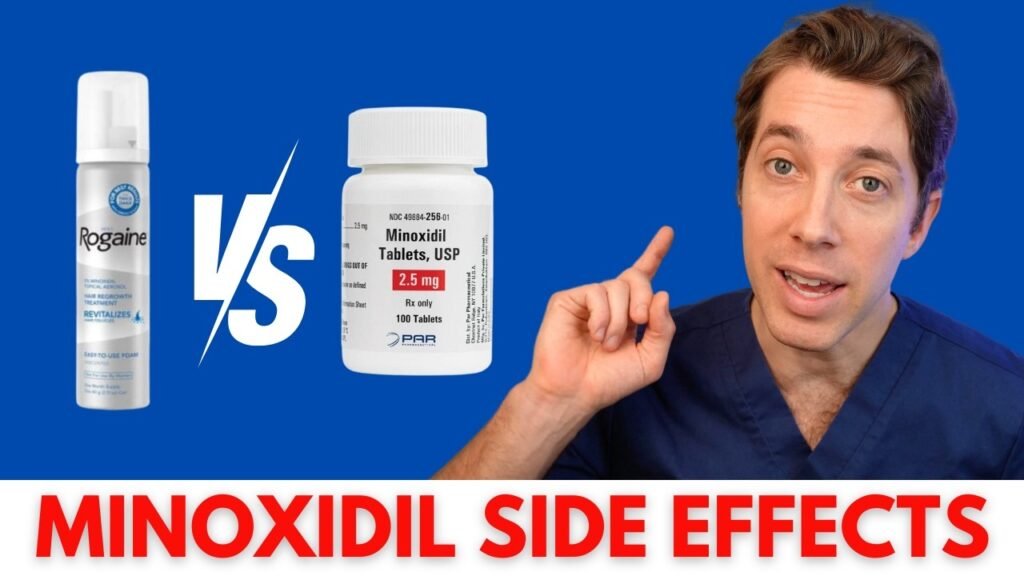
Understanding Minoxidil: Is It Safe for Everyone?
Minoxidil is a popular over-the-counter medication primarily used to treat hair loss and promote hair growth. It is commonly found in topical formulations and is widely recognized under brand names like Rogaine. Originally developed as an oral medication for high blood pressure, its hair growth side effects led to its topical use for treating androgenetic alopecia, commonly known as male or female pattern baldness. While minoxidil is generally considered safe for most people, its suitability can vary based on individual health conditions and the presence of specific contraindications.
Who Should Avoid Minoxidil?
While minoxidil is safe for many users, certain individuals should exercise caution or avoid it altogether. Pregnant or breastfeeding women are generally advised against using minoxidil, as its effects on fetal development and breast milk are not well-studied. Additionally, people with underlying scalp conditions, such as psoriasis or severe eczema, should consult with a healthcare provider before starting treatment, as minoxidil can exacerbate these conditions. Those with known hypersensitivity to minoxidil or any of its components should also refrain from use to prevent allergic reactions.
Potential Side Effects and Considerations
Although minoxidil is effective for many, it is not without potential side effects. Some users may experience scalp irritation, itching, or dryness. In rare cases, systemic absorption can occur, leading to symptoms like dizziness, rapid heart rate, or swelling of the hands and feet. Its crucial for individuals with a history of heart disease or blood pressure issues to discuss minoxidil use with their healthcare provider. Regular monitoring and adherence to recommended dosages can help mitigate risks and enhance safety for those using the treatment.
Top Signs That Minoxidil Might Not Be Safe for You
When considering the use of minoxidil, its crucial to be aware of the potential signs that it might not be safe for you. One of the primary indicators is the onset of severe scalp irritation. While mild irritation can be common, intense itching, redness, or burning sensations may suggest an adverse reaction. If these symptoms persist, its advisable to discontinue use and consult with a healthcare professional to ensure there are no underlying issues that could be exacerbated by continued application.
Systemic Side Effects
Another red flag to watch for is the occurrence of systemic side effects, which may indicate that minoxidil is entering your bloodstream at higher levels than intended. Symptoms such as dizziness, rapid heartbeat, or unexplained weight gain can be serious and warrant immediate medical attention. These signs suggest that your body may not be metabolizing the product as expected, potentially leading to more significant health concerns.
Allergic Reactions
Allergic reactions are also a crucial sign that minoxidil might not be suitable for you. These can manifest as hives, difficulty breathing, or swelling of the face, lips, or tongue. Such symptoms require urgent medical intervention as they can escalate quickly. Its important to conduct a patch test before fully committing to minoxidil use to identify any potential allergies early on.
Common Side Effects of Minoxidil: What to Watch Out For
Minoxidil, widely known for its role in promoting hair growth, is a popular treatment for hair loss. However, like many medications, it can have side effects that users should be aware of. While it is generally well-tolerated, understanding the potential side effects can help you manage them effectively and decide whether this treatment is suitable for you. Some individuals may experience mild to moderate reactions, and knowing what to expect can ease concerns and prompt timely consultations with healthcare providers if necessary.
One of the most frequently reported side effects of Minoxidil is scalp irritation. This can manifest as dryness, itching, or redness where the product is applied. These symptoms are typically mild and may subside as your scalp adjusts to the treatment. To minimize irritation, ensure you are using the product as directed and avoid applying it to broken or irritated skin. If scalp irritation persists, consider consulting with a healthcare professional for advice on how to mitigate these effects or explore alternative treatments.
Increased hair shedding is another side effect that some users experience when they first start using Minoxidil. Although it may seem counterintuitive, this phenomenon, known as «shedding,» is usually temporary and is considered a normal part of the hair growth cycle. As Minoxidil stimulates hair follicles, it can cause older hairs to fall out, making way for new growth. This shedding phase typically lasts a few weeks, after which users often notice an improvement in hair density and growth. However, if excessive shedding continues beyond a few weeks, it is advisable to seek medical advice to rule out other underlying causes.
Other less common side effects include unwanted facial hair growth, particularly in women, and dizziness or lightheadedness. Unwanted hair growth can occur if the medication inadvertently comes into contact with other areas of the body. To prevent this, apply Minoxidil carefully and wash your hands thoroughly after each application. If you experience dizziness, it might be linked to the systemic absorption of the product, although this is rare. Should you encounter any severe or persistent side effects, discontinue use and consult a healthcare provider to ensure your safety and well-being.
How to Use Minoxidil Safely: Tips and Precautions
Using Minoxidil effectively and safely requires understanding the proper application techniques and adhering to specific precautions. Begin by ensuring your scalp is clean and dry before applying the product. This ensures that the medication can penetrate effectively. Generally, Minoxidil is applied twice daily, with a gap of about 12 hours between applications. Use the recommended amount as indicated on the packaging or by your healthcare provider. Overuse will not accelerate hair growth and could potentially lead to side effects.
Application Tips
To apply Minoxidil, use the dropper or spray provided to distribute the solution evenly across the affected area. For foam formulations, dispense the product onto your fingers and massage it gently into your scalp. It’s important to wash your hands thoroughly after application to avoid inadvertently spreading the product to other areas, which could cause unwanted hair growth. Allow the solution to dry completely before using other hair products or lying down to prevent the medication from transferring to your pillow or other surfaces.
Precautions to Consider
Before starting Minoxidil, consult with a healthcare professional, especially if you have a history of heart conditions, as Minoxidil can affect blood pressure. Be vigilant for any side effects such as scalp irritation or unwanted facial hair growth, and report these to your doctor. Avoid contact with your eyes, nose, or mouth, and rinse thoroughly with water if accidental contact occurs. Pregnant or breastfeeding women should seek medical advice before using Minoxidil. Lastly, keep the product out of reach of children to prevent accidental ingestion.
Consulting with a Healthcare Professional: When to Seek Advice on Minoxidil Use
When considering the use of Minoxidil for hair regrowth, its crucial to consult with a healthcare professional to ensure its the right choice for your specific needs. A healthcare provider can help determine if Minoxidil is appropriate based on your medical history, current health conditions, and the underlying cause of hair loss. Conditions such as scalp infections, nutritional deficiencies, or hormonal imbalances might require different treatments, making professional guidance invaluable.
Individuals with Pre-existing Medical Conditions
If you have pre-existing medical conditions, such as heart disease or hypertension, seeking medical advice before starting Minoxidil is essential. Minoxidil can affect blood pressure, so a healthcare professional can evaluate any potential risks and suggest suitable alternatives if necessary. Additionally, if you are pregnant, planning to become pregnant, or breastfeeding, discussing Minoxidil use with your doctor is crucial to avoid any potential risks to you or your child.
Identifying Allergic Reactions and Side Effects
Consulting a healthcare provider is also important if you experience any side effects or allergic reactions after starting Minoxidil. Common side effects may include scalp irritation, itching, or redness. However, more severe reactions could necessitate immediate medical attention. A healthcare professional can help identify whether these reactions are related to Minoxidil use and suggest appropriate interventions to manage or mitigate them.