
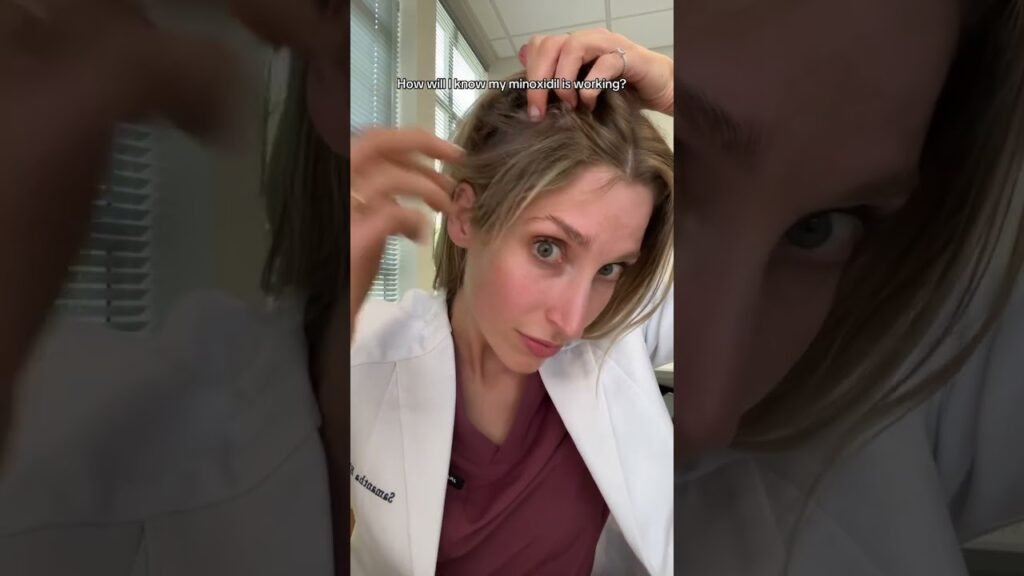
Understanding When Female Minoxidil Results Become Noticeable
For women experiencing hair thinning or hair loss, Minoxidil can be a beacon of hope. However, understanding when the results become noticeable is crucial for managing expectations and maintaining patience throughout the treatment process. Typically, initial signs of improvement can be seen after about 3 to 6 months of consistent use. This timeframe allows the hair follicles to respond to the treatment and begin the regeneration process.
Early Stages of Minoxidil Use
In the first few weeks of using Minoxidil, some women might experience an increase in hair shedding. This can be alarming, but it is a normal part of the hair growth cycle and an indication that the product is working. During this phase, old hairs are being pushed out to make way for new growth. Its important to continue using Minoxidil as directed during this period to achieve the desired results.
Visible Changes and Progress
By the 3 to 4-month mark, many women start to notice visible changes. These changes often include the appearance of fine, baby hairs along the hairline or the areas affected by thinning. As the treatment progresses, these fine hairs may become thicker and more pigmented, blending more naturally with existing hair. Consistency is key, as skipping applications can delay progress and impact the overall effectiveness of the treatment.
The results of Minoxidil can vary based on individual factors such as the extent of hair loss, genetics, and overall health. Its important for users to keep realistic expectations and to understand that not everyone will experience the same results at the same time. Regular consultations with a healthcare professional can help track progress and adjust treatment as necessary.
Factors Influencing the Timeline for Female Minoxidil Results
When it comes to using Minoxidil for hair regrowth, several factors can influence how quickly women may start to see results. One of the primary factors is genetic predisposition. Some individuals naturally respond more rapidly to Minoxidil due to their genetic makeup. Those with a family history of successful Minoxidil use may notice improvements sooner compared to others. Conversely, if hair thinning or loss is primarily due to genetic factors that are less responsive to Minoxidil, the timeline for visible results may be extended.
Another critical factor is the stage of hair loss at the time of starting treatment. Women who begin using Minoxidil during the early stages of hair thinning are likely to see faster results than those who start treatment after significant hair loss has occurred. This is because there are more viable hair follicles available for stimulation, allowing for quicker and more noticeable regrowth. Additionally, the consistency of application plays a vital role. Regular and correct use of Minoxidil, as per the recommended dosage, ensures that the active ingredient effectively reaches the scalp and hair follicles, potentially speeding up the timeline for results.
The overall health and lifestyle of the individual can also significantly impact how quickly Minoxidil results manifest. Factors such as diet, stress levels, and overall scalp health can either accelerate or delay hair regrowth. A balanced diet rich in vitamins and minerals that support hair health, such as biotin, zinc, and iron, can enhance the effectiveness of Minoxidil. Stress management techniques and maintaining a healthy scalp environment through proper hygiene and care can also contribute to a more favorable outcome.
Lastly, the specific formulation and concentration of Minoxidil used can affect the timeline for results. Some women may respond better to a higher concentration, such as the 5% formulation, compared to the standard 2% solution. However, its essential to consult with a healthcare provider to determine the most suitable concentration, as higher concentrations may increase the risk of side effects.
How to Maximize the Effectiveness of Female Minoxidil
Using female minoxidil effectively requires a consistent routine and understanding the best practices for application. To start, its crucial to apply minoxidil to a clean, dry scalp. Ensure your hair and scalp are thoroughly dried after washing, as excess moisture can dilute the solution, reducing its efficacy. Use the recommended dosage, typically 1 ml, twice a day unless directed otherwise by your healthcare provider. Applying more than the advised amount will not enhance results and may increase the risk of side effects.
Incorporate a Healthy Lifestyle
A holistic approach to hair health can significantly boost the effectiveness of female minoxidil. Diet plays a critical role; ensure your meals are rich in vitamins and minerals, particularly those known to support hair health, such as biotin, zinc, and iron. Regular exercise improves blood circulation, including to the scalp, potentially enhancing minoxidils absorption. Additionally, managing stress through mindfulness practices like meditation or yoga can prevent stress-induced hair loss, complementing your treatment regimen.
Monitor and Adjust Your Routine
Keep track of your progress by taking regular photos of your scalp and noting any changes. This can help you and your healthcare provider assess the effectiveness of the treatment. If after several months you notice minimal improvement, consult with a dermatologist. They may recommend adjustments to your routine or suggest combining minoxidil with other treatments for improved results. Remember, patience and persistence are key, as it often takes several months to see noticeable changes with minoxidil.
Common Expectations: When Should Female Minoxidil Results Appear?
When embarking on the journey to address hair thinning with Minoxidil, many women are eager to know when they might begin to see noticeable results. Understanding the typical timeline for female Minoxidil results can help manage expectations and encourage adherence to the treatment regimen. Generally, patience is key, as results can vary based on individual circumstances.
Initial Phases and Changes
During the first few weeks of using Minoxidil, some women might experience an increase in hair shedding. While this may seem counterintuitive, it is actually a sign that the product is starting to work. This shedding phase occurs as Minoxidil accelerates the natural hair cycle, pushing out weaker hairs to make way for new, stronger growth. Its crucial not to be discouraged by this initial shedding, as it typically subsides within the first month.
Visible Growth and Progress
Most women begin to notice visible improvements in hair density and thickness around the three to six-month mark. New hair growth may initially appear as soft, fine «baby hairs,» which gradually thicken over time. Consistent application as directed is vital to achieving the best results, as skipping treatments can delay progress. Its important to remember that results can vary, and some women may see changes sooner or later than this average timeframe.
Long-term Expectations
For sustained results, continuous use of Minoxidil is essential. After the initial growth phase, maintaining a regular application routine helps to preserve the new hair growth and prevent further thinning. Its also advisable to monitor progress by taking monthly photos to track changes objectively. Consulting with a healthcare professional can provide additional insights and guidance tailored to individual hair growth patterns and treatment responses.
Real-Life Experiences: When Women Typically See Minoxidil Results
Women using minoxidil for hair regrowth often report varied timelines for when they start noticing changes. While individual experiences can differ, many women begin to see the initial signs of improvement between three to six months after starting the treatment. During this period, users might notice a reduction in hair shedding and the appearance of fine baby hairs in areas where thinning was most prominent. Its essential to maintain consistent application as prescribed to achieve optimal results.
First Signs of Progress
In the early stages, women may observe subtle changes such as decreased hair fall and slight thickening of existing strands. By the third month, some users report seeing small, soft hairs, known as vellus hairs, which are typically lighter and less pigmented. These initial signs can be encouraging, motivating users to continue with their treatment regimen. However, patience is key, as the transformation from vellus hairs to more terminal, fully pigmented hairs can take additional months.
Significant Improvement
By the six-month mark, many women experience more noticeable results, including increased hair density and coverage. Its at this stage that the transition from thin, wispy hairs to stronger, more visible strands becomes apparent. Some users also report an improvement in hair texture and volume, contributing to a fuller appearance. Its important to remember that individual results can vary based on factors such as the extent of hair loss and consistency of use. Regular consultation with a healthcare provider can provide personalized insights and adjustments to treatment if necessary.

