
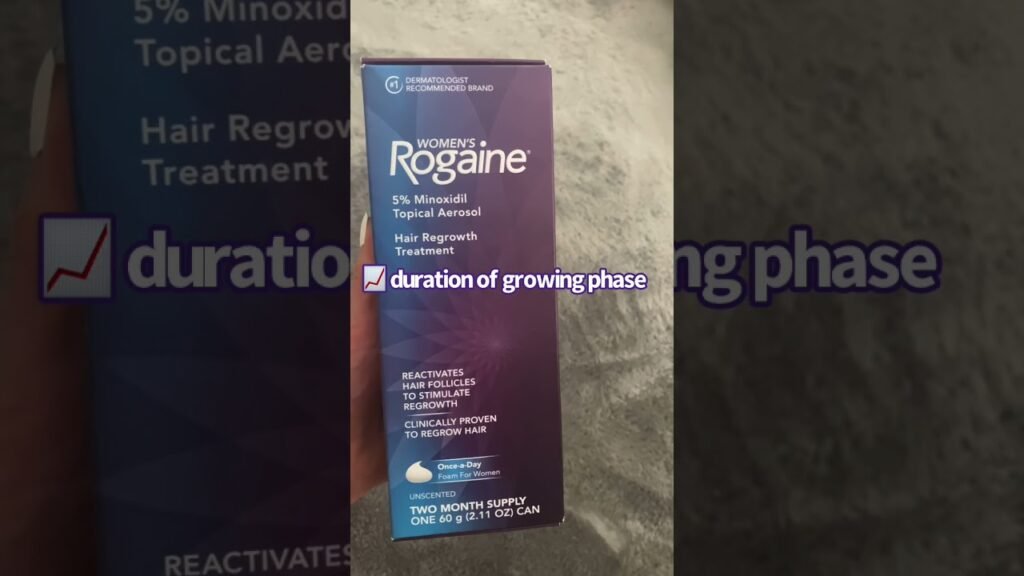
Understanding Minoxidil for Female Pattern Baldness
Minoxidil is a widely recognized treatment for female pattern baldness, a common form of hair loss in women characterized by thinning hair on the crown and frontal scalp. Initially developed as an oral medication for high blood pressure, Minoxidil was found to have an intriguing side effect: it promoted hair growth. This discovery led to the development of topical formulations specifically designed to combat hair loss. When applied directly to the scalp, Minoxidil works by prolonging the anagen phase of the hair growth cycle, which is the active growth phase, thereby helping to increase hair density and thickness.
How Does Minoxidil Work?
Minoxidils exact mechanism for promoting hair growth is not entirely understood, but it is believed to stimulate blood flow to hair follicles, providing them with more nutrients and oxygen. This increased circulation helps to revitalize shrunken hair follicles, allowing them to enlarge and produce thicker strands of hair. Available in different concentrations, such as 2% and 5%, Minoxidil is typically applied twice daily for optimal results. Many users start to notice improvement after four to six months of consistent use, although individual responses can vary. Its important to note that discontinuing Minoxidil can lead to a reversal of its effects, underscoring the need for ongoing application to maintain results.
Considerations and Potential Side Effects
While Minoxidil is generally well-tolerated, some users may experience side effects. These can include scalp irritation, dryness, or flaking. In rare cases, users may notice unwanted facial hair growth or changes in hair color and texture. It is crucial for individuals to follow the recommended application guidelines and consult with a healthcare professional if they experience any adverse reactions. Moreover, women who are pregnant or breastfeeding should seek medical advice before starting Minoxidil. Despite these considerations, Minoxidil remains a popular choice for women seeking to address female pattern baldness, offering a scientifically-backed option for those looking to improve hair density and appearance.
How Minoxidil Works for Female Hair Loss
Minoxidil is a topical treatment that has been widely recognized for its effectiveness in combating female hair loss. Originally developed as a medication for high blood pressure, its hair growth side effect led to its formulation as a hair loss treatment. When applied directly to the scalp, Minoxidil works by stimulating hair follicles and increasing blood flow, which helps in revitalizing shrunken hair follicles. This process is particularly beneficial for women experiencing androgenetic alopecia, a common form of hair loss characterized by thinning hair and a receding hairline.
Enhancing Hair Follicle Activity
The primary mechanism by which Minoxidil aids in hair regrowth is through the prolongation of the anagen phase, or the active growth phase of hair follicles. By extending this phase, more follicles remain active, resulting in increased hair density and thickness. Additionally, Minoxidil is believed to open potassium channels, which enhances the delivery of oxygen, nutrients, and blood to the hair follicles. This biochemical action not only promotes new hair growth but also strengthens existing hair strands, making them less susceptible to breakage and shedding.
Application and Results
For optimal results, Minoxidil should be applied consistently, usually twice a day, directly to the scalp in the areas where thinning is most noticeable. It is important for users to understand that patience is key, as visible improvements typically begin to appear after three to six months of regular use. Some women may initially experience an increase in hair shedding, but this is often a temporary phase that precedes new hair growth. Regular use of Minoxidil can lead to significant improvements in hair volume and coverage, helping women regain confidence and reduce the psychological impacts of hair loss.
Potential Side Effects of Minoxidil in Women
Minoxidil is a popular topical treatment used to promote hair growth in women experiencing hair thinning or loss. While many women see positive results, its important to be aware of potential side effects. One of the most commonly reported side effects is scalp irritation. Women may experience itching, redness, or a burning sensation where the solution is applied. This can be uncomfortable and may require discontinuation of the product or consultation with a healthcare provider.
Another potential side effect of minoxidil in women is unwanted facial hair growth. Some women may notice an increase in facial hair, particularly if the solution inadvertently spreads to areas other than the scalp. This side effect is usually reversible upon discontinuation of the product, but it can be distressing for those affected. Hypertrichosis, or excessive hair growth, can occur not only on the face but also on other parts of the body, though this is less common.
Systemic Effects and Allergic Reactions
Although rare, some women may experience systemic effects from topical minoxidil use. Symptoms such as dizziness, headache, or rapid heartbeat can occur if the solution is absorbed into the bloodstream. Women with pre-existing heart conditions should use minoxidil with caution and under medical supervision. Additionally, allergic reactions, though uncommon, can manifest as a rash or hives, necessitating immediate medical attention. Its crucial for users to conduct a patch test before fully incorporating minoxidil into their hair care routine to minimize the risk of allergic reactions.
Expected Results When Using Minoxidil for Female Pattern Baldness
When using Minoxidil for female pattern baldness, individuals can typically anticipate a gradual improvement in hair density and thickness. Minoxidil, a topical treatment, works by stimulating hair follicles and prolonging the anagen phase, which is the active growth phase of hair. Results vary from person to person, but many women start to notice visible changes within three to six months of consistent use. Initially, users may experience increased hair shedding, which is a common response as new hair growth pushes out old hairs. However, this phase is usually temporary and is followed by the growth of stronger, healthier strands.
An important expectation when using Minoxidil is understanding that it requires ongoing commitment. Continuous application is necessary to maintain hair growth, as discontinuing the treatment will likely result in a gradual return to the previous state of hair thinning. For optimal results, it is recommended to apply Minoxidil twice daily to the affected areas of the scalp. While some women may experience significant hair regrowth, others might notice only slight improvements. Its essential to have realistic expectations and to consider that Minoxidil is more effective at slowing down hair loss rather than completely reversing it.
In terms of side effects, Minoxidil is generally well-tolerated, but some users may experience mild scalp irritation or dryness. It is important to follow the product instructions carefully to minimize potential adverse effects. Consulting with a healthcare provider can provide additional guidance tailored to individual needs and conditions. Additionally, combining Minoxidil with other treatments, such as low-level laser therapy or nutritional supplements, may enhance results for some users. Understanding these expected outcomes can help individuals make informed decisions about incorporating Minoxidil into their hair care regimen.
Alternatives to Minoxidil for Female Hair Loss
For women experiencing hair loss, Minoxidil is a well-known treatment option. However, it’s not the only solution available. Many women seek alternatives due to side effects or personal preferences. One popular alternative is natural oils such as rosemary and peppermint oil. These oils are believed to stimulate blood circulation in the scalp, potentially promoting hair growth. While scientific evidence is still emerging, anecdotal reports suggest that regular scalp massages with these oils can help improve hair health.
Another promising alternative is low-level laser therapy (LLLT). This non-invasive treatment uses lasers to stimulate hair follicles, potentially leading to increased hair density and reduced shedding. Devices such as laser combs and caps are designed for at-home use and have gained popularity due to their convenience. Although LLLT may not work for everyone, studies have shown it can be effective for some women with androgenetic alopecia, offering a drug-free option for hair regrowth.
Dietary changes and nutritional supplements also play a crucial role in hair health. A diet rich in vitamins and minerals such as iron, zinc, and biotin can support hair growth. Supplements specifically formulated for hair health, like biotin or marine collagen, are available and can be beneficial for women who may not get enough nutrients from their diet alone. Its essential to consult with a healthcare provider before starting any supplement regimen to ensure it aligns with individual health needs.

