
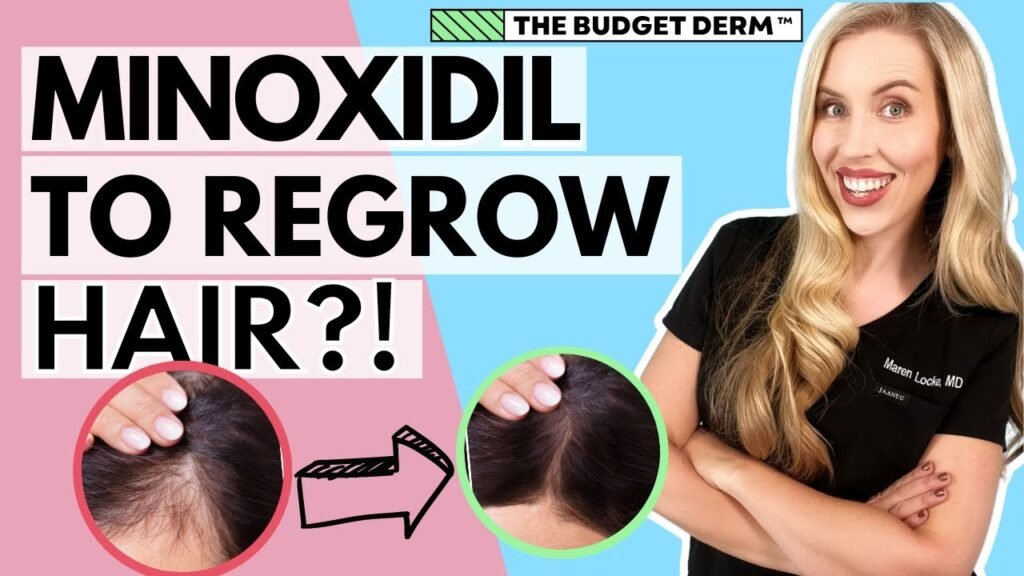
Understanding Minoxidil: A Key Solution for Thinning Hair in Women
Minoxidil has emerged as a pivotal treatment for women experiencing thinning hair, offering a scientifically backed solution to this common issue. Originally developed as a medication for high blood pressure, its hair regrowth properties were discovered as a serendipitous side effect, leading to its widespread use in treating hair loss. For women, minoxidil is often recommended in a 2% or 5% topical solution, applied directly to the scalp. This treatment works by stimulating hair follicles, prolonging the growth phase of hair, and ultimately increasing hair density.
How Minoxidil Works
Minoxidils effectiveness lies in its ability to enhance blood flow to the scalp, which nourishes hair follicles and revitalizes dormant ones. By opening potassium channels in the cells, minoxidil promotes the dilation of blood vessels, improving nutrient and oxygen delivery to the hair follicles. This increased circulation helps to reactivate shrinking hair follicles, allowing them to return to a normal size and produce thicker strands. Women using minoxidil often notice an improvement in hair texture and a reduction in hair shedding after consistent use over several months.
Application and Considerations
For optimal results, women should apply minoxidil directly to the affected areas of the scalp twice daily. Consistency is key, as discontinuation of the treatment may lead to a reversal of benefits. While generally well-tolerated, some users might experience side effects such as scalp irritation or unwanted facial hair growth. Its essential for users to follow the instructions provided and consult with a healthcare professional if any adverse effects occur. Understanding these nuances can help women make informed decisions about incorporating minoxidil into their hair care routine.
How Minoxidil Works: The Science Behind Hair Regrowth
Minoxidil, originally developed as an oral medication for hypertension, was found to have an interesting side effect: it promoted hair growth. This discovery led to its topical formulation, which is now widely used for treating androgenetic alopecia, commonly known as pattern baldness. The exact mechanism of how Minoxidil stimulates hair regrowth is not fully understood, but it is believed to work by prolonging the anagen phase of the hair growth cycle. The anagen phase is the active growth phase of hair follicles, and by extending this phase, Minoxidil allows more time for the hair to grow, resulting in thicker and longer strands.
Vasodilation and Follicle Stimulation
One of the key scientific mechanisms by which Minoxidil promotes hair growth is through vasodilation. As a vasodilator, Minoxidil widens the blood vessels, improving blood flow to the hair follicles. This increased circulation delivers more oxygen and nutrients to the follicles, which can help in revitalizing shrunken hair follicles and promoting new hair growth. Enhanced blood flow is crucial for maintaining healthy hair follicles and supporting the hairs natural growth cycle.
Cellular and Molecular Impact
At the cellular level, Minoxidil is thought to stimulate hair regrowth by activating potassium channels in the cells. This activation can lead to an increase in the proliferation of dermal papilla cells, which play a vital role in hair follicle development and cycling. Moreover, Minoxidil has been observed to increase the production of vascular endothelial growth factor (VEGF), a protein that promotes blood vessel formation. The enhanced VEGF expression contributes to improved microcirculation around the hair follicles, fostering an environment conducive to hair regrowth.
While the precise pathways of Minoxidils action are still being researched, its efficacy in promoting hair regrowth has been demonstrated in numerous clinical trials. Its dual action of improving blood flow and stimulating follicular activity makes it a widely used and effective treatment for those experiencing hair thinning and loss.
Top Treatment Options for Using Minoxidil Effectively
When it comes to using Minoxidil effectively for hair regrowth, one of the most popular options is incorporating it into a daily topical application routine. Minoxidil is available in both liquid and foam forms, with concentrations typically at 2% and 5%. For optimal results, it is crucial to apply the product directly to the scalp twice daily. Ensuring the scalp is clean and dry before application can significantly enhance absorption, thereby improving the efficacy of the treatment. Users should gently massage the product into the scalp, focusing on areas experiencing the most thinning or hair loss.
Another effective treatment option is combining Minoxidil with other hair growth therapies. Many individuals find success by using Minoxidil alongside treatments such as microneedling or low-level laser therapy (LLLT). Microneedling involves using a dermaroller to create tiny punctures in the scalp, which can enhance the absorption of Minoxidil and stimulate hair follicles. Similarly, LLLT uses lasers to invigorate hair follicles and improve hair density. Both methods can complement Minoxidils action, potentially accelerating hair growth and improving overall results.
Lastly, for those seeking a more comprehensive approach, integrating Minoxidil with oral medications like finasteride can be highly effective. While Minoxidil works topically to stimulate hair growth, finasteride targets hair loss from a hormonal perspective by reducing dihydrotestosterone (DHT) levels in the scalp. This dual-action treatment can provide a robust solution for combating hair loss. However, it is essential to consult with a healthcare professional before starting any new medication to ensure it is appropriate for your individual health needs and circumstances.
Comparing Minoxidil Formulations: Foam vs. Liquid for Women
When it comes to treating hair thinning and promoting hair growth in women, Minoxidil is a widely recognized solution. Available in two primary formulations—foam and liquid—each has its own set of benefits and considerations. Understanding the differences between these two options can help women make informed decisions about which formulation may best suit their needs.
The foam formulation of Minoxidil is often praised for its ease of application and quick drying time. Many women prefer the foam because it tends to be less greasy, reducing the risk of leaving residue on hair or clothing. The foam is also alcohol-free, which can be gentler on the scalp, making it a suitable option for those with sensitive skin. Some users find that the foam is easier to apply directly to the scalp, ensuring even distribution without the risk of dripping.
On the other hand, the liquid formulation has its own set of advantages. It often comes with a dropper, allowing for precise application directly to the areas of the scalp where hair thinning is most noticeable. Some women find that the liquid penetrates the scalp more effectively, potentially leading to better absorption. However, its important to note that the liquid version typically contains alcohol, which can sometimes cause dryness or irritation for those with sensitive skin. Despite this, many users appreciate the traditional liquid format for its long-standing reputation and effectiveness in promoting hair growth.
Long-term Benefits and Considerations of Minoxidil Use for Women
Minoxidil has gained popularity among women as an effective treatment for hair loss, offering several long-term benefits. One of the most significant advantages is the promotion of hair regrowth. Many women experience noticeable improvements in hair density and thickness with consistent use over several months. This enhanced hair growth can lead to increased confidence and improved self-esteem, as fuller hair often contributes to a more youthful appearance. Moreover, Minoxidil is known for its ability to maintain hair follicles in the growth phase longer, which can help sustain the results achieved through its application.
Despite these benefits, women considering Minoxidil should be aware of certain long-term considerations. Consistency is key; discontinuing the use of Minoxidil can result in the gradual loss of newly regrown hair. This means that to maintain the benefits, continuous application is necessary. Women should also be mindful of potential side effects, which can include scalp irritation and unwanted facial hair growth. Although these side effects are not common, they should be taken into account when deciding to embark on a long-term treatment plan.
Additionally, women should consult with healthcare professionals before starting Minoxidil to ensure its the right choice for their specific condition. Its essential to understand that results can vary based on individual factors such as the extent of hair loss and underlying health issues. Regular check-ins with a healthcare provider can help monitor progress and address any concerns that may arise during treatment. By staying informed and proactive, women can make the most of Minoxidils long-term benefits while effectively managing any considerations.

