
Understanding Long-term Minoxidil Use in Women
Long-term use of minoxidil in women is often considered for managing conditions like androgenetic alopecia, which is a common cause of hair thinning and loss. Minoxidil is a topical treatment that promotes hair regrowth and slows down hair loss. It is important to understand that the effectiveness of minoxidil can vary among individuals, and it may take several months of consistent application to notice visible results. Women considering long-term use should consult healthcare professionals to ensure the treatment aligns with their specific needs and health conditions.
Benefits and Considerations
When used long-term, minoxidil can help maintain hair density and promote regrowth, offering women a viable solution to combat hair loss. The benefits of continuous use include not only the stabilization of hair loss but also the potential for new hair growth. However, it is crucial to consider potential side effects, such as scalp irritation or unwanted facial hair growth. Monitoring these effects with a healthcare provider can help manage any adverse reactions and adjust the treatment plan as necessary.
Consistency and Commitment
One of the key aspects of long-term minoxidil use is consistency. Women using minoxidil should apply it regularly as directed, usually twice a day, to achieve and maintain desired results. Skipping applications can hinder progress and may lead to the resumption of hair loss. Additionally, long-term users should be aware that discontinuation of the treatment could result in a gradual return to pre-treatment hair conditions. Therefore, commitment to the regimen is essential for those seeking sustained improvements in hair health.
Benefits of Minoxidil for Womens Hair Growth
Minoxidil is a popular over-the-counter treatment known for its efficacy in promoting hair growth in women experiencing hair thinning or loss. One of the primary benefits of using Minoxidil is its ability to stimulate hair follicles, which can lead to increased hair density and thickness. By prolonging the anagen phase, or the active growth phase of hair follicles, Minoxidil helps to produce stronger and healthier hair strands, making it an effective solution for women looking to combat hair thinning and achieve a fuller head of hair.
Improved Scalp Health is another advantage of using Minoxidil. It not only encourages hair growth but also improves the overall health of the scalp. By increasing blood flow to the scalp, Minoxidil ensures that hair follicles receive the necessary nutrients and oxygen required for optimal hair growth. This enhanced circulation can lead to healthier hair follicles and a reduction in hair shedding, further contributing to the overall improvement in hair quality.
For many women, one of the most significant benefits of Minoxidil is its ease of use and accessibility. Available in various formulations, such as foams and topical solutions, Minoxidil can easily be incorporated into daily hair care routines. This convenience, combined with its proven track record in promoting hair growth, makes Minoxidil a preferred choice for women seeking an effective and straightforward solution to address hair loss and thinning.
Potential Side Effects of Prolonged Minoxidil Use
Prolonged use of minoxidil, a popular treatment for hair loss, may lead to several side effects that users should be aware of. While the medication is generally well-tolerated, some individuals might experience adverse reactions over time. One of the most common side effects is scalp irritation, which can manifest as itching, redness, or a burning sensation. This occurs because minoxidil can cause dryness on the scalp, leading to discomfort for some users.
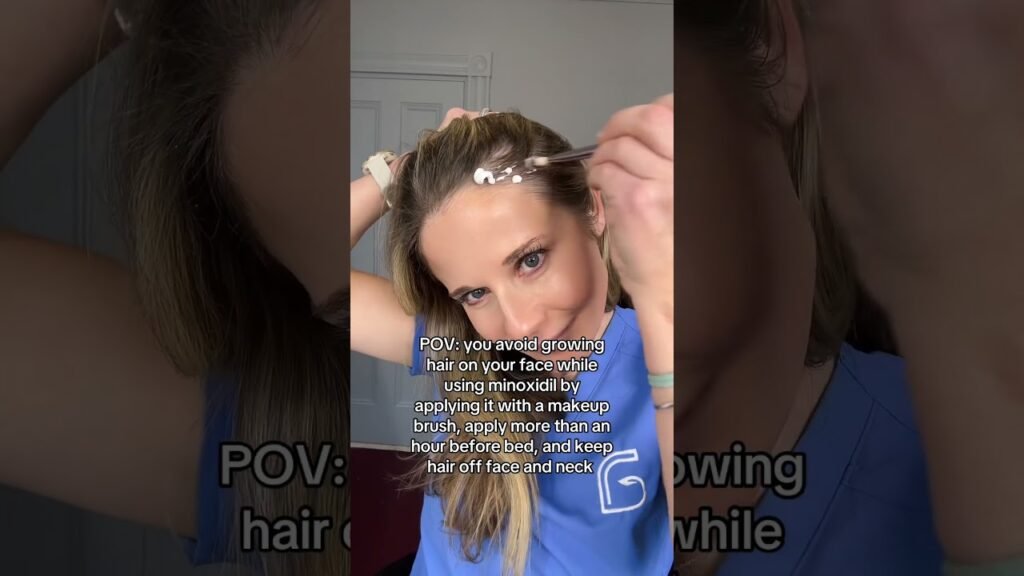
Another potential side effect of long-term minoxidil use is unwanted facial hair growth. Known as hypertrichosis, this condition occurs more frequently in women and may develop due to the medication spreading beyond the intended area of application. Increased hair growth on areas such as the forehead, cheeks, or upper lip can be distressing, prompting some users to reconsider their treatment regimen.
Systemic Side Effects
Although rare, systemic side effects can occur with prolonged use of minoxidil, particularly if it is applied excessively. Some users may experience dizziness, a rapid heartbeat, or chest pain. These symptoms suggest that minoxidil is being absorbed into the bloodstream, potentially leading to cardiovascular issues. Its crucial to adhere strictly to the recommended dosage and application guidelines to minimize these risks. If any of these symptoms are experienced, it is advised to consult a healthcare professional promptly.
Effective Treatment Options for Long-term Minoxidil Users
For individuals who have been using minoxidil for an extended period, exploring additional treatment options can enhance hair regrowth and overall scalp health. While minoxidil is a proven solution for stimulating hair follicles, integrating complementary treatments can optimize results and potentially address any limitations encountered with long-term use. Below, we discuss some effective options that can be incorporated into a long-term minoxidil regimen.
Platelet-Rich Plasma (PRP) Therapy
Platelet-Rich Plasma (PRP) therapy has gained popularity as a synergistic treatment for those on a long-term minoxidil plan. PRP involves extracting a small amount of the patients blood, processing it to concentrate the platelets, and injecting it into the scalp. The growth factors in the platelets can enhance hair density and thickness, complementing the effects of minoxidil. Many long-term users find that PRP sessions, typically administered monthly or quarterly, can provide a significant boost to their hair restoration efforts.
Low-Level Laser Therapy (LLLT)
Another effective option for enhancing the benefits of minoxidil is Low-Level Laser Therapy (LLLT). This non-invasive treatment utilizes laser devices to stimulate hair follicles, increase blood flow, and reduce inflammation. For long-term minoxidil users, incorporating LLLT can help maintain hair growth momentum and potentially improve the overall health of the scalp. Devices such as laser caps or combs are convenient for home use, making them a practical addition to a hair care routine.
Dietary and Nutritional Support
A balanced diet and proper nutrition play a crucial role in hair health, particularly for those committed to a long-term minoxidil regimen. Essential nutrients such as biotin, zinc, iron, and omega-3 fatty acids can support hair growth and scalp health. Long-term minoxidil users may benefit from consulting with a nutritionist to identify any dietary deficiencies and to consider supplements that can bolster their hair treatment plan. Additionally, staying hydrated and maintaining a healthy lifestyle can further enhance the effectiveness of both minoxidil and any supplementary treatments.
Expert Tips for Managing Hair Health with Minoxidil
When incorporating Minoxidil into your hair care routine, consistency is key. Experts recommend applying the treatment twice daily for optimal results. Its important to follow the instructions provided with your specific Minoxidil product, as the application process can vary slightly between brands. Consistent use not only promotes hair growth but also helps maintain the health of existing hair. Ensure that your scalp is clean and dry before application to maximize absorption and effectiveness.
Enhance Efficacy with Scalp Care
Maintaining a healthy scalp is crucial when using Minoxidil. Experts suggest incorporating a gentle scalp massage into your routine to improve blood circulation, which can enhance the absorption of Minoxidil. Use your fingertips to massage the scalp in circular motions for a few minutes daily. Additionally, consider using a mild, sulfate-free shampoo to prevent irritation and dryness, which can compromise the effectiveness of the treatment.
Monitor and Adjust Your Routine
Track your progress regularly and be patient, as results can take several months to become noticeable. Experts advise taking photos or keeping a journal to monitor changes in hair density and growth patterns. If you experience any side effects or if the desired results are not visible after several months, consult with a healthcare professional. They can provide personalized advice or adjust your treatment plan to better suit your needs. Remember, managing hair health with Minoxidil is a gradual process that requires dedication and attention to detail.

