Is It Safe for Women? Understanding Minoxidil Side Effects and Precautions

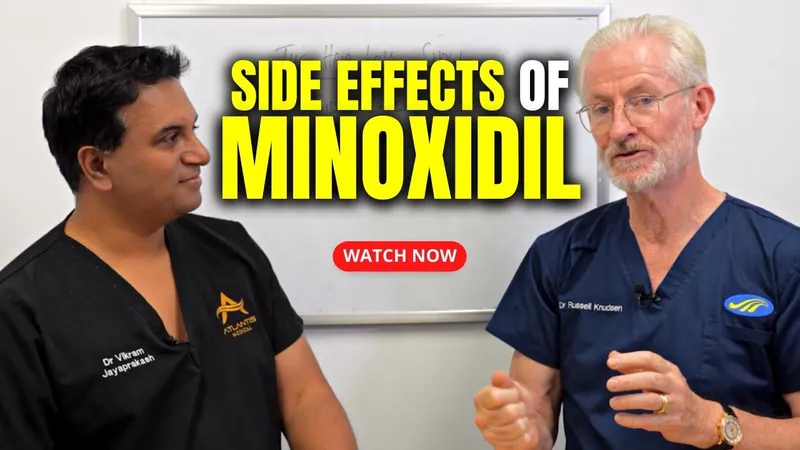
Sponsored Advertisement
Advertisement
Is It Safe for Women to Use Minoxidil?
Minoxidil, a popular treatment for hair loss, is often associated with male pattern baldness, but its use among women is increasing as more seek effective solutions for thinning hair. Is it safe for women to use minoxidil? The short answer is yes, but with some considerations. Minoxidil is approved by the FDA for female use, specifically in a 2% topical solution, which has been shown to be effective for many women experiencing hair thinning. However, it is crucial for women to follow the recommended guidelines to minimize potential side effects.Understanding Potential Side Effects
While minoxidil is generally safe for women, it can cause some side effects. The most common is scalp irritation, which may manifest as dryness, itching, or redness. In rare cases, women may experience unwanted facial hair growth, especially if the solution inadvertently comes into contact with the face. To mitigate these effects, its important for users to apply the product carefully, following the instructions provided. Consulting with a healthcare provider before starting minoxidil can also help ensure it’s the right choice based on individual health conditions and needs.Pregnancy and Breastfeeding Considerations
Women who are pregnant or breastfeeding should exercise caution when considering minoxidil. Although there is limited research on the effects of minoxidil during pregnancy and lactation, healthcare professionals often advise against its use during these periods due to potential risks to the developing fetus or infant. If hair loss becomes a concern during pregnancy or while breastfeeding, discussing alternative treatments with a healthcare provider is recommended to ensure both maternal and child safety.How to Minimize Minoxidil Side Effects in Women
Women using minoxidil for hair growth can sometimes experience side effects, but there are effective strategies to minimize these issues. One of the first steps is to start with a lower concentration of minoxidil, such as 2%, which is specifically designed for women. Gradually increasing the concentration can help the scalp and hair adjust to the treatment without overwhelming the system, potentially reducing the risk of irritation and other side effects.Proper Application Techniques
Proper application techniques play a crucial role in minimizing side effects. It is important to apply minoxidil directly to the scalp, avoiding contact with the face and other areas where hair growth is not desired. Using the dropper or spray provided with the product can ensure precise application. After applying, it is essential to wash hands thoroughly to prevent accidental transfer to other parts of the body. Allow the solution to dry completely before lying down or wearing a hat to avoid spreading the product beyond the intended area.Monitor and Adjust Usage
Regularly monitoring your bodys response to minoxidil can help in adjusting usage to minimize side effects. Pay attention to any signs of irritation, such as redness or itching, and consider reducing the frequency of application if these occur. Consulting with a healthcare professional can provide personalized advice and adjustments to your treatment plan. Additionally, maintaining a healthy scalp by using a gentle, sulfate-free shampoo can support overall scalp health and potentially reduce adverse reactions to minoxidil.Consulting Your Doctor: When to Seek Professional Advice
Understanding when to consult your doctor is crucial for maintaining optimal health and preventing minor issues from escalating into serious conditions. While some health concerns can be managed with over-the-counter medications or home remedies, certain symptoms should prompt you to seek professional medical advice. Knowing when to consult a healthcare professional can make a significant difference in the effectiveness of treatment and your overall well-being.Persistent Symptoms That Warrant Medical Attention
Its important to reach out to your doctor if you experience persistent symptoms that do not improve with self-care. For example, a cough or cold that lasts longer than a couple of weeks, unexplained weight loss, or chronic pain can be indicative of underlying health issues that require professional evaluation. Additionally, if you notice any changes in your body such as lumps, unexplained bruises, or persistent fatigue, its advisable to schedule an appointment with your healthcare provider.Signs of Acute Conditions and Emergencies
Certain symptoms may indicate an acute condition that requires immediate medical attention. These include severe chest pain, difficulty breathing, sudden vision changes, or a high fever that doesn’t respond to medication. In such cases, its crucial to seek emergency care rather than waiting for a scheduled doctors appointment. Other urgent symptoms include sudden weakness or numbness on one side of the body, which could signify a stroke, or severe abdominal pain that could indicate appendicitis or other serious conditions.Regular Health Screenings and Preventive Care
Even in the absence of symptoms, regular check-ups and screenings are essential for early detection and prevention of diseases. Consulting your doctor for routine health screenings, such as blood pressure checks, cholesterol tests, and cancer screenings, can help identify risk factors early and manage them proactively. Preventive care appointments are an opportunity to discuss lifestyle changes, vaccinations, and other health concerns with your doctor, ensuring you stay on top of your health.❓
Frequently Asked Questions (Clinical FAQ)
How Minoxidil Works?
Minoxidils mechanism of action involves the dilation of blood vessels in the scalp, which is believed to improve hair follicle function and stimulate hair growth. By widening the blood vessels, minoxidil enhances the delivery of oxygen, blood, and nutrients to the hair follicles, which can potentially lead to increased hair density and thickness. This process is thought to exte
Official Sponsor • YouMinox.com
Looking for Gentle, Cream-Based Minoxidil for Hair & Beard?
This guide is proudly brought to you by You Minox, founded by Charlie Lingan. Discover why over 600,000+ followers trust You Minox cream formulations to stimulate thicker beard and scalp growth without harsh alcohol dryness.
🛒 Official Men's Grooming Picks • Available on Amazon.com
🏆 Best-Selling Men’s Hair & Scalp Regrowth Essentials on Amazon
Complete your daily hair restoration stack with dermatologist-recommended microneedling, 1% Ketoconazole scalp care, and Biotin + Saw Palmetto.
🏆 #1 Best Companion for Minoxidil
Adjustable Titanium Microneedle Derma Stamp (0.25mm – 1.5mm) for Men
Precision vertical microneedling stamp designed for receding hairlines, crown thinning, and patchy beards without pulling or tangling existing hair.
- ✓140 surgical-grade titanium pins with dial adjustable depth from 0.25mm to 1.5mm
- ✓Boosts follicular blood flow and activates SULT1A1 enzymes for up to 3x better regrowth
- ✓Vertical stamping action prevents micro-tears on the scalp and jawline
★★★★★ 4.7/5 (6,800+)✓ Prime
Check Today's Price on Amazon↗🛡️ #1 Dermatologist-Recommended Shampoo
Nizoral Anti-Dandruff & Scalp Care Shampoo with 1% Ketoconazole
Essential clinical scalp wash for men using Minoxidil: clears propylene-glycol flaking, calms itching, and helps disrupt localized follicular DHT.
- ✓Contains 1% Ketoconazole clinically proven to control scalp flaking, scaling, and itching
- ✓Used 2–3 times weekly alongside Minoxidil as part of the "Big 3" hair restoration protocol
- ✓Deeply cleanses sebum and residue so topical treatments absorb cleanly into follicles
★★★★★ 4.7/5 (92,400+)✓ Prime
Check Price on Amazon↗💊 #1 Internal Follicle Support
Men’s Hair & Beard Growth Vitamins — Biotin 10,000 mcg, Saw Palmetto & Zinc
Support your topical Minoxidil routine from the inside out with clinical-dose keratin builders and natural DHT-blocking nutrients.
- ✓High-potency Biotin (10,000 mcg), Zinc, Vitamin D3, and Folate for stronger keratin synthesis
- ✓Standardized Saw Palmetto berry extract + Horsetail silica to support thick hair density
- ✓Made in the USA in GMP-certified facilities for daily men’s hair and beard wellness
★★★★★ 4.6/5 (15,900+)✓ Prime
View Supplement on Amazon↗* As an Amazon Associate, Minoxidil-USA.com earns from qualifying purchases at no additional cost to you (minoxidilusa-20).
Advertisement
🇺🇸Most Searched Minoxidil Clinical Guides in the USA
Essential Reading→Can I Switch Minoxidil Brands? A Comprehensive Guide to Changing Your Hair Regrowth Solution→Daily Routine: How Often to Apply Minoxidil for Optimal Results→How to Store Minoxidil: Best Practices for Optimal Preservation→Real Experiences with Beard Growth Kit Review: Honest Insights & Results→How to Properly Store Minoxidil: Essential Tips for Maintaining Its Effectiveness→Can I Switch Minoxidil Brands? A Comprehensive Guide on Changing Your Hair Growth Solution