
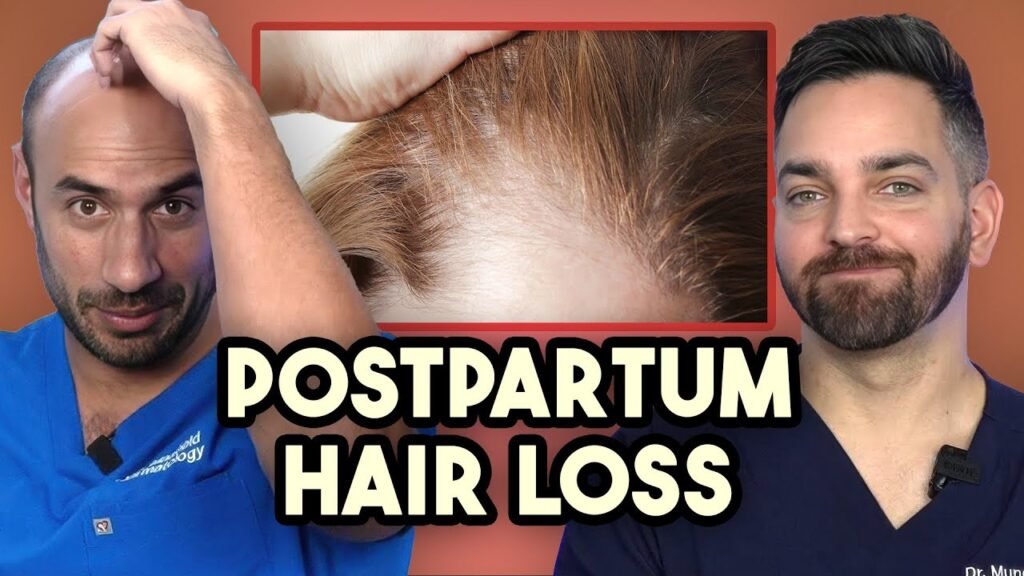
Understanding Postpartum Hair Loss: Causes and Solutions
Postpartum hair loss is a common experience for many new mothers, typically occurring a few months after childbirth. This phenomenon, also known as postpartum alopecia, is primarily caused by hormonal changes. During pregnancy, elevated levels of estrogen keep hair in a growing phase, resulting in thicker and more lustrous locks. However, after giving birth, estrogen levels drop, causing more hair follicles to enter the shedding phase simultaneously. This can lead to noticeable thinning and increased hair loss, often peaking around three to six months postpartum.
Causes of Postpartum Hair Loss
While hormonal fluctuations are the primary cause, other factors can exacerbate postpartum hair loss. Stress, lack of sleep, and nutritional deficiencies, which are common challenges during the postpartum period, can further impact hair health. Additionally, the physical strain of childbirth and recovery can take a toll on the body, contributing to hair shedding. Its important to note that this type of hair loss is usually temporary, and most women will see a return to their normal hair growth cycle within a year.
Solutions for Managing Postpartum Hair Loss
Managing postpartum hair loss involves both lifestyle adjustments and hair care practices. Here are some strategies to help reduce hair shedding and promote healthy regrowth:
- Maintain a balanced diet: Ensure youre getting enough vitamins and minerals, particularly iron, zinc, and vitamin D, which are essential for hair health.
- Gentle hair care: Use a wide-tooth comb to minimize breakage and avoid tight hairstyles that can stress the hair.
- Consider supplements: Consult with a healthcare provider about taking supplements specifically designed to support postpartum hair health.
- Stress management: Engage in relaxation techniques such as yoga or meditation to help manage stress levels, which can positively impact hair health.
What is Minoxidil and How Does It Work for Hair Regrowth?
Minoxidil is a topical medication commonly used to treat hair loss and promote hair regrowth in individuals experiencing thinning hair or androgenetic alopecia, commonly known as male or female pattern baldness. Originally developed as an oral medication for hypertension, it was discovered that one of the side effects was increased hair growth, leading to its formulation as a topical treatment specifically for hair loss. Minoxidil is available over the counter in various strengths, most commonly 2% and 5% solutions, and is applied directly to the scalp.
How Does Minoxidil Stimulate Hair Growth?
The exact mechanism by which Minoxidil promotes hair regrowth is not fully understood, but it is believed to work by prolonging the anagen phase, or the active growth phase, of the hair cycle. By extending this phase, Minoxidil allows hair follicles to produce longer and thicker hair strands. Additionally, Minoxidil is thought to improve blood flow to the hair follicles, supplying them with more nutrients and oxygen, which can also support healthier hair growth.
Application and Effectiveness
Minoxidil is typically applied twice daily to the affected areas of the scalp. Consistent use is crucial for seeing results, which can usually be observed after four to six months of regular application. While Minoxidil is effective for many users, its important to note that results can vary, and not everyone will experience significant hair regrowth. Its most effective in individuals who have recently started experiencing hair loss and have smaller areas of baldness. Users may initially notice increased hair shedding, which is a normal part of the process as older hairs are shed to make way for new growth.
Step-by-Step Hair Care Routine with Minoxidil for New Moms
Welcoming a new baby into the world is an incredible experience, but it can also bring about unexpected changes to your body, including hair loss. For new moms experiencing postpartum hair thinning, integrating Minoxidil into your hair care routine can be a game-changer. Here’s a step-by-step guide to help you navigate this transition smoothly.
Step 1: Prepare Your Scalp
Before applying Minoxidil, its essential to start with a clean scalp. Gently wash your hair using a mild, sulfate-free shampoo to remove any dirt and oil buildup. This ensures that your scalp is primed to absorb the treatment effectively. Avoid using hot water, as it can strip your hair of natural oils. Instead, opt for lukewarm water to maintain moisture balance.
Step 2: Apply Minoxidil
Once your scalp is clean and dry, its time to apply Minoxidil. Using the applicator provided, carefully distribute the recommended amount of the product directly onto the affected areas of your scalp. Its important to follow the instructions on the packaging for optimal results. Massage the solution gently into your scalp with your fingertips to ensure even coverage. Consistency is key, so aim to apply Minoxidil twice daily or as advised by your healthcare provider.
Step 3: Nourish and Protect
After applying Minoxidil, focus on nourishing your hair with a lightweight, leave-in conditioner or serum to maintain hydration and add shine. Look for products enriched with natural oils, such as argan or coconut oil, to strengthen your hair and prevent breakage. Additionally, minimize the use of heat styling tools and harsh chemical treatments to protect your hairs integrity during this sensitive time. Embrace air-drying and gentle styling techniques to keep your hair healthy and resilient.
Tips for Maximizing the Effectiveness of Minoxidil
To achieve the best results with Minoxidil, it’s essential to apply it correctly and consistently. Consistency is key when using Minoxidil, as it often takes several months to see visible results. Applying the product twice daily, as recommended, can significantly enhance its effectiveness. Set a reminder or incorporate it into your daily routine to ensure you don’t miss an application. Additionally, make sure your scalp is completely dry before application to allow the solution to be absorbed properly.
Another crucial tip is to focus on the application technique. Use the dropper or spray provided to apply Minoxidil directly to the areas of your scalp where hair thinning is most noticeable. Gently massage the product into the scalp with your fingertips to enhance absorption. Avoid using too much product, as this won’t necessarily improve results and could cause irritation. If you are using a foam formulation, ensure your hands are cold to prevent the foam from dissolving before it reaches your scalp.
To further maximize the benefits of Minoxidil, consider incorporating complementary hair care practices. Use a gentle shampoo and conditioner to avoid irritation and keep your scalp healthy. Avoid hairstyles that pull on the hair, such as tight ponytails or braids, as they can exacerbate hair loss. Moreover, maintaining a balanced diet rich in vitamins and minerals can support overall hair health. Foods high in vitamins A, C, D, E, and biotin can provide the nutrients your hair needs to grow strong and healthy.
Frequently Asked Questions About Using Minoxidil Postpartum
Is Minoxidil Safe to Use While Breastfeeding?
When considering the use of Minoxidil postpartum, one common concern is whether it is safe for breastfeeding mothers. The consensus among healthcare professionals is that Minoxidil is a topical medication, and the systemic absorption is relatively low. However, there is limited research on its safety during breastfeeding. Consulting with a healthcare provider is crucial before starting any treatment to ensure it aligns with individual health needs and circumstances.
How Soon After Giving Birth Can I Start Using Minoxidil?
Many new mothers are eager to address postpartum hair loss, a common condition that can cause distress. While theres no one-size-fits-all answer, it is generally advisable to wait until after the postpartum shedding phase, which typically peaks around three to six months after delivery. Starting Minoxidil earlier might not be necessary and consulting with a healthcare professional can help determine the best time to begin treatment based on personal health and hair loss severity.
What Results Can I Expect from Using Minoxidil Postpartum?
New mothers often wonder about the effectiveness of Minoxidil for postpartum hair regrowth. While individual results may vary, some users report noticing improvements within three to six months of consistent use. Its important to understand that Minoxidil can help stimulate hair growth, but it may not restore hair to its pre-pregnancy state. Patience and consistent application are key, and discussing expectations with a healthcare provider can provide clarity on what to anticipate from the treatment.

