
Understanding Long-term Minoxidil Use in Women: Does It Really Work?
Minoxidil, a popular topical treatment, is often touted for its efficacy in combating hair loss. While traditionally used by men, more women are turning to minoxidil to address thinning hair and promote regrowth. But does long-term use of minoxidil really work for women? The answer largely depends on individual factors such as the underlying cause of hair loss, adherence to the treatment regimen, and the concentration of minoxidil used.
How Minoxidil Works
Minoxidil is believed to stimulate hair follicles by increasing blood flow to the scalp, thereby encouraging hair growth. For women, especially those experiencing androgenetic alopecia, this can translate into visible improvements in hair density and thickness over time. However, its crucial to understand that minoxidil is not a miracle cure. Results can vary significantly from person to person, and the treatment requires consistent application over an extended period to maintain any progress.
Benefits and Considerations for Long-term Use
Women using minoxidil over the long term may experience sustained hair growth and a reduction in hair thinning. Many find that it helps maintain hair density, making it a viable option for ongoing management of hair loss. However, its essential to weigh these benefits against potential side effects such as scalp irritation or unwanted facial hair growth. Regular consultations with a healthcare provider can help manage these side effects and adjust treatment plans as needed.
For those considering long-term minoxidil use, its important to remain patient and realistic about the results. Hair growth is a slow process, and while some women may see improvements within a few months, others may need to wait longer to notice significant changes. Consistency is key, and discontinuing the use of minoxidil can lead to a reversal of its effects, underscoring the importance of long-term commitment to the treatment.
The Science Behind Minoxidil: How It Works for Womens Hair Growth
Minoxidil is a well-researched topical treatment known for its effectiveness in promoting hair growth, particularly in women experiencing hair thinning or pattern baldness. Originally developed as an oral medication for hypertension, researchers discovered its surprising side effect: stimulating hair growth. This led to the development of topical minoxidil solutions specifically for hair restoration. The science behind minoxidils efficacy lies in its ability to enhance blood circulation and stimulate hair follicles, which are essential components for hair growth.
Vasodilation and Increased Blood Flow
Minoxidil works primarily through its vasodilatory effects, meaning it widens blood vessels. By applying minoxidil to the scalp, it increases blood flow to hair follicles, providing them with more oxygen and nutrients. This enhanced blood circulation revitalizes shrunken hair follicles, often seen in androgenetic alopecia, and extends the anagen phase, or the active growth phase, of hair. As a result, the hair follicles produce thicker, longer strands, addressing the thinning commonly experienced by women.
Stimulation of Hair Follicles
Beyond improving blood flow, minoxidil directly stimulates the hair follicles. It is believed to activate prostaglandin endoperoxide synthase-1, an enzyme that plays a role in hair growth regulation. This stimulation encourages the follicles to transition from the resting phase (telogen) to the growth phase (anagen) more quickly. By prolonging the anagen phase and shortening the telogen phase, minoxidil helps increase hair density and thickness, making it a potent solution for women looking to combat hair loss effectively.
Using minoxidil consistently is key to seeing results, as the effects are gradual and become noticeable over time. Its important to apply it as directed, usually twice a day, to maintain its benefits. While the exact molecular mechanisms of minoxidil are still being explored, its proven ability to improve hair growth through increased blood circulation and follicle stimulation makes it a popular choice among women seeking to enhance their hair health.
Benefits of Long-term Minoxidil Use for Women: What to Expect
For women experiencing hair thinning or loss, long-term use of Minoxidil can offer significant benefits. One of the primary advantages is its proven ability to stimulate hair regrowth. By enhancing blood flow to hair follicles, Minoxidil extends the growth phase of the hair cycle, resulting in thicker and denser hair over time. Many women notice visible improvements in hair volume and coverage after consistent use, making it a popular choice for those seeking to combat hair loss effectively.
Improved Hair Thickness and Density
Long-term Minoxidil use can lead to improved hair thickness and density, which is a major concern for many women dealing with thinning hair. With consistent application, Minoxidil helps to rejuvenate shrunken hair follicles, promoting the growth of stronger and healthier hair strands. This results in a fuller appearance and can boost confidence, allowing women to enjoy more styling options and a more youthful look.
Increased Hair Growth Rate
Another benefit of prolonged Minoxidil use is an increased rate of hair growth. Women using this topical treatment may observe faster hair growth, which can be particularly advantageous for those who have experienced significant hair loss. The increased growth rate not only helps in covering bald patches but also contributes to overall hair health. Over time, this can lead to a noticeable improvement in hair length and volume, providing a more satisfactory and aesthetically pleasing result.
Potential Side Effects of Long-term Minoxidil Use in Women
Minoxidil, commonly used for hair regrowth, is a popular choice among women experiencing hair thinning or loss. However, its long-term use can lead to certain side effects that users should be aware of. One of the most frequently reported side effects is skin irritation. Women using minoxidil over an extended period may experience redness, itching, or dryness on the scalp. These symptoms can vary in intensity and may require adjustments in application frequency or the use of additional moisturizing products to alleviate discomfort.
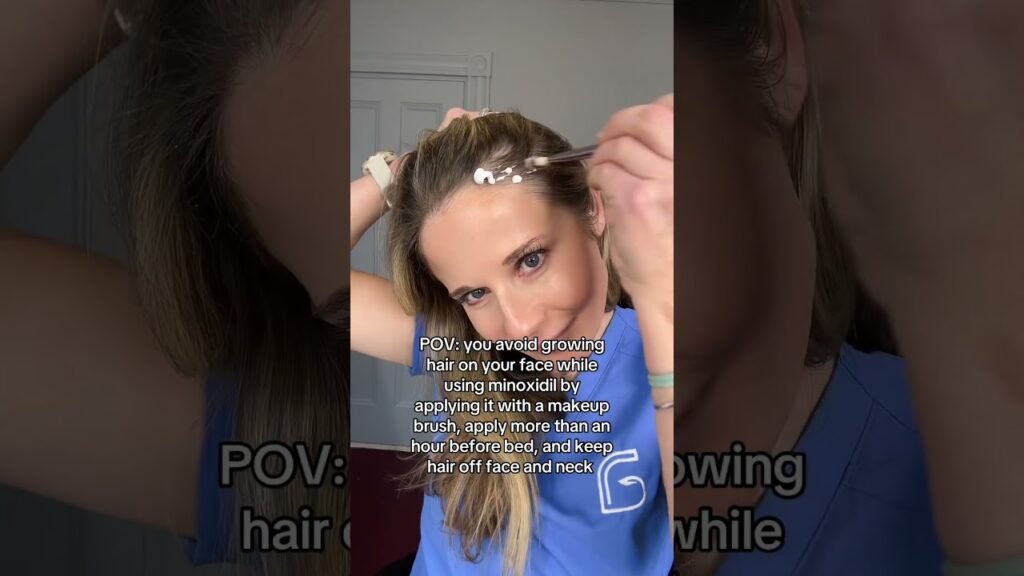
Another potential side effect is the unintended growth of facial hair, also known as hypertrichosis. Although minoxidil is applied to the scalp, it can sometimes affect other areas, leading to the growth of fine hairs on the face, particularly around the cheeks and jawline. This side effect can be distressing for women, prompting some to discontinue use or seek alternative treatments. It is essential for users to monitor changes in hair growth patterns and consult with a healthcare professional if this occurs.
Changes in hair texture is another side effect that some women may experience with long-term minoxidil use. Over time, users might notice that their hair becomes dry or brittle, making it more prone to breakage. This change in hair quality can be managed with the use of nourishing hair care products and regular conditioning treatments. Women using minoxidil should also be cautious about the overall health of their hair and scalp, ensuring they maintain a balanced hair care routine to minimize these effects.
Expert Tips for Effective Long-term Minoxidil Use in Women
When it comes to using minoxidil for hair growth, women need to consider several expert-recommended strategies to ensure optimal results. First and foremost, consistency is key. Experts suggest applying minoxidil at the same time every day to maintain a steady supply of the medication to the hair follicles. This regular application can help in stabilizing hair loss and promoting regrowth over time. Its also crucial to follow the instructions on the packaging or those provided by a healthcare professional to avoid overuse or misuse, which can lead to adverse effects.
Proper Application Techniques
To maximize the effectiveness of minoxidil, proper application techniques are essential. Women should apply the solution directly to the scalp and not the hair, as this ensures that the active ingredient reaches the hair follicles. Using a dropper or spray applicator can help in targeting specific areas of thinning. Experts recommend allowing the solution to dry completely before styling or using other hair products to prevent dilution or interference with absorption. Incorporating this into your daily routine can significantly enhance the treatments effectiveness.
Monitor and Adjust as Needed
Long-term use of minoxidil requires ongoing monitoring and adjustments. Experts advise women to keep track of their progress by taking photos or keeping a hair growth journal. This practice can help in identifying any patterns or changes over time, allowing for timely adjustments in treatment. Consulting with a dermatologist or healthcare provider periodically can provide additional insights and recommendations tailored to individual needs. This proactive approach can help in addressing any side effects and ensuring the continued success of the treatment.

