
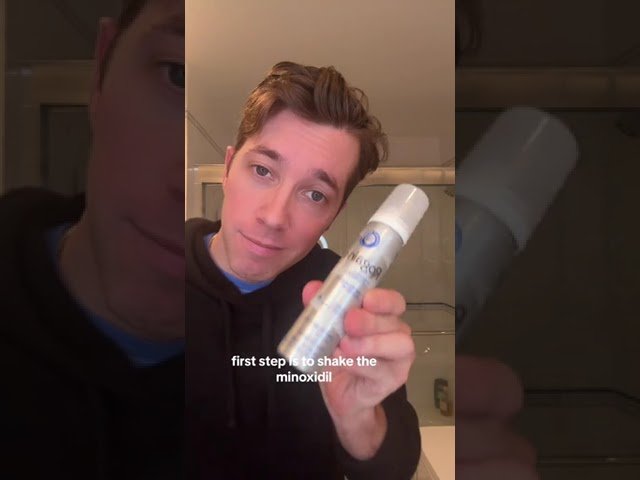
What is Minoxidil and How Does it Work?
Minoxidil is a topical medication commonly used to treat hair loss and promote hair regrowth. Originally developed as an oral medication for high blood pressure, it was discovered that one of its side effects was hair growth, leading to the development of the topical version for treating conditions like androgenetic alopecia, commonly known as male or female pattern baldness. Minoxidil is available in various strengths, typically ranging from 2% to 5%, and is applied directly to the scalp.
How Minoxidil Stimulates Hair Growth
The exact mechanism by which minoxidil promotes hair growth is not fully understood, but it is believed to work by prolonging the anagen phase of the hair growth cycle, which is the active growth phase. By extending this phase, more hair follicles remain in a state conducive to growth. Minoxidil is also thought to enhance blood flow to the hair follicles by dilating blood vessels in the scalp, which may improve the delivery of nutrients and oxygen, further supporting hair regrowth.
Application and Effectiveness of Minoxidil
Minoxidil is typically applied twice daily to the affected areas of the scalp. Consistent application is crucial for optimal results, and it may take several months to notice significant improvements in hair density and coverage. The effectiveness of minoxidil can vary from person to person, with some users experiencing substantial hair regrowth and others seeing minimal change. It is important to note that discontinuation of minoxidil can lead to the loss of any hair that has been regrown, emphasizing the need for ongoing use to maintain results.
Step-by-Step Guide: How to Use Minoxidil for Beginners
For those new to using Minoxidil, understanding the correct application process is crucial to achieving the best results. Begin by ensuring your scalp and hair are clean and dry. This preparation allows for better absorption of the product. If youre using the liquid form, use the provided dropper to measure the recommended amount, usually 1 ml, and apply it directly to the areas experiencing hair thinning. For foam users, dispense about half a capful onto your fingertips and gently massage it into the scalp.
Application Frequency and Timing
Its important to apply Minoxidil consistently for optimal results. Typically, the product should be used twice daily, in the morning and evening. Establishing a routine will help you remember to apply it regularly. Make sure to leave enough time for the product to dry completely before styling your hair or going to bed. This usually takes about 2 to 4 hours, during which you should avoid washing your hair.
Additional Tips for Beginners
While using Minoxidil, avoid using other hair products immediately after application to prevent interference with absorption. Always wash your hands thoroughly after applying the product to avoid unintentional contact with other skin areas. Beginners should also be aware that it might take several months to notice visible improvements, so patience and consistency are key. If you experience any irritation or adverse effects, consult with a healthcare professional for guidance.
Benefits of Using Minoxidil for Hair Growth
Minoxidil is a popular topical treatment recognized for its effectiveness in promoting hair growth and combating hair loss. One of the primary benefits of using minoxidil is its ability to stimulate hair follicles, encouraging them to enter the anagen phase of the hair growth cycle. This leads to increased hair density and thickness, offering a fuller appearance for those experiencing thinning hair. By directly targeting the scalp, minoxidil helps to rejuvenate dormant follicles, which can significantly improve hair volume over time.
Another significant advantage of minoxidil is its accessibility and ease of use. Available over-the-counter in various forms such as foam and liquid, it is a convenient option for many users. Applying minoxidil is a straightforward process that fits seamlessly into daily routines. Users typically apply it directly to the scalp twice a day, making it an unobtrusive addition to their hair care regimen. This simplicity ensures that even those with busy lifestyles can benefit from its hair-enhancing properties without a significant time commitment.
Moreover, minoxidil is a well-researched and FDA-approved treatment for hair loss, which adds to its credibility and reliability. Its efficacy is backed by numerous clinical studies demonstrating its positive impact on hair regrowth in both men and women. For individuals seeking a scientifically supported solution to hair thinning or baldness, minoxidil offers a proven track record of success. By incorporating minoxidil into their hair care routine, users can experience a noticeable improvement in hair growth, leading to increased confidence and satisfaction with their appearance.
Common Side Effects and Precautions When Using Minoxidil
Minoxidil is widely used for promoting hair growth, but like any medication, it comes with its own set of potential side effects and necessary precautions. Understanding these can help users manage their treatment more effectively. Some common side effects of minoxidil include scalp irritation, dryness, and itching. Users might also experience a temporary increase in hair shedding, which typically subsides as the hair growth cycle stabilizes. Its crucial to monitor these reactions and consult a healthcare provider if they persist or worsen.
Possible Side Effects
While minoxidil is generally well-tolerated, some individuals may experience more severe side effects. These can include unwanted facial hair growth, changes in hair color or texture, and allergic reactions such as rashes or difficulty breathing. Although rare, systemic absorption of minoxidil can lead to symptoms like dizziness, rapid heartbeat, or swelling of the hands and feet. If any of these occur, its important to discontinue use and seek medical advice promptly.
Precautions to Consider
Before starting minoxidil, its important to consider certain precautions to ensure safe usage. Pregnant or breastfeeding women should avoid using minoxidil, as its effects on fetal development and infants are not well-studied. Individuals with underlying scalp conditions, such as psoriasis or sunburn, should consult a healthcare professional before use to prevent exacerbation. Additionally, users should apply minoxidil only to dry scalp and hair to enhance absorption and effectiveness. Always adhere to the recommended dosage to minimize the risk of adverse effects.
Frequently Asked Questions About Using Minoxidil
What is Minoxidil and how does it work?
Minoxidil is a topical treatment commonly used to stimulate hair growth and slow balding. It is often found in products like Rogaine and is applied directly to the scalp. Minoxidil works by widening blood vessels, which increases blood flow to hair follicles and extends the growth phase of the hair cycle. This process helps in revitalizing shrunken hair follicles, resulting in the regrowth of thicker hair strands over time.
Who can use Minoxidil?
Minoxidil is suitable for both men and women experiencing hair thinning or hair loss. However, its effectiveness can vary depending on the cause of hair loss and individual response to treatment. Its typically recommended for those with androgenetic alopecia, a common form of hair loss. Before starting Minoxidil, its advisable to consult with a healthcare provider to ensure its the right treatment for your specific condition and to discuss any potential side effects.
What are the common side effects of using Minoxidil?
While Minoxidil is generally well-tolerated, some users may experience side effects. Common side effects include scalp irritation, dryness, and itching. In rare cases, users might notice unwanted facial hair growth or changes in hair color and texture. If you experience severe side effects or signs of an allergic reaction, its important to discontinue use and seek medical advice promptly. Regular monitoring and communication with a healthcare provider can help manage any adverse effects effectively.

