When to Stop Using Minoxidil: Understanding Acne and Side Effects


Sponsored Advertisement
Advertisement
How Minoxidil Can Influence Acne Breakouts
Minoxidil, a popular topical treatment primarily used for hair regrowth, can have various effects on the skin, including the potential to influence acne breakouts. As a vasodilator, minoxidil works by improving blood flow to hair follicles, which can inadvertently affect the surrounding skin areas. For some individuals, this increased circulation can lead to heightened sebum production, a known contributor to acne. Sebum, the oily substance produced by sebaceous glands, can clog pores and create an environment conducive to acne when produced in excess.Increased Sebum Production
The link between minoxidil and acne is often attributed to its potential to increase sebum production. As the hair follicles become more active due to the effects of minoxidil, there may be an unintended stimulation of the sebaceous glands. This can lead to an overproduction of oil on the skins surface, especially in individuals who are already prone to oily skin. The excess oil can mix with dead skin cells, leading to clogged pores and, ultimately, acne breakouts. Users of minoxidil should be mindful of changes in their skins oiliness and consider adjusting their skincare routine accordingly to mitigate these effects.Skin Irritation and Acne
Another factor that can contribute to acne breakouts when using minoxidil is skin irritation. Some users may experience mild irritation, dryness, or redness as a side effect of the treatment. When the skins barrier is compromised, it can become more susceptible to acne-causing bacteria. Minimizing irritation is crucial, and users are advised to follow the application instructions carefully, avoid excessive use, and consider using a moisturizer to maintain skin hydration. Its important to monitor how the skin reacts to minoxidil and make adjustments to the regimen as needed to reduce the risk of acne flare-ups.Alternatives to Minoxidil for Hair Growth
For those seeking alternatives to Minoxidil for hair growth, several options are available that cater to different needs and preferences. One popular alternative is Finasteride, a prescription medication that works by blocking the production of a hormone that contributes to hair loss. Unlike Minoxidil, which is a topical treatment, Finasteride is taken orally and has been shown to be effective for many men experiencing male pattern baldness. However, its essential to consult with a healthcare provider to discuss potential side effects and determine if this medication is appropriate for you. Another non-pharmaceutical option is low-level laser therapy (LLLT). This treatment involves using laser devices to stimulate hair follicles and promote hair growth. LLLT is often administered through handheld devices or caps and is a pain-free option with no known severe side effects. While the results can vary, many users report noticeable improvements in hair thickness and growth after consistent use. Its an excellent choice for individuals looking for a non-invasive alternative to Minoxidil. For those interested in natural solutions, essential oils such as rosemary, peppermint, and lavender have been touted for their potential hair growth benefits. These oils are believed to improve scalp circulation and strengthen hair follicles, potentially leading to healthier hair growth. To use essential oils, mix a few drops with a carrier oil like coconut or jojoba oil and massage it into the scalp regularly. Although research on the efficacy of essential oils for hair growth is limited, they offer a gentle and natural option for those wary of chemical treatments.Consulting a Dermatologist: When to Seek Professional Advice
When it comes to skin health, knowing when to seek professional advice from a dermatologist can be crucial for effective treatment and management. Early consultation is often recommended for persistent skin issues, as dermatologists have the expertise to diagnose and treat a wide range of conditions. If youre experiencing chronic skin problems such as acne, eczema, or psoriasis that do not improve with over-the-counter treatments, its time to consider booking an appointment. These professionals can offer tailored solutions and prescribe medications that are not available without a prescription.Signs That Indicate the Need for Dermatological Expertise
Certain symptoms should not be ignored, as they could indicate underlying health issues that require specialized care. Unusual moles or skin growths, especially those that change in size, shape, or color, warrant immediate attention to rule out skin cancer. Additionally, if you notice sudden or severe hair loss, it could be a sign of an underlying condition that a dermatologist can diagnose. Persistent itching, redness, or skin irritation that doesnt respond to home remedies should also be evaluated by a professional to determine the root cause and appropriate treatment.Dermatological Support for Cosmetic Concerns
Beyond medical conditions, dermatologists also provide valuable advice for cosmetic skin concerns. If youre considering procedures such as Botox, chemical peels, or laser treatments, consulting with a dermatologist can ensure these are performed safely and effectively. They can assess your skin type and recommend the best treatments to achieve your aesthetic goals while minimizing risks. Moreover, dermatologists can guide you in selecting skincare products that suit your specific skin type, helping you maintain healthy and radiant skin.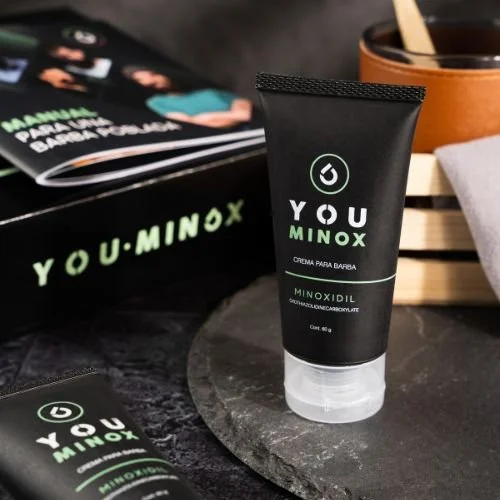
Official Sponsor • YouMinox.com
Looking for Gentle, Cream-Based Minoxidil for Hair & Beard?
This guide is proudly brought to you by You Minox, founded by Charlie Lingan. Discover why over 600,000+ followers trust You Minox cream formulations to stimulate thicker beard and scalp growth without harsh alcohol dryness.
🛒 Official Men's Grooming Picks • Available on Amazon.com
🛡️ Men’s Scalp Soothing, Barrier Repair & Precision Dosing Essentials
Eliminate flaking, prevent over-application, and protect your skin barrier while your follicles transition through the growth cycle.
🛡️ #1 Dermatologist-Recommended Shampoo
Nizoral Anti-Dandruff & Scalp Care Shampoo with 1% Ketoconazole
Essential clinical scalp wash for men using Minoxidil: clears propylene-glycol flaking, calms itching, and helps disrupt localized follicular DHT.
- ✓Contains 1% Ketoconazole clinically proven to control scalp flaking, scaling, and itching
- ✓Used 2–3 times weekly alongside Minoxidil as part of the "Big 3" hair restoration protocol
- ✓Deeply cleanses sebum and residue so topical treatments absorb cleanly into follicles
★★★★★ 4.7/5 (92,400+)✓ Prime
Check Price on Amazon↗🧴 Best Barrier Repair Moisturizer
Men’s Daily Ceramide & Hyaluronic Acid Facial Moisturizer (Oil-Free, Non-Comedogenic)
Restore skin hydration 30 minutes after applying Minoxidil without clogging pores or blocking follicular absorption.
- ✓3 essential ceramides + hyaluronic acid repair dry, tight skin caused by topical solutions
- ✓Lightweight, non-greasy matte finish engineered for men’s facial skin and jawline
- ✓Fragrance-free & non-comedogenic: zero DHT-blocking harshness for beard growers
★★★★★ 4.8/5 (67,500+)✓ Prime
Check Price on Amazon↗🎯 Zero-Waste 1 mL Root Applicator
Precision Scalp Liquid Applicator Comb & Graduated 1 mL Dropper Bottle for Men
Deliver topical hair solutions directly onto the scalp skin instead of wasting medication on your hair strands or fingers.
- ✓Rolling ball-tooth dispensing pins release liquid only when pressed against the scalp
- ✓Clear graduated mL measurement scale ensures an exact 1 mL clinical dose every time
- ✓Prevents messy forehead dripping and keeps hands clean during morning and night applications
★★★★★ 4.6/5 (5,400+)✓ Prime
View Applicator on Amazon↗* As an Amazon Associate, Minoxidil-USA.com earns from qualifying purchases at no additional cost to you (minoxidilusa-20).
Advertisement
🇺🇸Most Searched Minoxidil Clinical Guides in the USA
Essential Reading→How to Fix Patchy Cheeks with Minoxidil and Strategic Barber Styling→Are Minoxidil Beard Gains Permanent? How to Transition Off Without Losing Density→You Minox Cream Review: Why 600,000+ Followers Are Switching from Traditional Liquid→Receding Hairline & Temple Regrowth: How to Apply Minoxidil for Maximum Density→Cream-Based Minoxidil vs Liquid and Foam: Which Formula Absorbs Best Without Dryness?→Avoid These Common Mistakes: How to Store Minoxidil Properly for Best Results