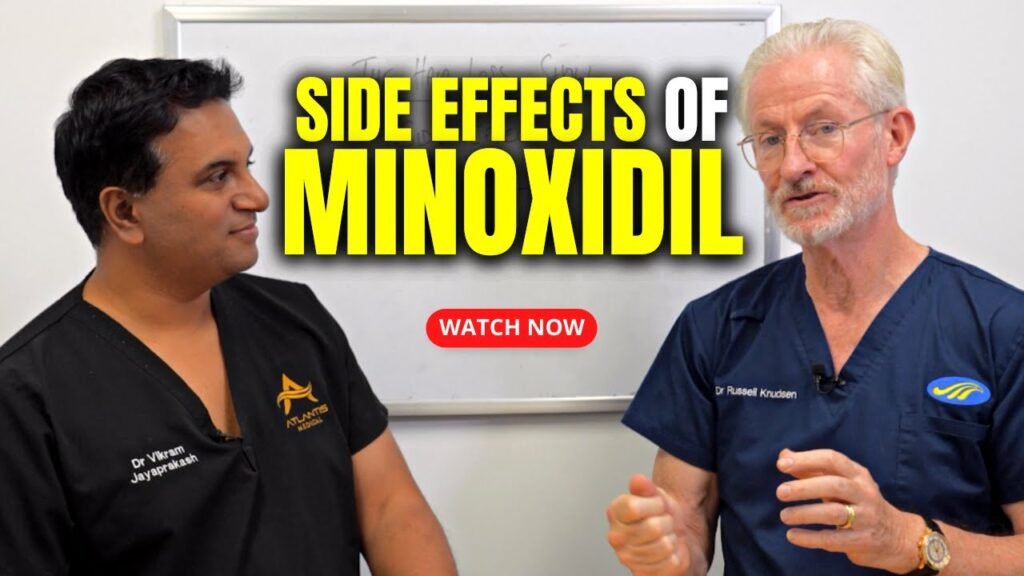
Understanding the Minoxidil Shedding Phase
The Minoxidil shedding phase can be a perplexing experience for those new to hair regrowth treatments. Minoxidil, a popular topical solution for hair loss, works by stimulating hair follicles and increasing blood flow to the scalp. However, before experiencing new hair growth, users often encounter a temporary phase known as «shedding.» During this period, individuals may notice an increase in hair loss, which can be alarming but is a natural part of the treatment process.
What Causes the Shedding Phase?
The shedding phase occurs as Minoxidil accelerates the hairs natural growth cycle. Hair growth consists of several stages: anagen (growth), catagen (transition), and telogen (resting). Minoxidils stimulation prompts hair follicles to move swiftly from the resting phase to the growth phase. As a result, old hairs are pushed out to make way for new, healthier ones. This process can lead to noticeable hair shedding, typically occurring within the first two to eight weeks of treatment. While unsettling, this phase indicates that the medication is effectively working to renew the hair growth cycle.
Managing Expectations During Shedding
Understanding that the Minoxidil shedding phase is temporary can help manage expectations and reduce anxiety. While the shedding may vary in intensity, it usually subsides within a few weeks. Consistency is key; continuing the treatment as directed is crucial for achieving optimal results. Its important to remember that skipping applications or discontinuing use may hinder progress. Users are encouraged to track their progress and consult with a healthcare professional if they have concerns about the shedding duration or intensity.
Why Does Minoxidil Cause Shedding?
Minoxidil is a popular treatment for hair loss, but many users experience an initial increase in hair shedding when they start using it. This phenomenon, often referred to as «Minoxidil shedding,» can be alarming, but it is a well-documented and expected part of the treatment process. The primary reason for this shedding is the way Minoxidil interacts with the hair growth cycle.
The Hair Growth Cycle
To understand why Minoxidil causes shedding, its essential to grasp the basics of the hair growth cycle, which includes three main phases: anagen (growth), catagen (transitional), and telogen (resting). Minoxidil works by stimulating hair follicles, effectively shortening the telogen phase and prompting hair to re-enter the anagen phase. As a result, hair that was in the resting phase is pushed out to make way for new growth. This process can lead to increased shedding as the old hair is replaced by new, healthier strands.
Initial Response to Treatment
The shedding phase typically occurs within the first few weeks to months of starting Minoxidil treatment. This is a sign that the medication is actively working to rejuvenate the hair follicles. While the sight of increased hair loss can be distressing, it is important to note that this is a temporary phase. As the treatment progresses, the new hair growth stimulated by Minoxidil will eventually become noticeable, leading to thicker and fuller hair over time.
For those experiencing Minoxidil shedding, it is crucial to remain patient and continue with the treatment as prescribed. Abruptly discontinuing the use of Minoxidil due to shedding concerns can halt the progress and potentially reverse any benefits gained. Understanding that shedding is a normal and temporary part of the hair restoration process can help users stay committed to their treatment plan.
How Long Does the Minoxidil Shedding Phase Last?
When starting a new treatment like Minoxidil, it’s common for users to experience an initial shedding phase. This shedding phase typically occurs as the product begins to take effect and can be concerning for those new to the treatment. On average, the Minoxidil shedding phase lasts between two to eight weeks. During this time, users might notice increased hair loss, which is actually a sign that the product is working. The older, thinner hairs are making way for the growth of new, thicker strands.
Understanding the Shedding Process
The shedding process is a natural part of the hair growth cycle. When Minoxidil is applied, it stimulates the hair follicles, which can cause the hair to shift from the resting phase (telogen) to the growth phase (anagen) more rapidly. This transition results in the older hairs being pushed out, leading to temporary shedding. Its important to remember that this phase is temporary, and the duration can vary depending on individual factors such as hair type and the specific response to the treatment.
Managing Expectations During the Shedding Phase
While the shedding phase can be alarming, understanding what to expect can help manage anxiety. Its crucial to remain consistent with the application of Minoxidil throughout this period, as discontinuing use may disrupt the treatment process. If shedding persists beyond eight weeks or if there are any concerns, consulting a healthcare professional or dermatologist can provide guidance tailored to individual needs. Maintaining a healthy hair care routine and being patient during this time can contribute to achieving the desired results.
Tips to Manage and Minimize Minoxidil Shedding
When starting minoxidil treatment, shedding is a common occurrence that can be alarming. However, understanding how to manage and minimize this shedding can help you continue with your hair growth journey confidently. One effective strategy is to stay consistent with your application. Minoxidil is most effective when used consistently, typically twice a day. Skipping applications or using it sporadically can disrupt the hair growth cycle, potentially leading to increased shedding.
Another important tip is to ensure youre using the correct dosage. Over-application of minoxidil doesnt speed up results and may actually increase the likelihood of shedding. Stick to the recommended amount, which is usually about 1 mL per application. Additionally, consider incorporating a gentle, sulfate-free shampoo into your routine. This can help maintain scalp health without causing further irritation or dryness, which can exacerbate shedding.
Monitor Your Scalps Response
Monitoring your scalps response to minoxidil can also be beneficial. If you notice excessive irritation or redness, it might be helpful to consult with a dermatologist. They can assess whether a lower concentration of minoxidil might be more suitable for you or if any additional treatments can aid in minimizing shedding. Keeping a hair growth journal can help track your progress and any changes in shedding patterns, providing valuable insights for both you and your healthcare provider.
Lastly, maintain a balanced diet rich in vitamins and minerals that support hair health. Nutrients such as biotin, zinc, and vitamin D play crucial roles in maintaining strong, healthy hair. Supplements can be considered if your diet lacks these nutrients, but its best to consult a healthcare professional before starting any new supplement regimen. By following these tips, you can manage and potentially minimize minoxidil shedding while promoting healthier hair growth.
When to Consult a Professional About Minoxidil Shedding
Minoxidil shedding is a common phase experienced by many users of the topical hair loss treatment. While shedding can be a normal part of the hair growth cycle, there are instances when it might be beneficial to seek professional advice. Understanding when to consult a healthcare provider or dermatologist can make a significant difference in your hair restoration journey.
Excessive Shedding Beyond the Normal Phase
Initially, minoxidil can cause an increase in hair shedding as it accelerates the hair cycle, pushing out old hairs to make way for new growth. This process typically lasts a few weeks to a couple of months. If you notice that shedding continues beyond three months or if it seems excessively heavy, it could indicate an underlying issue that warrants a professional evaluation. A dermatologist can assess whether the shedding is within a normal range or if an alternative treatment plan is needed.
Accompanying Scalp Irritation or Side Effects
While shedding is a known side effect, some users may also experience scalp irritation, redness, or itching. If these symptoms are severe or persist despite following application instructions, it might be time to consult a healthcare professional. They can recommend strategies to mitigate irritation or suggest alternative formulations that might be gentler on your scalp, ensuring that your hair growth efforts are not hampered by discomfort.
Lastly, if you have underlying health conditions or are taking other medications, its crucial to discuss minoxidil use with a professional. Certain health issues or drug interactions might exacerbate shedding or lead to unexpected side effects. A healthcare provider can offer tailored advice based on your medical history, helping you navigate the complexities of hair loss treatment safely and effectively.