Understanding Minoxidil: Can It Cause Rashes?
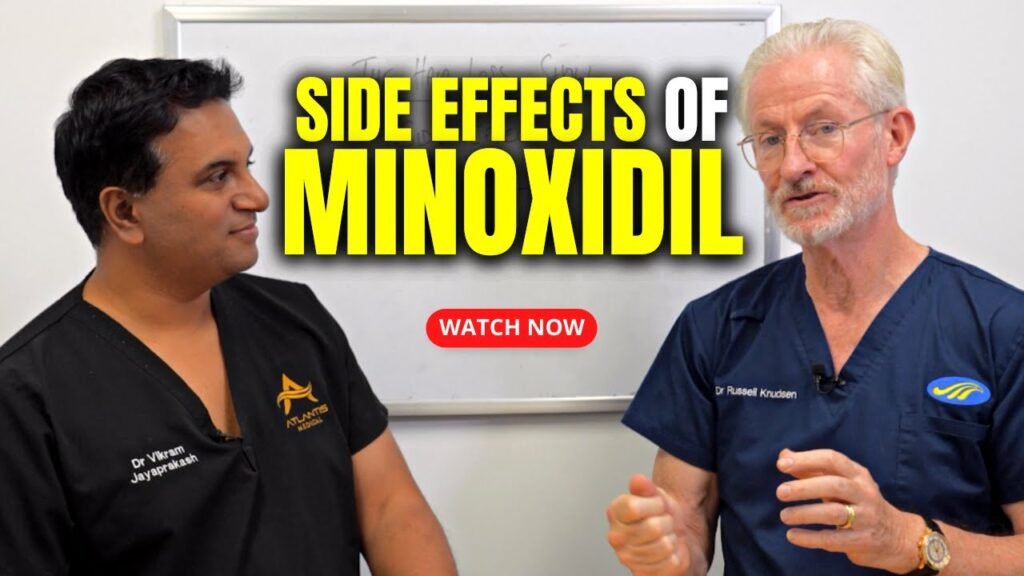
Minoxidil, a popular topical treatment for hair loss, has been widely used for its effectiveness in promoting hair growth. However, like any medication, it may come with potential side effects, one of which includes skin reactions such as rashes. Understanding how minoxidil can cause rashes is crucial for users to make informed decisions about their treatment options.
Why Minoxidil May Cause Rashes
The active ingredient in minoxidil solutions can sometimes irritate the skin, leading to the development of rashes. This is often due to the presence of alcohol or propylene glycol in the formulation, which helps the solution penetrate the scalp but can also cause dryness and irritation for those with sensitive skin. Users may experience redness, itching, or flaking, which are common signs of a rash.
Identifying and Managing Rashes from Minoxidil
If you suspect that minoxidil is causing a rash, its essential to monitor the symptoms closely. Look for signs such as persistent redness, itchiness, or small bumps on the area where the product is applied. To manage these symptoms, you might consider switching to a foam version of minoxidil, which is often free from propylene glycol and may be less irritating. Additionally, applying a moisturizer after the minoxidil has dried can help alleviate dryness and soothe the skin.
Identifying Symptoms: How to Tell if You Have a Rash from Minoxidil
Minoxidil, a popular treatment for hair loss, is generally well-tolerated, but some individuals may experience side effects, including skin reactions. Identifying a rash caused by Minoxidil is crucial for managing symptoms effectively and ensuring your treatment plan is safe. One of the first steps in recognizing a Minoxidil-induced rash is to pay attention to the application area. A rash often appears where the product is applied, commonly the scalp, and may extend to surrounding areas like the forehead or neck.
Common Symptoms of a Minoxidil-Induced Rash
A Minoxidil rash typically manifests as redness, itching, and inflammation. You might notice small red bumps or raised patches on the skin, which can be accompanied by a burning or tingling sensation. Dryness and flakiness in the affected area are also common, making the skin appear scaly. If you experience any of these symptoms, its essential to monitor their severity and persistence, as they can vary from mild to more pronounced reactions.
When to Seek Medical Advice
If you suspect a rash from Minoxidil, consider whether youve recently started or changed the dosage of your treatment, as these factors can contribute to skin reactions. While mild symptoms might resolve with time or by adjusting the products usage, persistent or severe reactions warrant medical attention. Blistering, intense pain, or swelling are signs that you should consult a healthcare professional. They can help determine whether Minoxidil is the cause and recommend alternative treatments or remedies to alleviate discomfort.
Steps to Take if You Experience a Rash from Minoxidil
If you develop a rash after using Minoxidil, it’s essential to address the issue promptly to prevent further irritation and ensure your safety. Here are some steps you can take to manage the situation effectively:
1. Discontinue Use Immediately
The first step when you notice a rash is to stop using Minoxidil right away. Continuing to apply the product could exacerbate the rash or lead to more severe skin reactions. Discontinuing use allows your skin to begin the healing process and prevents further exposure to the irritant.
2. Cleanse the Affected Area
Gently wash the affected area with mild soap and lukewarm water. This helps remove any residual Minoxidil from your skin. Be careful not to scrub or use hot water, as this can irritate the skin further. Pat the area dry with a soft towel to avoid additional irritation.
3. Apply a Soothing Cream or Lotion
Once the area is clean and dry, apply a soothing cream or lotion that is designed for sensitive skin. Products containing aloe vera or chamomile can help calm the skin and reduce inflammation. Make sure to choose a fragrance-free and hypoallergenic product to minimize the risk of further irritation.
4. Seek Medical Advice
If the rash persists or worsens after discontinuing Minoxidil, it’s important to seek medical advice. A healthcare professional can assess the severity of the reaction and may recommend treatments such as antihistamines or topical corticosteroids to alleviate symptoms. They can also advise you on alternative hair growth treatments that may be more suitable for your skin type.
Alternative Treatments: Options If Minoxidil Causes Rashes
If youve experienced rashes from using Minoxidil, youre not alone. Many individuals seek alternative treatments to avoid adverse skin reactions while still addressing their hair loss concerns. Thankfully, several non-invasive and effective options are available that can help you achieve healthier hair growth without the discomfort of a rash.
Topical Natural Oils
One popular alternative is the use of natural oils, such as rosemary oil, peppermint oil, and lavender oil. These essential oils are known for their potential to stimulate hair follicles and improve circulation in the scalp. To use, simply dilute a few drops of the essential oil in a carrier oil like coconut or jojoba oil and gently massage it into your scalp. This not only promotes hair growth but also provides a soothing effect that can reduce irritation.
Low-Level Laser Therapy (LLLT)
Another effective treatment option is Low-Level Laser Therapy (LLLT). This non-invasive method involves using laser devices to stimulate hair follicles and encourage growth. LLLT is considered safe and is often recommended for individuals who cannot tolerate topical treatments. Devices like laser combs and helmets are available for at-home use, making it a convenient choice for those looking to manage hair loss without chemical interventions.
Dietary Supplements
For those who prefer oral solutions, certain dietary supplements can support hair health from within. Biotin, zinc, and vitamins such as D and E are crucial for maintaining healthy hair. Additionally, supplements containing saw palmetto and collagen have gained popularity for their potential to enhance hair growth. Before starting any supplement regimen, its important to consult with a healthcare provider to ensure they are appropriate for your individual health needs.
Consulting a Healthcare Professional: When to Seek Help for Minoxidil Rashes
Experiencing a rash after using minoxidil can be concerning, and knowing when to seek help from a healthcare professional is crucial. Minoxidil, commonly used for hair regrowth, may cause skin irritation or rashes in some users. If you notice a persistent rash that does not improve with basic over-the-counter treatments or home remedies, it is advisable to consult a healthcare professional. Persistent rashes can indicate an allergic reaction or sensitivity to minoxidil, requiring professional assessment and guidance.
Signs That Warrant Professional Attention
It is important to be aware of specific symptoms that necessitate consulting a healthcare provider. If the rash is accompanied by severe itching, swelling, or pain, these could be signs of a more serious allergic reaction. Additionally, if the rash spreads beyond the application area or is accompanied by other symptoms such as difficulty breathing or dizziness, seek immediate medical attention. These symptoms may indicate anaphylaxis, a severe allergic reaction that requires urgent care.
Preventive Measures and Professional Advice
A healthcare professional can provide personalized advice on how to prevent future occurrences of minoxidil-induced rashes. They may suggest conducting a patch test before continuing with the treatment or recommend alternative hair regrowth solutions that are less likely to cause skin irritation. By consulting with a healthcare provider, you can receive tailored recommendations based on your medical history and specific needs, ensuring safer and more effective use of hair regrowth products.