Understanding Minoxidil: What Is It and How Does It Work?
Minoxidil is a well-known topical treatment primarily used for promoting hair growth and slowing down hair loss. Originally developed as an oral medication for hypertension, researchers discovered its potential to stimulate hair growth as a side effect, leading to its widespread use in treating conditions like androgenetic alopecia, commonly known as male or female pattern baldness. Available in various formulations, including 2% and 5% solutions, minoxidil is applied directly to the scalp, making it accessible and easy to use for individuals experiencing hair thinning or balding.
How Does Minoxidil Work?
The exact mechanism of how minoxidil stimulates hair growth is not entirely understood, but it is believed to work by prolonging the anagen phase, which is the active growth phase of hair follicles. By increasing blood flow to the hair follicles, minoxidil enhances nutrient and oxygen delivery, which may help to revitalize shrunken hair follicles, leading to thicker and longer hair strands. Moreover, it may also increase the size of hair follicles, allowing for the growth of stronger hair. This action helps counteract the effects of DHT (dihydrotestosterone), a hormone that contributes to hair follicle shrinkage in those with genetic predispositions to hair loss.
Effectiveness and Usage
Minoxidil is most effective in individuals who have recently begun experiencing hair loss, typically within the last five years. Consistent application is crucial, as results generally become noticeable after several months of regular use. It is important to follow the recommended application instructions to maximize the treatments benefits. Although minoxidil is not a cure for baldness and does not work for everyone, many users report significant improvements in hair density and reduced hair shedding. However, discontinuation of the treatment often leads to the reversal of its effects, underscoring the need for ongoing use to maintain results.
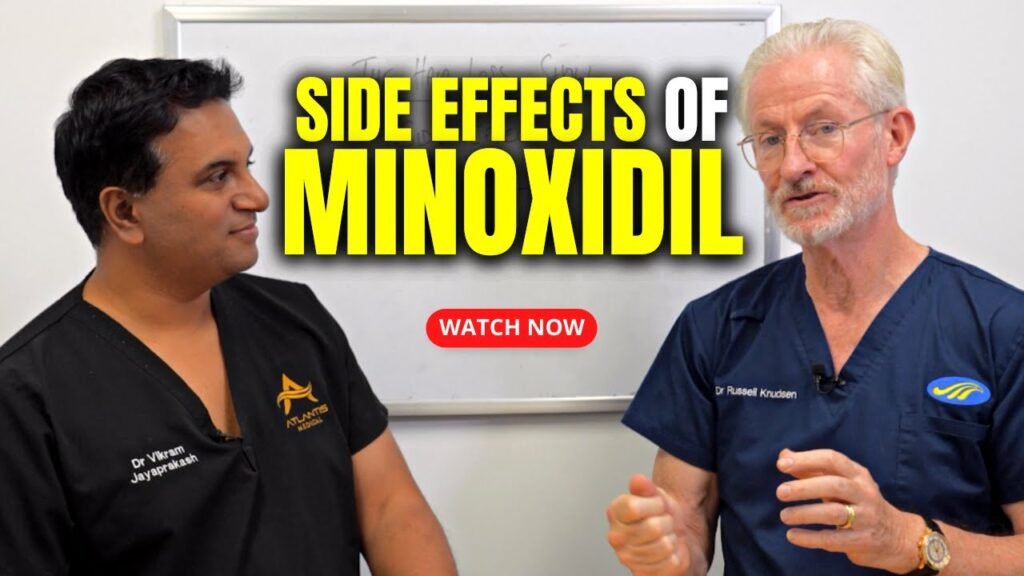
Common Side Effects of Minoxidil: An Overview
Minoxidil is a popular topical treatment for hair loss, but like many medications, it can cause side effects. One of the most frequently reported side effects is scalp irritation. Users may experience itching, dryness, scaling, flaking, or redness where the product is applied. This is often due to the alcohol or propylene glycol content in the solution, which can cause skin sensitivity in some individuals. To mitigate these effects, some people opt for a foam formulation of minoxidil, which is less likely to cause irritation.
Another common side effect is unwanted facial or body hair growth. Since minoxidil stimulates hair follicles, there is a possibility of hair growth in areas where the medication might inadvertently spread, such as the forehead or cheeks. This is more prevalent in women who use minoxidil and may necessitate adjustments in application techniques to prevent the medication from spreading beyond the intended area.
Other Notable Side Effects
Aside from skin-related issues, some users may experience systemic side effects, although these are less common. Symptoms such as dizziness, rapid heartbeat, or swelling of the hands and feet can occur, particularly if the medication is absorbed into the bloodstream. These side effects are more likely if minoxidil is used in larger quantities than recommended. Its important to follow the prescribed dosage and consult with a healthcare professional if these symptoms arise.
In rare cases, users may experience an initial increase in hair shedding. This can be alarming, but it is generally a temporary phase as the hair follicles are stimulated and enter a new growth cycle. Understanding this process can help users remain committed to the treatment despite this temporary side effect. If excessive shedding continues, it is advisable to seek medical advice to ensure the treatment is suitable for the individuals condition.
Can Minoxidil Cause Rashes? Exploring the Possibility
Minoxidil is a popular topical treatment commonly used to combat hair loss. However, like any medication, it may have side effects, including the potential to cause skin rashes. Understanding how minoxidil interacts with the skin is crucial for users who experience unexpected dermatological reactions. While minoxidil is generally well-tolerated, some individuals may experience sensitivity that results in a rash, itching, or redness in the area where the product is applied.
The occurrence of rashes can be attributed to a few factors. Firstly, the alcohol and propylene glycol present in many minoxidil formulations can irritate sensitive skin, leading to contact dermatitis. This is a type of skin inflammation characterized by redness, itching, and sometimes blisters. Additionally, an allergic reaction to minoxidil itself, although rare, could also result in a rash. In such cases, it is essential to discontinue use and consult a healthcare professional for further advice.
For those who suspect that minoxidil is causing skin issues, there are several steps to consider. Switching to a foam formulation instead of a liquid one might reduce irritation, as the foam version typically contains fewer irritants. Moreover, conducting a patch test before regular use can help identify any potential allergic reactions. If the rash persists, seeking medical advice is recommended to explore alternative treatments or solutions that may better suit your skins needs.
How to Manage and Treat Rashes Caused by Minoxidil
Minoxidil is a popular medication used for hair regrowth, but some users may experience skin rashes as a side effect. Understanding how to effectively manage and treat these rashes can help you continue your treatment with minimal discomfort. The first step is to identify the severity of the rash. Mild rashes may present as slight redness or irritation, while more severe cases could involve itching, swelling, or blistering. Its essential to stop using minoxidil immediately if you notice any adverse skin reactions and consult a healthcare professional for guidance.
Topical Treatments: Once youve stopped using minoxidil, consider applying over-the-counter hydrocortisone cream to the affected area. This can help reduce inflammation and itching associated with the rash. For more severe cases, your doctor may prescribe a stronger corticosteroid cream. Additionally, using a gentle moisturizer can help soothe the skin and promote healing. Look for products that are fragrance-free and designed for sensitive skin to avoid further irritation.
Preventive Measures: To prevent rashes from occurring in the future, consider conducting a patch test before reapplying minoxidil. Apply a small amount of the product on a discreet area of your skin and wait 24 hours to see if any reaction occurs. If your skin tolerates the product, reintroduce it gradually and monitor for any signs of irritation. Its also advisable to maintain good skincare practices, such as keeping the application area clean and avoiding harsh soaps or exfoliants that could exacerbate skin sensitivity.
Consulting a Healthcare Professional: When to Seek Help for Minoxidil Rashes
Experiencing a rash after using minoxidil can be concerning, and knowing when to consult a healthcare professional is crucial for your health and safety. Minoxidil rashes can manifest as redness, itching, or even swelling in the area where the product is applied. While mild irritation might be common, it is important to monitor the symptoms closely. If you notice that the rash is worsening or if it is accompanied by severe discomfort, it is advisable to seek medical attention promptly.
Persistent or Worsening Symptoms
If your rash persists for more than a few days or shows signs of spreading beyond the initial application area, it is a clear indicator that professional evaluation is needed. Persistent symptoms can sometimes be a sign of an allergic reaction or sensitivity to one of the ingredients in minoxidil. A healthcare professional can perform a thorough examination and may suggest alternative treatments or prescribe medication to alleviate the symptoms.
Signs of a Severe Reaction
In rare cases, severe allergic reactions may occur, which require immediate medical intervention. If you experience symptoms such as difficulty breathing, swelling of the face or throat, or severe dizziness, seek emergency medical help right away. These symptoms could indicate a life-threatening reaction known as anaphylaxis. Additionally, if you have a history of allergies or skin sensitivities, it is wise to consult a healthcare provider before beginning minoxidil treatment to discuss any potential risks.
Taking proactive steps and consulting with a healthcare professional at the first sign of a minoxidil rash can prevent complications and ensure you receive the appropriate care. Always prioritize your health and do not hesitate to seek expert advice when in doubt.