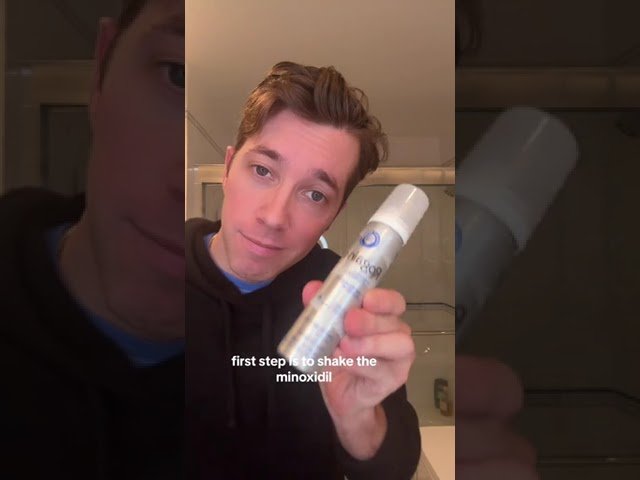
What is Minoxidil and How Does It Work on Sensitive Skin?
Minoxidil is a topical medication primarily used to treat hair loss and promote hair regrowth. Originally developed as an oral medication for high blood pressure, it was discovered to have a side effect of hair growth, leading to its adaptation as a topical treatment. When applied to the scalp, minoxidil works by stimulating hair follicles, increasing blood flow, and prolonging the anagen (growth) phase of the hair cycle. This makes it an effective solution for those experiencing thinning hair or pattern baldness.
For individuals with sensitive skin, using minoxidil can be a bit more challenging, as it may cause irritation or allergic reactions. Sensitive skin is more prone to redness, itching, and dryness, which can be exacerbated by the application of topical treatments. To mitigate these effects, it is crucial to conduct a patch test before full application to ensure that the skin does not react adversely. Opting for a lower concentration of minoxidil, such as the 2% solution, may also help reduce potential irritation for sensitive skin types.
Application Tips for Sensitive Skin:
– Start Slowly: Begin with a small amount of minoxidil to gauge how your skin reacts. Gradually increase the amount if no adverse reactions occur.
– Moisturize: Use a gentle, fragrance-free moisturizer on the scalp to help combat dryness and maintain skin hydration.
– Avoid Overuse: Applying more than the recommended dose will not enhance results and may increase the risk of irritation.
By taking these precautions, individuals with sensitive skin can still benefit from the hair regrowth properties of minoxidil while minimizing the risk of discomfort or adverse reactions.
Benefits of Using Minoxidil for Hair Growth on Sensitive Skin
Minoxidil has gained popularity as an effective solution for hair regrowth, and it offers several advantages for individuals with sensitive skin. One of the primary benefits is its ability to stimulate hair follicles without causing irritation. Many products designed for hair growth contain harsh chemicals that can exacerbate sensitivity issues, but minoxidil is formulated to be gentle on the scalp, making it a suitable option for those with delicate skin.
Non-Invasive Application
Minoxidil is available in topical solutions and foams, allowing for a non-invasive application that reduces the risk of adverse reactions. This feature is particularly beneficial for people with sensitive skin, as it minimizes direct contact with potentially irritating substances. The ease of application ensures that users can incorporate minoxidil into their daily routines without the need for complex procedures, thereby maintaining skin comfort and health.
Clinically Proven Efficacy
The efficacy of minoxidil in promoting hair growth has been clinically proven, offering peace of mind to those concerned about sensitivity. Unlike other treatments that may require prescription medications or invasive procedures, minoxidil provides a straightforward and accessible option. Its proven track record in stimulating hair growth while being gentle on the skin makes it an appealing choice for individuals seeking to address hair loss without compromising skin health.
How to Apply Minoxidil Safely for Beginners with Sensitive Skin
Applying Minoxidil can be a straightforward process, but for beginners with sensitive skin, it’s crucial to approach it with care to avoid irritation. Before starting, conduct a patch test on a small area of your skin. Apply a tiny amount of Minoxidil and wait 24 hours to check for any adverse reactions such as redness, itching, or swelling. This step is essential to ensure your skin can tolerate the product without complications.
Step-by-Step Application Process
- Cleanse the Area: Before applying Minoxidil, wash your face or scalp with a gentle, fragrance-free cleanser. Pat dry with a soft towel to ensure the skin is clean and free from oils or dirt.
- Measure the Correct Amount: Use the dropper or spray provided with the product to apply the recommended dose. For beginners, its advisable to start with a smaller amount and gradually increase to the full dose as your skin becomes accustomed.
- Apply Gently: Use your fingertips to gently massage the solution into the target area. Avoid vigorous rubbing, which can irritate sensitive skin.
After application, allow the Minoxidil to dry completely before applying other skincare products or lying down to avoid transferring it to other surfaces. It’s important to incorporate a moisturizer suited for sensitive skin into your routine to help maintain hydration and reduce potential dryness caused by Minoxidil. Opt for a non-comedogenic and hypoallergenic moisturizer to ensure it doesn’t clog pores or cause additional irritation.
Potential Side Effects of Minoxidil on Sensitive Skin and How to Manage Them
Minoxidil, a popular treatment for hair loss, can sometimes pose challenges for individuals with sensitive skin. Common side effects may include itching, redness, and irritation in the application area. These symptoms can be particularly pronounced for those with sensitive skin, making it crucial to monitor any changes after beginning treatment. Dryness and flakiness are also reported by some users, as Minoxidil may alter the skins natural moisture balance.
Identifying and Managing Skin Irritation
If you experience irritation, its important to identify the triggers and manage them effectively. Patch testing is a recommended first step before applying Minoxidil extensively. Apply a small amount on a discreet area of your skin to see how it reacts over 24 hours. Should irritation occur, consider using a lower concentration of Minoxidil or reducing the frequency of application. Moisturizing the skin can also help manage dryness and reduce discomfort. Opt for gentle, fragrance-free moisturizers to avoid further irritation.
Addressing Allergic Reactions
In some cases, Minoxidil can cause allergic reactions, which may manifest as severe itching, swelling, or rash. If these symptoms arise, discontinue use immediately and consult a healthcare professional. Antihistamines or topical steroids may be recommended to alleviate symptoms. Additionally, switching to a foam formulation of Minoxidil, which contains fewer additives, can be beneficial for sensitive skin. Regularly consulting with a dermatologist can ensure that your treatment plan is tailored to your skins specific needs, minimizing potential side effects.
Top Tips for Beginners Using Minoxidil on Sensitive Skin
When starting your journey with minoxidil on sensitive skin, its crucial to approach with caution and care. Patch testing is a vital first step for beginners. Apply a small amount of minoxidil to a discreet area, such as behind your ear, and monitor for any adverse reactions over 24 to 48 hours. This simple precaution can help you determine if your skin is likely to react negatively to the product, potentially preventing irritation or allergic reactions.
Choosing the Right Formulation
For those with sensitive skin, selecting the appropriate formulation of minoxidil can make a significant difference. Minoxidil is available in both liquid and foam forms, with the foam version often recommended for sensitive skin due to its alcohol-free composition. The absence of alcohol reduces the likelihood of dryness and irritation, providing a gentler option for those prone to skin sensitivity. Always look for formulations specifically labeled for sensitive skin to ensure the best compatibility.
Incorporating a Gentle Skincare Routine
Integrating minoxidil into your routine requires a gentle approach to skincare. Prioritize using fragrance-free and hypoallergenic products to avoid compounding any potential irritation. Moisturizing regularly is essential, as minoxidil can sometimes lead to dryness. Opt for a soothing, non-comedogenic moisturizer to maintain skin hydration without clogging pores. Additionally, its advisable to apply minoxidil to clean, dry skin to enhance absorption and effectiveness while minimizing the risk of irritation.