
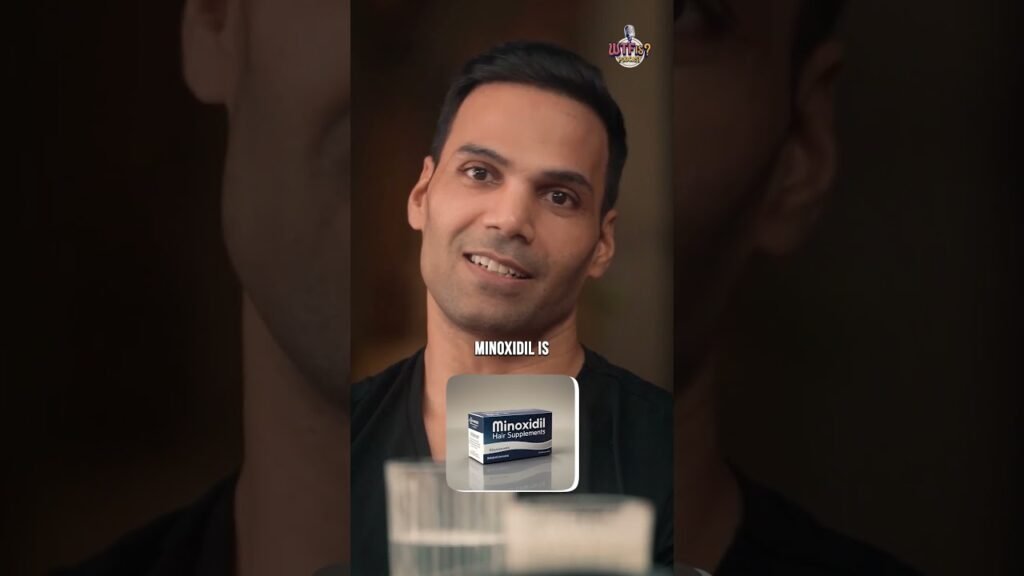
Understanding Minoxidil: What It Is and How It Works
Minoxidil is a widely recognized medication primarily used to treat hair loss, and its available in both topical and oral forms. Originally developed as an oral medication for hypertension, its hair growth side effect led to the development of topical formulations specifically for addressing hair thinning and baldness. This vasodilator works by widening blood vessels, thereby improving blood flow to hair follicles, which in turn can help to revitalize shrunken hair follicles, increase their size, and extend the growth phase of the hair cycle. This mechanism is particularly effective for individuals experiencing androgenetic alopecia, commonly known as male or female pattern baldness.
How Minoxidil Works
Minoxidils effectiveness lies in its ability to stimulate hair follicles and promote increased hair growth. When applied topically, it penetrates the scalp and increases the size of hair follicles, encouraging thicker and stronger hair strands. The exact biochemical mechanism is not entirely understood, but its believed that by enhancing blood flow to the scalp, minoxidil delivers more oxygen and nutrients to the hair follicles, supporting their growth and development. Additionally, minoxidil is thought to prolong the anagen phase, or the active growth phase of hair, which leads to longer and more abundant hair over time.
Usage and Considerations
When using minoxidil, consistency is key to achieving desired results. Its typically applied twice daily for optimal efficacy, and while some users may start noticing changes within a few months, others might require longer periods to see significant improvement. Its important to note that the effects of minoxidil are not permanent; discontinuation of the treatment usually results in a reversal of hair growth benefits. Potential side effects include scalp irritation, itching, or dryness, and users should consult with healthcare professionals to ensure its the right treatment for their specific condition. Understanding how minoxidil works can empower users to make informed decisions about managing hair loss effectively.
The Hair Shedding Phase: What to Expect When Using Minoxidil
When beginning treatment with Minoxidil, one common experience users encounter is the hair shedding phase. This initial phase can be concerning, but its important to understand that it is a normal part of the hair regrowth process. During the first few weeks of using Minoxidil, you might notice an increase in hair loss. This shedding occurs because Minoxidil stimulates hair follicles, pushing out older, weaker hairs to make way for new, stronger strands. While this can be alarming, its a sign that the treatment is starting to work.
How Long Does the Shedding Phase Last?
Typically, the hair shedding phase lasts for about two to eight weeks. This duration can vary depending on individual response to the treatment. Its crucial to remain patient and continue using Minoxidil as directed during this period. Discontinuing use prematurely can halt progress and prevent you from seeing the full benefits of the treatment. Consistency is key, and its important to follow the recommended application schedule to achieve optimal results.
Managing Expectations During the Shedding Phase
To manage expectations during the shedding phase, its helpful to remember that not everyone will experience significant shedding. Some users may notice only a slight increase in hair loss, while others might see more pronounced shedding. Regardless of the extent, maintaining a positive outlook and understanding that this phase is temporary can help you stay committed to the treatment. Additionally, incorporating a healthy hair care routine and avoiding harsh styling practices can support hair health and enhance the effects of Minoxidil.
Scientific Studies on Minoxidil: Insights into the Hair Shedding Phase
Minoxidil, a well-known topical treatment for hair loss, has been extensively studied to understand its effects on hair growth cycles, particularly the shedding phase. Hair shedding, often seen in the initial stages of Minoxidil treatment, can be concerning for users. However, scientific studies suggest that this shedding phase is a normal part of the hair growth cycle and indicates that the treatment is working. When Minoxidil is applied, it shortens the telogen phase (resting phase) and pushes hair follicles into the anagen phase (growth phase), resulting in initial shedding as new hair begins to grow.
Research has demonstrated that Minoxidils mechanism involves the stimulation of hair follicle activity by enhancing blood flow and nutrient delivery to the follicles. Studies have shown that during the first few weeks of treatment, the increased shedding is due to the synchronization of hair follicles entering the anagen phase simultaneously. This synchronization, although alarming, leads to a fuller and thicker hair appearance over time. A 2002 study published in the *Journal of the American Academy of Dermatology* highlighted that patients should be informed about this shedding phase to prevent discontinuation of the treatment due to misunderstandings.
Furthermore, scientific investigations have explored the duration and intensity of the shedding phase. While the shedding can vary from person to person, most studies agree that it typically lasts from a few weeks to a couple of months. Clinical trials emphasize the importance of continued use of Minoxidil to achieve the desired hair regrowth results. Patience and adherence to the recommended application routine are crucial, as prematurely stopping the treatment can lead to the cessation of hair regrowth and potential loss of newly grown hair.
Common Misconceptions About Minoxidil and Hair Shedding
One prevalent misconception about minoxidil is that it causes permanent hair loss. Many individuals panic when they notice increased shedding shortly after beginning treatment, mistakenly believing that minoxidil is worsening their condition. However, this shedding phase is a temporary and normal part of the hair growth cycle. When you start using minoxidil, it accelerates the shedding of weak and thin hairs, making way for stronger, healthier strands. This initial increase in hair loss is often a sign that the treatment is working as intended.
Another common myth is that hair shedding will continue indefinitely with minoxidil use. In reality, this shedding phase typically lasts only a few weeks to a couple of months. After this period, users often notice a decrease in shedding and an improvement in hair density and thickness. Its important to remain patient and consistent with the treatment, as discontinuing use during the shedding phase can prevent you from experiencing the potential benefits of minoxidil.
Misunderstanding the Role of Consistency
Many people believe that they can use minoxidil sporadically and still achieve optimal results. This misunderstanding can lead to frustration and a belief that the product is ineffective. Consistency is crucial when using minoxidil. Regular application as directed ensures that the medication maintains its efficacy and continues to promote hair growth. Inconsistent use may lead to prolonged shedding and suboptimal results, reinforcing the false perception that minoxidil is ineffective or harmful.
Expert Tips on Managing Hair Shedding with Minoxidil
Understanding how to manage hair shedding when using Minoxidil can significantly enhance your hair regrowth journey. Minoxidil, a popular topical treatment, is known for its effectiveness in promoting hair growth, but users often experience initial shedding. This shedding phase is temporary and typically indicates that the treatment is working. To minimize concerns and maximize results, experts suggest sticking to a consistent application routine. Apply Minoxidil to dry scalp twice daily, ensuring it fully absorbs before styling your hair. Consistency is key, as irregular use can hinder progress and prolong the shedding phase.
Its essential to monitor your scalps health while using Minoxidil. Experts recommend incorporating a gentle shampoo and conditioner to maintain a healthy scalp environment. Opt for products that are free from sulfates and parabens to avoid irritation. Additionally, consider incorporating a weekly scalp massage to boost blood circulation, which can further support hair growth. Hydration is also crucial, so drink plenty of water and consider using a leave-in conditioner to keep your hair and scalp moisturized.
For those experiencing excessive shedding or irritation, consulting with a dermatologist can provide personalized guidance. They may suggest adjusting the concentration of Minoxidil or exploring complementary treatments like microneedling or low-level laser therapy to enhance results. Additionally, experts advise being patient, as visible improvements can take several months. By following these expert tips, you can effectively manage hair shedding and support a healthier, fuller head of hair with Minoxidil.

