
Understanding Minoxidil: What It Is and How It Works
Minoxidil is a popular topical medication primarily used to treat hair loss and stimulate hair growth. Originally developed as an oral medication for high blood pressure, it was discovered to have the side effect of promoting hair growth, leading to its formulation as a topical treatment. Minoxidil is now commonly available in various concentrations, with 2% and 5% solutions being the most prevalent. It is marketed under several brand names, including Rogaine and Regaine, and is approved by the FDA for use in both men and women experiencing androgenetic alopecia, commonly known as male or female pattern baldness.
How Minoxidil Works
Minoxidil works by revitalizing hair follicles and increasing blood flow to the scalp. This process is believed to prolong the anagen phase, which is the active growth phase of hair follicles. By extending this phase, more hair follicles remain active, resulting in increased hair density and thickness. The exact mechanism of how minoxidil promotes hair growth is not entirely understood, but it is thought to open potassium channels, which improves hair follicle function and stimulates hair regrowth.
When applied to the scalp, minoxidil is absorbed through the skin, and its effects can usually be seen after consistent use for several months. It is important to apply the solution or foam directly to the scalp, where it can be most effective. Regular and continued use is necessary to maintain results, as discontinuation may lead to the return of hair loss. Users may experience initial shedding, which is a normal part of the process as older hairs make way for new growth.
How to Apply Minoxidil: Step-by-Step Guide
Minoxidil is a popular treatment for hair loss, and applying it correctly is crucial for achieving the best results. Begin by ensuring your scalp and hair are dry before application. This helps the solution absorb more effectively. Start by parting your hair to expose the area where hair thinning is most noticeable. Using the dropper or spray applicator, apply the recommended amount of Minoxidil directly onto the scalp.
Step 1: Prepare the Applicator
First, fill the applicator with the appropriate dosage of Minoxidil, usually 1 ml for most solutions. If youre using a foam version, dispense the foam onto your fingers. Ensure your hands are clean to prevent contamination. The applicator is designed to help you measure the correct amount, so always follow the instructions provided with your product to avoid overuse.
Step 2: Apply the Solution
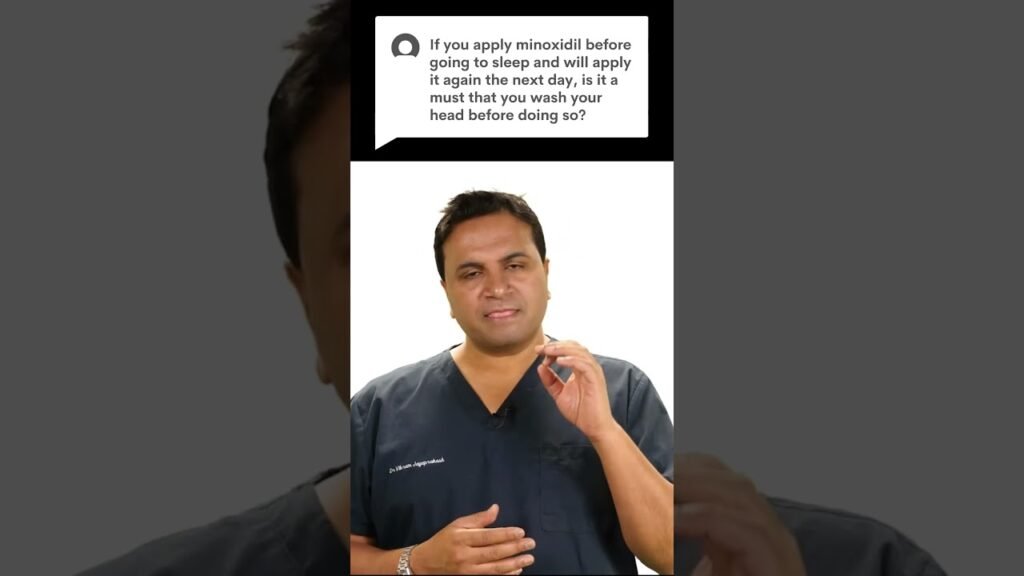
Gently apply the Minoxidil to the targeted areas. If using a liquid form, use the dropper to place the solution directly onto the scalp, then use your fingers to spread it evenly. For foam, apply it to your fingertips and massage it into the scalp. Be sure to cover all thinning areas to maximize coverage and effectiveness. Avoid washing your hair or scalp for at least 4 hours after application to allow the product to fully absorb.
Step 3: Post-Application Care
After applying Minoxidil, wash your hands thoroughly to remove any residual product. Its important not to use a hairdryer on the scalp immediately after application, as heat can reduce the effectiveness of the treatment. Incorporate this routine into your daily regimen, typically twice a day, for optimal results. Consistency is key, so try to apply Minoxidil at the same times each day to develop a habit and enhance hair regrowth.
How Long Does It Take to See Results from Minoxidil?
Minoxidil is a popular topical treatment for hair loss, and understanding the timeline for results is crucial for those considering its use. Generally, it takes about 3 to 6 months to notice visible changes in hair growth after starting minoxidil treatment. This period can vary based on individual factors such as the extent of hair loss, consistency of application, and overall health. During the initial weeks, some users may experience increased hair shedding, which is a normal part of the hair growth cycle as new hairs push out the old ones.
What to Expect in the First Few Months
In the first month of using minoxidil, you might not see any significant changes. This phase is often characterized by an adjustment period where your scalp gets used to the medication. By the second to third month, some users may begin to notice early signs of hair regrowth, although these might be in the form of fine, soft hairs known as vellus hairs. It’s essential to maintain patience and consistency during this period, as discontinuing the treatment prematurely can reverse any progress made.
Factors Influencing Results
Several factors can influence how quickly you see results from minoxidil. These include the consistency of application, as the medication needs to be applied regularly to be effective. Age, genetics, and the severity of hair loss also play significant roles in determining the speed and extent of hair regrowth. Moreover, combining minoxidil with other treatments, such as finasteride or biotin supplements, may enhance results, although this should be done under medical supervision. Its important to follow the prescribed regimen and consult a healthcare provider if you have concerns about your progress.
Factors Influencing the Effectiveness of Minoxidil
Minoxidil is a popular treatment for hair loss, but its effectiveness can vary based on several factors. One crucial factor is the individuals age. Younger users, particularly those under the age of 40, tend to experience more positive results with minoxidil. This is often because they are in the earlier stages of hair loss, where hair follicles are still active and more responsive to treatment. Older individuals may have more advanced hair loss, which can limit the drugs efficacy.
Another significant factor is the extent and duration of hair loss. Minoxidil is most effective in individuals who have been experiencing hair loss for a shorter period. Those with long-standing baldness may have dormant hair follicles that are less likely to respond to treatment. Furthermore, the size of the affected area plays a role; smaller areas of thinning hair are more likely to show improvement compared to larger bald spots.
The consistency and method of application also greatly influence minoxidils effectiveness. Users who apply the treatment regularly, as directed, are more likely to see positive results. Its essential to follow the recommended dosage and application frequency. Additionally, the way minoxidil is applied can impact its success. For instance, ensuring that the solution or foam is applied directly to the scalp and not the hair can enhance absorption and effectiveness.
Lastly, individual health conditions and genetic factors can affect how well minoxidil works. Certain medical conditions, such as hormonal imbalances or scalp disorders, might interfere with the treatments efficacy. Genetic predispositions also play a role, as some individuals may naturally respond better to minoxidil due to their genetic makeup. Understanding these factors can help users set realistic expectations and optimize their treatment regimen.
Frequently Asked Questions About Minoxidil Application
How Often Should I Apply Minoxidil?
The recommended frequency for applying minoxidil is typically twice daily. This regimen helps maintain a consistent level of the active ingredient on your scalp, which is crucial for stimulating hair growth. For those new to minoxidil, its important to adhere to this routine to achieve optimal results. Skipping applications or inconsistent use may lead to suboptimal outcomes. Always consult with a healthcare provider to tailor the application frequency to your specific needs.
Can I Use Other Hair Products Alongside Minoxidil?
Yes, you can generally use other hair products while applying minoxidil. However, it is advisable to apply minoxidil first and allow it to fully dry before using any additional styling products. This ensures that the minoxidil has been adequately absorbed into the scalp. Be cautious with products that may irritate the scalp or hinder absorption. Always check with your dermatologist if you have concerns about combining products.
What Are Common Side Effects of Minoxidil?
Some users may experience mild side effects when using minoxidil, including scalp irritation, dryness, or flaking. These effects are typically temporary and may subside as your scalp adjusts to the treatment. If irritation persists, consider using a moisturizer or reducing the application frequency. Severe side effects are rare but should be reported to a healthcare professional immediately. Always perform a patch test before beginning full treatment to minimize potential adverse reactions.

