
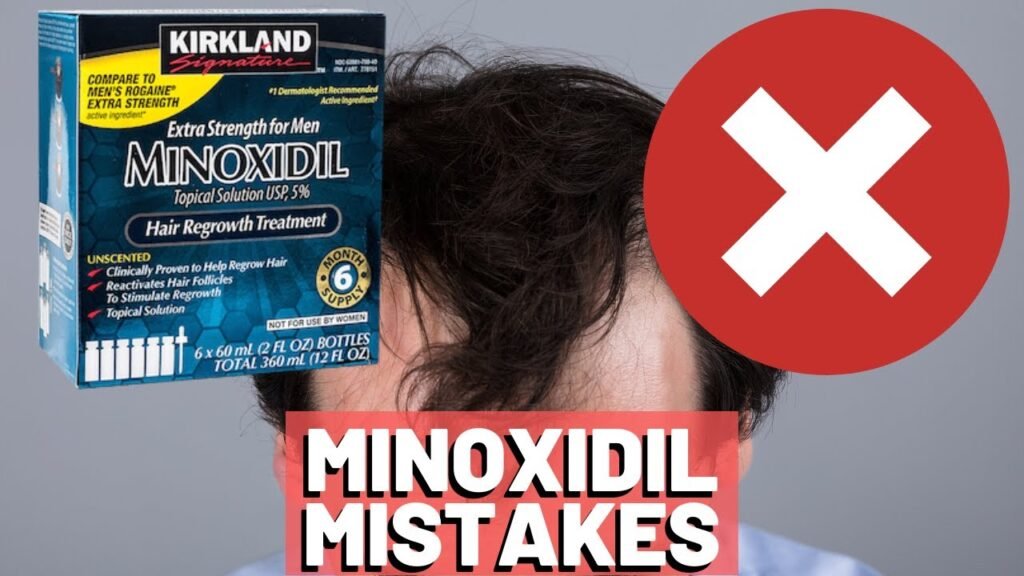
Understanding the Differences: Minoxidil Liquid vs Foam
When it comes to treating hair loss, Minoxidil is a well-known solution available in two primary forms: liquid and foam. Each form has its own unique characteristics, benefits, and considerations, making it important to understand their differences to choose the best option for your needs. Minoxidil liquid is the original form of the treatment, known for its ease of application with a dropper directly to the scalp. This allows for precise targeting of areas where hair thinning is most prevalent. However, it may leave a greasy residue, which some users find inconvenient, especially if applied in the morning.
On the other hand, Minoxidil foam is a newer formulation that has gained popularity due to its quick-drying properties and ease of use. The foam can be applied using your fingers, which some users find more convenient than a dropper. It is particularly beneficial for those with sensitive skin, as it is less likely to cause irritation compared to the liquid form. The foam formulation is also alcohol-free, reducing the risk of scalp dryness. This makes it a preferred choice for individuals who experience scalp irritation with the liquid version.
- Application Method: Liquid uses a dropper for direct application, while foam is applied with fingers.
- Scalp Sensitivity: Foam is generally better for sensitive skin due to its alcohol-free composition.
- Residue: Liquid may leave a greasy residue; foam dries quickly and is less messy.
In terms of effectiveness, both forms are designed to deliver the active ingredient to the scalp, but user preference often plays a significant role in determining which one to use. Some users may prefer the foam for its convenience and comfort, while others may opt for the liquid due to its precision in application. Regardless of the choice, consistent use as directed is key to achieving the desired results in hair regrowth.
Application Techniques: Avoiding Common Mistakes with Minoxidil
When using Minoxidil, a popular topical treatment for hair loss, ensuring the correct application technique is crucial for optimal results. One common mistake is applying the solution to wet hair. Its important to ensure your scalp is completely dry before applying Minoxidil, as moisture can dilute the product, reducing its effectiveness. Always allow your hair to air dry thoroughly before application to maximize absorption into the scalp.
Another frequent error involves using too much or too little of the product. The recommended dosage for Minoxidil is typically 1 ml per application, but many users mistakenly apply more, thinking it will speed up results. This not only wastes the product but can also lead to skin irritation. Conversely, using less than the recommended amount can slow down the progress. Its essential to measure the correct dosage with the dropper provided to maintain consistency and efficacy.
Proper Application Method
Proper application also involves paying attention to how you apply Minoxidil to your scalp. Avoid rubbing the solution into your scalp vigorously. Instead, gently spread the product over the affected area with your fingertips, ensuring even distribution. This technique helps prevent unnecessary irritation and ensures that the Minoxidil is absorbed where its needed most. Additionally, wash your hands immediately after application to prevent the solution from spreading to other parts of your body, which can cause unwanted hair growth.
Comparing Effectiveness: Minoxidil Liquid and Foam
When evaluating the effectiveness of Minoxidil in both its liquid and foam forms, several factors come into play that can influence individual results. Minoxidil liquid has been a staple in hair regrowth treatments for decades. It is often praised for its ability to penetrate the scalp more thoroughly due to its liquid consistency, which can be beneficial for individuals with more advanced hair thinning. The liquid form typically contains propylene glycol, which aids in better absorption but may cause irritation for some users.
On the other hand, Minoxidil foam is a relatively newer formulation that has gained popularity due to its ease of application and reduced likelihood of irritation. The foam version omits propylene glycol, making it a gentler option for those with sensitive skin or those who have experienced adverse reactions to the liquid. Many users appreciate that the foam dries quickly and is less greasy, which can be a significant advantage for maintaining a regular hair care routine without inconvenience.
Key Differences in Application and User Experience
The choice between Minoxidil liquid and foam often comes down to personal preference and specific hair care needs. Application of the liquid requires more precision, as it involves using a dropper to apply the solution directly to the scalp, which can sometimes result in dripping or uneven distribution. In contrast, the foam is applied with the fingers, allowing for a more controlled and even spread across the affected areas.
Additionally, user experience can vary significantly between the two forms. Those who prefer a quick and less messy application may lean towards the foam, while individuals seeking potentially more robust absorption might opt for the liquid. Its important to note that both forms require consistent use to achieve optimal results, and users should consider their lifestyle and preferences when deciding which formulation suits them best.
Side Effects to Watch For: Minoxidil Liquid vs Foam
When considering Minoxidil as a treatment for hair loss, its crucial to understand the potential side effects associated with both its liquid and foam formulations. Each form of Minoxidil has its own unique profile, and users may experience different reactions depending on their skin type and sensitivity.
Minoxidil Liquid Side Effects
The liquid form of Minoxidil is known for its effectiveness, but it can sometimes cause irritation due to its alcohol-based solution. Common side effects include itching, redness, and dryness of the scalp. Some users may also experience flaking, similar to dandruff, as the alcohol can strip natural oils from the skin. It’s important to apply the liquid carefully to minimize contact with other areas, as unwanted hair growth can occur if it drips onto the forehead or face.
Minoxidil Foam Side Effects
On the other hand, Minoxidil foam is often recommended for individuals with sensitive skin, as it contains fewer irritants. While it generally results in fewer scalp-related side effects, some users might still experience itching or irritation. Additionally, the foam formulation can sometimes be less drying, which may reduce the incidence of flaking compared to the liquid form. However, like the liquid, foam can also lead to unwanted facial hair growth if not applied precisely.
Regardless of the formulation, its essential to monitor your scalps reaction when using Minoxidil. If severe irritation or an allergic reaction occurs, discontinuing use and consulting a healthcare professional is advisable. Always follow the products instructions and consider performing a patch test before full application to ensure compatibility with your skin.
Choosing the Right Minoxidil Form: Liquid or Foam?
When it comes to selecting the right minoxidil form for hair regrowth, understanding the differences between liquid and foam can help you make an informed decision. Each form has its own unique benefits and considerations, which can impact its effectiveness and ease of use.
Benefits of Minoxidil Liquid
The liquid form of minoxidil is often favored for its direct application and cost-effectiveness. It typically comes with a dropper, allowing users to apply the solution precisely to the affected areas of the scalp. This precision can be particularly beneficial for individuals with more severe hair thinning or smaller areas of hair loss. Additionally, the liquid form is generally less expensive than foam, making it a budget-friendly option for long-term use.
Advantages of Minoxidil Foam
On the other hand, minoxidil foam is renowned for its ease of application and faster drying time. The foam is less likely to drip, which can make it more convenient and less messy, especially for those with longer hair. Many users also report that the foam is less irritating to the scalp, as it typically contains fewer alcohol-based ingredients than the liquid form. This makes it an attractive choice for individuals with sensitive skin or those prone to irritation.

