
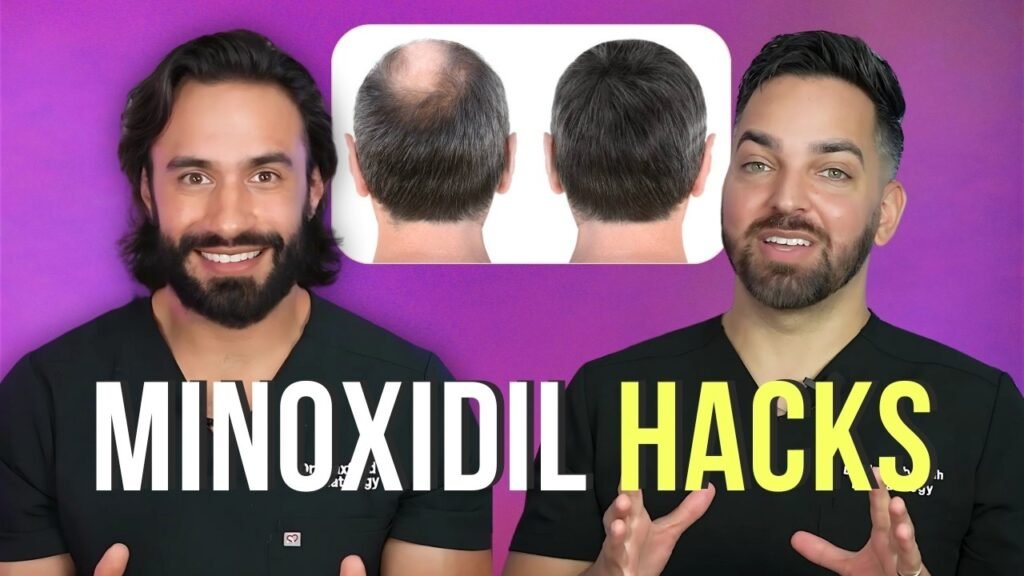
Understanding How Minoxidil Works for Hair Growth
Minoxidil is a well-known treatment in the realm of hair loss solutions, primarily recognized for its ability to stimulate hair growth. Originally developed as a medication for high blood pressure, its potential for promoting hair growth was discovered as an unexpected side effect. The active ingredient in minoxidil works by revitalizing shrunken hair follicles, effectively prolonging the growth phase of hair, which leads to increased hair density and thickness. By expanding blood vessels and improving blood flow to the hair follicles, minoxidil ensures that the follicles receive more oxygen and nutrients, which are crucial for hair growth.
The mechanism of minoxidils action is not entirely understood, but it is believed to encourage the transition of hair follicles from the resting phase (telogen) to the active growth phase (anagen). This process results in the stimulation of new hair growth and the reduction of hair loss. Available in various forms, such as topical solutions and foams, minoxidil is typically applied directly to the scalp, allowing it to target the affected areas more effectively. Consistency is key when using minoxidil; regular application as directed is essential to achieving optimal results.
Key Benefits of Minoxidil for Hair Growth:
- Increases hair follicle size, promoting thicker hair strands.
- Prolongs the anagen phase, leading to longer hair growth cycles.
- Improves scalp health by enhancing blood circulation.
While minoxidil can be an effective treatment for hair loss, it is important to note that results can vary from person to person. It may take several months of consistent use to see visible improvements. Additionally, the effects of minoxidil are generally sustained only with continued use; discontinuing the treatment often leads to the return of hair loss. As with any medication, potential side effects should be considered, and consulting with a healthcare provider before beginning treatment is advisable.
The Science Behind Minoxidil and Other Hair Products
Minoxidil, originally developed as an oral medication for high blood pressure, has garnered significant attention for its ability to stimulate hair growth. The science behind Minoxidils effectiveness lies in its role as a vasodilator. By widening blood vessels, Minoxidil enhances blood flow to the hair follicles, delivering essential nutrients and oxygen that promote healthier and thicker hair growth. This increased circulation is believed to prolong the anagen phase, or growth phase, of the hair cycle, resulting in longer and more robust hair strands. Available in both topical solutions and foams, Minoxidil is often a go-to choice for individuals experiencing androgenetic alopecia, commonly known as male or female pattern baldness.
In addition to Minoxidil, a variety of other hair products utilize different scientific principles to combat hair loss and promote hair health. Ketoconazole, an antifungal agent found in certain medicated shampoos, helps reduce inflammation and DHT levels on the scalp. DHT, or dihydrotestosterone, is a hormone linked to hair loss in genetically susceptible individuals. By lowering DHT levels, ketoconazole shampoos can create a more favorable environment for hair growth. Another notable ingredient is finasteride, a prescription medication that works by inhibiting the enzyme 5-alpha-reductase, which converts testosterone to DHT. Unlike Minoxidil, finasteride is typically taken orally and is specifically approved for use in men.
Natural oils and plant extracts also play a role in many hair products designed to support hair health. Ingredients such as rosemary oil, peppermint oil, and saw palmetto extract are often included for their potential to enhance circulation, reduce inflammation, and inhibit DHT production. While the scientific backing for these natural ingredients is less robust compared to pharmaceutical options, anecdotal evidence and preliminary studies suggest they may offer complementary benefits. Understanding the mechanisms by which these products work can empower consumers to make informed decisions about their hair care regimens.
Comparing Minoxidil with Other Popular Hair Treatments
Minoxidil is one of the most recognized names in hair loss treatments, but how does it compare to other popular options available on the market today? This section delves into the effectiveness, application methods, and side effects of Minoxidil compared to alternatives like Finasteride, low-level laser therapy, and natural remedies.
Effectiveness and Mechanism
Minoxidil works primarily as a vasodilator, promoting increased blood flow to hair follicles, which can stimulate hair growth and slow down hair loss. It is FDA-approved and available over the counter, making it a convenient option for many. In contrast, Finasteride, another FDA-approved treatment, works by inhibiting the conversion of testosterone to DHT, a hormone linked to hair loss. While Minoxidil is applied topically, Finasteride is an oral medication, which can make a difference in terms of convenience and potential systemic effects. Studies have shown that both treatments can be effective, but they often work best when used in combination.
Application Methods and User Experience
Minoxidil is available in topical solutions or foam, typically applied twice daily. This can be a drawback for users looking for a more straightforward routine. Low-level laser therapy (LLLT) offers an alternative with devices like laser combs and caps that can be used at home. These devices are used several times a week and have shown promising results, especially when used in conjunction with Minoxidil or Finasteride. Natural remedies, such as essential oils and dietary supplements, often appeal to those looking for less invasive options, but they generally lack the rigorous scientific backing that supports the effectiveness of Minoxidil and Finasteride.
Side Effects and Considerations
When comparing side effects, Minoxidil is generally well-tolerated but can cause scalp irritation or unwanted facial hair growth in some users. Finasteride, on the other hand, can have more serious side effects, including sexual dysfunction and mood changes, which may deter some users. LLLT is largely free of side effects, making it an attractive option for those sensitive to medications. However, the cost of devices can be prohibitive. Natural remedies usually have minimal side effects, but their efficacy is often inconsistent. When choosing a hair treatment, its crucial to weigh these factors and consult with a healthcare provider to determine the most suitable option for individual needs.
Benefits and Side Effects of Using Minoxidil for Hair Loss
Minoxidil is a widely recognized treatment for hair loss, particularly effective for androgenetic alopecia, or male and female pattern baldness. One of the primary benefits of using Minoxidil is its ability to stimulate hair growth by promoting increased blood flow to hair follicles. This enhancement in circulation helps in revitalizing shrunken hair follicles, encouraging them to shift into the growth phase. Many users report noticeable improvements in hair density and thickness after consistent use over several months. Additionally, Minoxidil is available over-the-counter, making it an accessible option for those seeking to manage hair loss without a prescription.
Despite its benefits, its crucial to be aware of the side effects of Minoxidil to make an informed decision about its use. Common side effects include scalp irritation, dryness, or itching, which can occur due to the alcohol-based solution used in many Minoxidil products. Some users may also experience an initial increase in hair shedding, known as «shedding phase,» as the treatment encourages the follicles to cycle into the growth phase. This can be alarming, but it is generally temporary and subsides as new hair growth becomes established.
Less Common Side Effects
While less common, some individuals may experience more severe reactions to Minoxidil. These can include unwanted facial hair growth, particularly in women, dizziness, or an irregular heartbeat. Its important for users to monitor any unusual symptoms and consult a healthcare provider if they experience adverse effects. Individuals with pre-existing heart conditions or those taking certain medications should discuss the use of Minoxidil with a doctor to avoid potential interactions. Despite these considerations, Minoxidil remains a popular choice for many seeking to combat hair loss, thanks to its proven effectiveness and ease of use.
Expert Tips on Maximizing the Effectiveness of Hair Growth Products
When it comes to achieving the best results from hair growth products, understanding the right application techniques and supportive practices is crucial. Consistency is key; ensure you apply the product as directed, usually daily or weekly, depending on the formulation. Skipping applications can hinder the progress, so integrating it into your daily routine can make a significant difference. Additionally, using a gentle scalp massage while applying these products can boost circulation, aiding in better absorption and effectiveness.
Pair with a Healthy Lifestyle
Maximizing the benefits of hair growth products goes beyond mere application. A balanced diet rich in essential nutrients like vitamins A, C, D, E, zinc, iron, and omega-3 fatty acids can significantly support hair health. These nutrients are crucial for hair strength and growth. Stay hydrated and maintain a healthy lifestyle, as stress and poor nutrition can counteract the benefits of hair growth treatments. Regular exercise can also improve blood flow, which is beneficial for hair growth.
Avoid Over-styling and Heat Damage
To ensure hair growth products work effectively, it’s important to minimize damage from styling tools and harsh chemicals. Heat styling tools, such as flat irons and blow dryers, can weaken hair, leading to breakage. Opt for heat protection sprays and limit the use of these tools to maintain hair integrity. Furthermore, choose gentle hair care products that are free from sulfates and parabens, which can strip the hair of its natural oils, making it more susceptible to damage and less responsive to growth treatments.

