
Understanding Minoxidil: What It Is and How It Works
Minoxidil is a well-known topical treatment primarily used to combat hair loss and promote hair regrowth in individuals experiencing conditions like androgenetic alopecia, commonly referred to as male or female pattern baldness. Originally developed as an oral medication for hypertension, minoxidils hair growth side effect led to the creation of topical solutions specifically targeting hair loss. Available over-the-counter in various concentrations, minoxidil is often marketed under brand names like Rogaine, and it has become a staple in the fight against thinning hair.
How Minoxidil Works
The precise mechanism by which minoxidil promotes hair growth is not entirely understood, but it is believed to work by prolonging the anagen phase of the hair growth cycle, which is the active growth phase. Minoxidil is thought to widen blood vessels and increase blood flow to hair follicles, providing them with more oxygen and nutrients, which may stimulate hair growth. Additionally, minoxidil may help to enlarge hair follicles that have shrunk due to hormonal influences, allowing them to produce thicker and longer strands of hair.
Application and Effectiveness
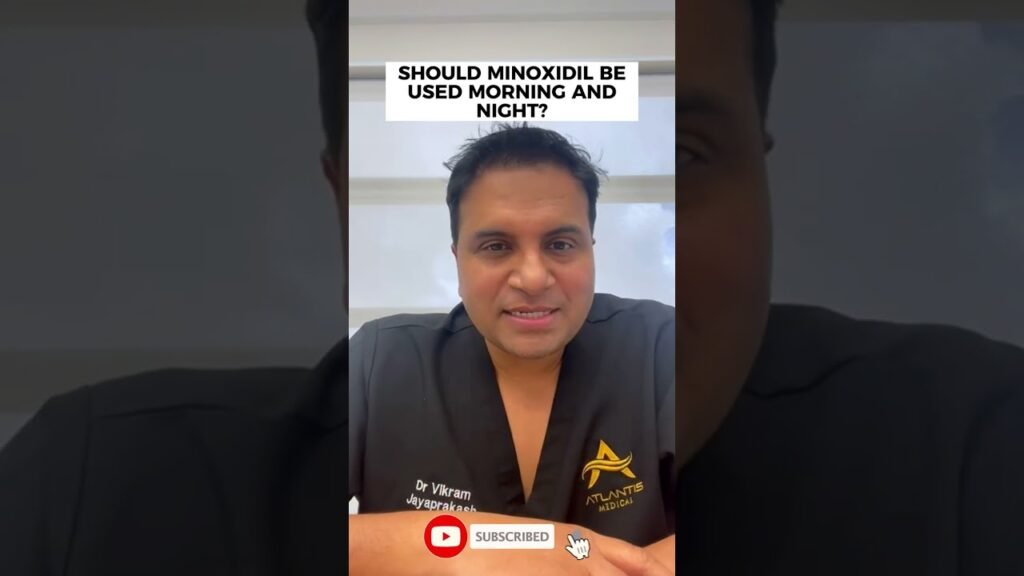
Minoxidil is typically applied directly to the scalp in liquid or foam form, with users advised to apply it consistently, usually twice daily, to see optimal results. While it can be effective in promoting hair regrowth, particularly on the crown of the head, results can vary from person to person. Some individuals may start to notice improvements within a few months, while for others, it may take longer. Its important to note that minoxidil is most effective for those who are in the early stages of hair loss and is less likely to be beneficial for individuals with complete baldness. Consistent use is crucial, as discontinuing treatment can lead to a reversal of hair growth gains.
Recommended Duration: How Long to Use Minoxidil for Optimal Results
When considering the use of Minoxidil for hair regrowth, understanding the recommended duration of treatment is crucial for achieving optimal results. Typically, dermatologists suggest that users commit to a minimum of six months to one year of consistent application. This time frame allows the medication to adequately penetrate the scalp and stimulate the hair follicles, fostering a conducive environment for hair growth. Initial results may be visible within the first three months, but the most noticeable improvements often occur after continued use over several months.
Why Consistency Matters
Consistency is key when using Minoxidil. To maximize the benefits, it is essential to apply the treatment as directed, usually twice daily for most formulations. Irregular application can disrupt the growth cycle and potentially hinder the desired results. During the first few weeks, some users may experience a temporary increase in hair shedding, a normal response indicating that Minoxidil is beginning to work by expelling weaker hairs to make way for stronger growth. Its important to persist through this phase and maintain the routine, as stopping prematurely can result in a reversal of progress.
Long-term Commitment for Sustained Results
For sustained results, a long-term commitment to using Minoxidil is often necessary. While some users may notice significant improvement within the first year, continuous application is recommended to maintain hair density and prevent future hair loss. If treatment is discontinued, any gains achieved may gradually be lost over several months, as the underlying cause of hair loss resumes its course. Therefore, users should be prepared for an ongoing regimen to ensure that the benefits of Minoxidil are preserved over time.
Factors Influencing How Long You Should Use Minoxidil
Several key factors can determine how long you should continue using minoxidil for effective results. One of the primary considerations is the stage and extent of hair loss. Individuals experiencing early-stage hair thinning might see noticeable improvements within a few months, while those with more advanced hair loss may need to use the treatment for a longer period to achieve desired outcomes. It is essential to assess the severity of your condition with a healthcare professional to tailor the duration of minoxidil use to your specific needs.
Another significant factor is your individual response to minoxidil. People react differently to this treatment, with some noticing quicker results than others. Genetics, scalp condition, and the presence of other underlying health issues can all influence how your body responds to minoxidil. Regular monitoring and consultation with a dermatologist can help determine if you should continue the treatment or explore alternative options.
Lastly, consider the consistency and adherence to the treatment regimen. Minoxidil requires regular application, usually twice daily, to maintain its effectiveness. Skipping applications or discontinuing use prematurely can impact the results and may lead to the reversal of any progress made. To maximize the benefits of minoxidil, it is crucial to adhere to the prescribed routine and make adjustments only under professional guidance.
Signs Its Time to Stop Using Minoxidil
If youre using minoxidil to combat hair loss, its crucial to recognize when it might be time to stop. One of the primary signs is the onset of severe side effects. While some users experience mild irritation or itching, more serious reactions like chest pain, dizziness, or rapid heartbeat should not be ignored. These symptoms can indicate that your body is not responding well to the treatment, and its essential to consult with a healthcare professional to determine if discontinuing use is necessary.
Another indicator that it might be time to stop using minoxidil is if you notice an increase in hair shedding after several months of consistent use. While initial shedding can be a normal part of the hair growth cycle, persistent or excessive shedding beyond the first few months may suggest that minoxidil is not the right solution for you. In such cases, it might be beneficial to explore alternative treatments or consult a dermatologist for personalized advice.
Lastly, if youve been using minoxidil for a significant period and have not observed any improvement in hair growth or thickness, it could be a sign that the product is ineffective for your specific condition. Minoxidil doesnt work for everyone, and its effectiveness can vary based on individual factors such as the cause of hair loss and overall health. If you find that your hair loss continues despite prolonged use, it may be time to discontinue minoxidil and consider other options.
Frequently Asked Questions About Minoxidil Usage Duration
How Long Should I Use Minoxidil to See Results?
The duration for which you should use minoxidil can vary depending on individual circumstances, but generally, it is recommended to use the product consistently for at least 4 to 6 months to start seeing noticeable results. Patience is key when it comes to hair regrowth, as hair follicles require time to respond to the treatment. Some users may observe improvements as early as 3 months, while others might need up to a year for significant changes. Its important to maintain a regular application routine to maximize effectiveness.
Is It Necessary to Use Minoxidil Indefinitely?
Many people wonder if they must continue using minoxidil indefinitely. The answer is generally yes, if you wish to maintain the hair growth achieved. Minoxidil does not cure hair loss; rather, it helps to stimulate hair growth and maintain existing hair. Discontinuing use may result in the gradual return of hair loss within a few months, as the effects of minoxidil wear off. Therefore, ongoing application is crucial for sustaining results.
Can I Adjust the Frequency of Minoxidil Application?
For optimal results, minoxidil should typically be applied twice daily. However, some users may have concerns about the time commitment or experience mild side effects. If this is the case, consult with a healthcare professional before making any adjustments. Some individuals may achieve results with once-daily application, but this is not universally recommended. It is essential to follow the instructions provided with your specific minoxidil product and seek professional guidance for any changes to the recommended regimen.

