
Understanding Minoxidil: What It Is and How It Works
Minoxidil is a well-known topical treatment primarily used to promote hair growth and slow down balding. Originally developed as an oral medication for high blood pressure, it was discovered that patients experienced excessive hair growth as a side effect. This led to the development of minoxidil as a topical solution specifically for treating hair loss. It is commonly available over the counter in various concentrations, with 2% and 5% solutions being the most prevalent. The product is applied directly to the scalp and is often marketed under brand names like Rogaine.
How Minoxidil Works
Minoxidils effectiveness in treating hair loss is largely attributed to its ability to stimulate hair follicles and increase blood flow to the scalp. The exact mechanism by which it promotes hair growth is not entirely understood, but it is believed that minoxidil opens up potassium channels in the scalp, leading to the dilation of blood vessels. This dilation increases blood circulation, delivering more oxygen and nutrients to the hair follicles. As a result, dormant hair follicles may be stimulated to enter the anagen (growth) phase of the hair cycle, leading to increased hair growth.
Application and Results
To achieve the best results with minoxidil, it is crucial to apply it consistently and correctly. Users are typically advised to apply the solution twice daily, directly to the areas of the scalp where hair thinning is most prominent. It is important to note that while some users may start to see improvements in hair growth within a few months, others might need to wait longer. Consistency is key, and discontinuing the use of minoxidil may result in a reversal of its effects, with hair loss potentially resuming. It is also worth mentioning that individual results can vary, and not everyone will experience significant hair regrowth.
Can Women Use Minoxidil? Exploring Its Safety and Efficacy
Minoxidil is a well-known treatment for hair loss, but its use among women often raises questions about its safety and efficacy. Originally developed as a treatment for high blood pressure, minoxidil was discovered to have the side effect of promoting hair growth, leading to its topical formulation for this purpose. While it is FDA-approved for use in women at a concentration of 2%, many women have also reported positive results using the 5% formulation, which is primarily marketed for men. Understanding how minoxidil works and its potential effects can help women make informed decisions about its use.
How Does Minoxidil Work for Women?
Minoxidil functions by stimulating hair follicles and prolonging the anagen phase of the hair growth cycle. This process helps in thickening existing hair strands and promoting new hair growth, particularly in cases of androgenetic alopecia, a common form of hair loss in women. Although the exact mechanism isnt fully understood, minoxidil is believed to enhance blood flow to the hair follicles, thereby increasing follicular size and hair shaft diameter. Women using minoxidil should be aware that results can take several months to become noticeable and continuous use is necessary to maintain hair growth.
Potential Side Effects and Considerations
While minoxidil is generally considered safe for women, there are potential side effects to be mindful of. Some women may experience scalp irritation, dryness, or unwanted facial hair growth. Its important for users to apply the product carefully and adhere to recommended guidelines to minimize these risks. Additionally, women who are pregnant or breastfeeding should consult with a healthcare professional before starting minoxidil treatment. Despite these considerations, many women find minoxidil to be an effective solution for combating hair loss, with the benefits often outweighing the drawbacks.
The Benefits of Minoxidil for Women Experiencing Hair Loss
Minoxidil is a well-regarded treatment option for women experiencing hair loss, offering several significant benefits. Originally developed as a treatment for high blood pressure, Minoxidil was found to stimulate hair growth as a side effect, leading to its widespread use in addressing hair thinning and loss. For women, this topical treatment is particularly beneficial as it can be applied directly to the scalp, targeting the affected areas efficiently.
One of the primary advantages of Minoxidil is its ability to promote hair regrowth. By increasing the size of hair follicles and extending the growth phase of the hair cycle, Minoxidil helps to produce thicker, fuller hair over time. This can be especially beneficial for women who suffer from conditions such as androgenetic alopecia, commonly known as female pattern baldness. Consistency is key, as regular application is necessary to maintain the results and prevent further hair loss.
Additionally, Minoxidil is relatively easy to incorporate into a daily routine, making it a convenient option for many women. It is available in various formulations, including a foam and a topical solution, allowing users to choose the form that best suits their preferences and scalp sensitivity. The over-the-counter availability of Minoxidil also means that women can start using the treatment without the need for a prescription, providing an accessible solution for those seeking to combat hair loss.
How to Use Minoxidil: A Step-by-Step Guide for Women
Understanding the proper application of Minoxidil is crucial for women looking to effectively address hair thinning and promote regrowth. Here’s a detailed step-by-step guide on how to incorporate this treatment into your daily routine.
Step 1: Prepare Your Scalp
Before applying Minoxidil, ensure your scalp is clean and dry. Its best to use the product after washing your hair, allowing your scalp to be free of any oils or styling products. If washing isnt possible, make sure your scalp is thoroughly dry, as moisture can dilute the effectiveness of Minoxidil.
Step 2: Measure the Correct Dosage
Using the dropper or spray applicator provided, measure the recommended dosage of Minoxidil, typically 1 milliliter. Its important to adhere to this dosage to avoid any potential side effects. The dropper usually has a marked line to help you measure the correct amount easily. If youre using a foam version, half a capful is generally sufficient.
Step 3: Apply the Product
Part your hair to expose the areas of thinning. Apply the Minoxidil directly onto the scalp, not the hair, and gently rub it in using your fingertips. Ensure even distribution across the affected area to maximize coverage and absorption. If using the foam, part your hair in several rows and apply it directly to the scalp, then massage gently.
Step 4: Let It Dry
Allow the Minoxidil to dry completely before styling your hair or going to bed. This typically takes about 2 to 4 hours. Avoid using a hairdryer on the treated areas, as the heat may reduce the product’s efficacy. Once dry, you can style your hair as usual, but avoid applying any other scalp treatments unless recommended by a healthcare professional.
Potential Side Effects of Minoxidil for Women: What to Expect
When considering the use of Minoxidil, its important for women to be aware of potential side effects. While Minoxidil is an FDA-approved treatment for hair loss, some users may experience side effects that vary in intensity. One common side effect is scalp irritation, which can manifest as dryness, itching, or redness. Women with sensitive skin may find these symptoms more pronounced, and it is advisable to conduct a patch test before full application.
Increased Hair Shedding
An initial increase in hair shedding is another side effect that women might encounter. Though it can be alarming, this is often a temporary phase and a sign that Minoxidil is beginning to work. As the hair follicles are stimulated, older hairs may shed to make way for new growth. This phase usually lasts a few weeks, but if excessive shedding continues, consulting a healthcare professional is recommended.
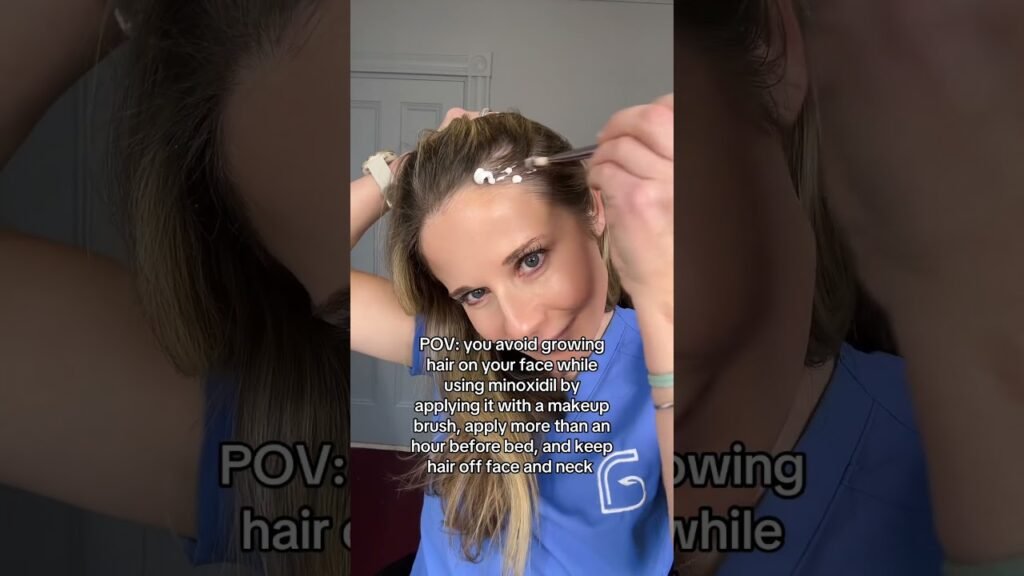
Other potential side effects include unwanted facial hair growth. This occurs because Minoxidil can stimulate hair growth in areas where it is applied. To minimize this risk, it is crucial to apply the solution only to the scalp and wash hands thoroughly after application. Some women may also experience dizziness or a rapid heartbeat, although these side effects are less common. If such symptoms arise, discontinuing use and seeking medical advice is essential.

