
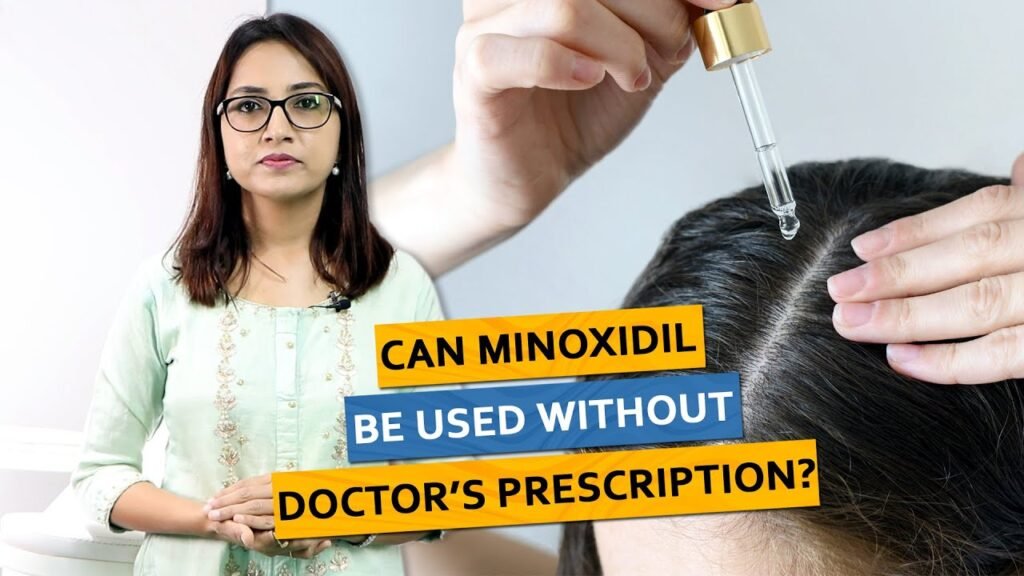
Understanding Minoxidil: Is a Prescription Necessary?
Minoxidil is a popular treatment for hair loss, commonly recognized under brand names like Rogaine. Originally developed as an oral medication for high blood pressure, minoxidils side effect of hair growth led to its topical formulation, which is now widely used for treating androgenetic alopecia. But when considering its use, many wonder: is a prescription necessary to obtain minoxidil?
In most countries, including the United States, topical minoxidil is available over-the-counter, meaning you dont need a prescription to purchase it. It can be found in various concentrations, typically 2% and 5%, and is available in different forms such as solutions and foams. The accessibility of minoxidil without a prescription allows individuals to start treatment promptly, which can be crucial in managing hair loss effectively. However, its important to follow the product instructions carefully and consult with a healthcare professional if you have underlying health conditions or are taking other medications.
While no prescription is needed for the standard over-the-counter versions, there are cases where a healthcare provider might prescribe a higher concentration or an oral form of minoxidil. This usually occurs when the typical over-the-counter options are not effective, or if a more aggressive treatment approach is warranted. Such prescriptions should be taken seriously, as higher doses can increase the risk of side effects. Its always advisable to seek medical advice to ensure the treatment is suitable for your specific condition and health profile.
The Benefits of Using Minoxidil Without a Prescription
Minoxidil, a popular treatment for hair loss, offers a range of benefits when used without a prescription. One of the primary advantages is the ease of access. Being an over-the-counter medication, minoxidil can be purchased without the need for a doctors visit, saving both time and money. This convenience is especially beneficial for individuals who are in the early stages of hair thinning and want to start treatment promptly.
Another significant benefit is the flexibility in usage. Without the constraints of a prescription, users can adjust their treatment plan according to their specific needs and observe how their body responds to the medication. This personalized approach allows users to experiment with different strengths and formulations, such as the 2% or 5% solutions, to find the most effective regimen for their hair growth.
Furthermore, using minoxidil without a prescription encourages self-education and proactive health management. Individuals often research the product, read reviews, and learn about hair loss treatments, leading to more informed decisions about their hair care routine. This proactive approach can empower users to take control of their hair health and explore complementary treatments and lifestyle changes that support their goals.
How to Safely Use Minoxidil: Prescription vs. Over-the-Counter
Minoxidil is a popular solution for hair loss, available in both prescription and over-the-counter forms. Understanding the differences between these two options is crucial for safe and effective use. Over-the-counter minoxidil is typically available in 2% and 5% concentrations, often found in liquid or foam formulations. Its widely used for treating androgenetic alopecia, commonly known as male or female pattern baldness. For those considering this option, its essential to follow the instructions on the packaging and start with the lowest concentration to minimize potential side effects like scalp irritation or unwanted facial hair growth.
In contrast, prescription minoxidil might be recommended by healthcare professionals for individuals with more severe or specific types of hair loss. Prescription formulas can include higher concentrations or additional ingredients tailored to individual needs. Before using prescription minoxidil, its vital to consult with a healthcare provider to determine the appropriate dosage and formulation. This personalized approach helps mitigate risks such as allergic reactions or interactions with other medications.
Best Practices for Application
Regardless of whether you choose over-the-counter or prescription minoxidil, adhering to proper application techniques is key to maximizing its benefits. Ensure that the scalp is clean and dry before application. Use the applicator provided to measure the correct amount, and apply it directly to the scalp, not the hair. Gently massage the solution into the scalp and wash your hands thoroughly afterward. Consistency is crucial; use minoxidil at the same time every day to maintain steady results. If you experience any adverse effects, consult with a healthcare provider to adjust your treatment plan.
Minoxidil Prescription Requirements: What You Need to Know
When considering minoxidil for hair loss treatment, understanding the prescription requirements is essential. Minoxidil is a popular topical solution widely used to stimulate hair growth and is available in various strengths. In many countries, the 2% and 5% formulations can be purchased over the counter, meaning no prescription is necessary. However, some higher concentrations or oral forms of minoxidil may require a doctors prescription due to potential side effects and the need for medical supervision.
Understanding Different Minoxidil Formulations
Minoxidil is available in different formulations, primarily as a topical solution or foam, with concentrations typically ranging from 2% to 10%. The 2% and 5% versions are most common and can often be bought without a prescription. Higher concentrations, such as 10% or oral minoxidil, usually require a prescription because they carry a higher risk of side effects, such as skin irritation or cardiovascular issues. It is crucial to consult with a healthcare provider to determine the appropriate formulation and concentration for your specific needs, especially if you are considering higher strengths.
Consulting with Healthcare Professionals
If you are contemplating using minoxidil, particularly if considering higher concentrations or oral versions, a consultation with a healthcare professional is advisable. A doctor or dermatologist can assess your individual condition, evaluate any potential risks, and determine the most suitable treatment plan. They can also provide guidance on proper application techniques and monitor your progress, ensuring that the use of minoxidil is both safe and effective. Having professional oversight can help mitigate any adverse reactions and optimize treatment outcomes.
Comparing Prescription and Non-Prescription Minoxidil: Which is Right for You?
When it comes to hair loss treatments, Minoxidil stands out as a popular option, available in both prescription and non-prescription forms. Understanding the differences between these two can help you decide which is the best choice for your specific needs. The primary distinction lies in the concentration of the active ingredient. Non-prescription Minoxidil, commonly available over the counter, typically comes in a 2% or 5% solution. In contrast, prescription Minoxidil might offer higher concentrations, potentially providing more effective results for those with severe hair loss issues.
Effectiveness and Suitability
The effectiveness of Minoxidil largely depends on individual conditions and the severity of hair loss. Non-prescription Minoxidil is generally suitable for those experiencing mild to moderate hair thinning and is a good starting point for most users. Its accessible and can be used without medical supervision, making it convenient for everyday use. On the other hand, prescription Minoxidil is often recommended for individuals with more advanced hair loss or those who havent seen results with lower concentrations. Consulting with a healthcare provider can determine if the prescription version is necessary based on your specific situation.
Potential Side Effects and Considerations
Both prescription and non-prescription Minoxidil come with potential side effects, although they are generally mild. Common side effects include scalp irritation, itching, and dryness. Higher concentrations found in prescription Minoxidil might increase the likelihood of these side effects, so it’s crucial to monitor your scalp’s reaction and consult with a healthcare professional if issues arise. Additionally, prescription Minoxidil may not be suitable for everyone, including pregnant or breastfeeding women. Understanding these factors is essential when deciding between the two options to ensure the treatment aligns with your health needs and lifestyle.

