
Understanding Minoxidil: What Is It and How Does It Work?
Minoxidil is a topical medication commonly used for the treatment of hair loss. Originally developed as an oral medication for high blood pressure, it was discovered to have a curious side effect: hair regrowth. This unexpected benefit led to its development as a topical treatment specifically for androgenetic alopecia, a common form of hair loss in both men and women. Minoxidil is available in various formulations, typically as a 2% or 5% solution, and is applied directly to the scalp.
How Minoxidil Works
The exact mechanism by which minoxidil promotes hair growth is not fully understood, but several theories have been proposed. Minoxidil is believed to work by widening blood vessels in the scalp, which may improve hair follicle function and stimulate hair growth. By enhancing blood flow to hair follicles, it is thought to extend the growth phase of hair (anagen phase), resulting in thicker and longer strands. Additionally, minoxidil may also help to increase the size of hair follicles that have been miniaturized due to androgenetic alopecia.
Application and Usage
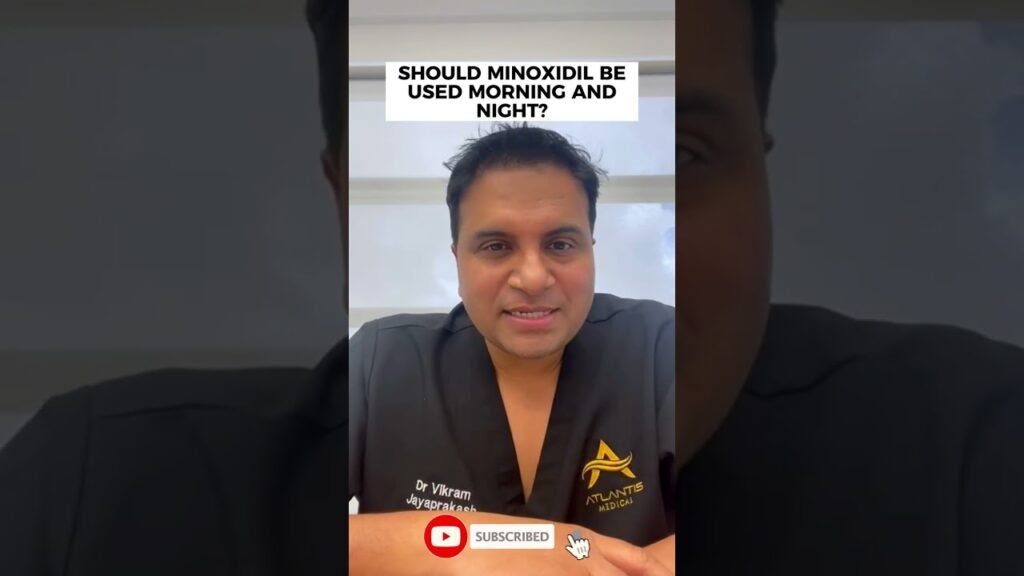
For optimal results, minoxidil should be applied consistently, usually twice a day, directly to the areas of the scalp where hair thinning is noticeable. Users may experience an initial increase in hair shedding, which is typically a sign that the product is working as older hairs are making way for new growth. It is important to note that minoxidil is most effective in individuals who are in the early stages of hair loss and is not a cure for baldness. Continuous use is required to maintain results, as stopping the treatment can lead to the resumption of hair loss.
Is It Necessary to Use Minoxidil for Hair Loss?
When it comes to addressing hair loss, the decision to use Minoxidil is often a personal one, influenced by the underlying causes and the severity of the condition. Minoxidil, a topical treatment, is one of the most well-known solutions for androgenetic alopecia, commonly known as male or female pattern baldness. Its efficacy in promoting hair regrowth and slowing hair loss progression has been documented in numerous studies, making it a popular choice among those seeking to combat thinning hair.
Understanding the Benefits of Minoxidil
For many individuals experiencing hair loss, Minoxidil offers a non-invasive option that can be easily integrated into their daily routine. The treatment is available in various concentrations, typically 2% and 5%, and is applied directly to the scalp. One of the key benefits of Minoxidil is its ability to stimulate hair follicles, potentially leading to increased hair density and thickness over time. However, its important to note that results can vary from person to person, and consistent use is often necessary to maintain any regrowth achieved.
Considering Alternative Hair Loss Treatments
While Minoxidil is a widely recognized treatment, it is not the only option available for those dealing with hair loss. Depending on the cause, some individuals might explore alternatives such as dietary changes, nutritional supplements, or other medications like finasteride. Consulting with a healthcare provider or dermatologist can help determine the most suitable approach based on individual needs and medical history. For some, addressing underlying health issues or making lifestyle adjustments may prove effective in managing hair loss without the need for topical treatments like Minoxidil.
Can You Use Minoxidil for Other Conditions?
Minoxidil is primarily known for its effectiveness in treating hair loss, specifically androgenetic alopecia. However, its potential applications extend beyond this well-known use. Originally developed as an oral medication for high blood pressure, minoxidils vasodilating properties have prompted investigations into its efficacy for other conditions. One area of interest is its use in treating certain types of alopecia other than male or female pattern baldness, such as alopecia areata. This autoimmune condition causes sudden hair loss in patches and, although not officially approved for this use, some studies suggest that minoxidil might stimulate hair regrowth in affected areas.
Beyond hair-related applications, researchers have explored minoxidils potential in treating conditions characterized by poor blood flow. Due to its ability to widen blood vessels, there is curiosity about its use in promoting healing and circulation in chronic wounds or ulcers. Although more research is needed to confirm its effectiveness in these areas, preliminary findings suggest that minoxidil could play a role in enhancing blood supply and tissue regeneration.
Additionally, minoxidils vasodilatory effects have led to investigations into its use for treating hypertension-related conditions. While its oral form is already used for severe high blood pressure, theres ongoing research into whether topical applications might offer localized benefits for certain vascular conditions. As with any off-label use, it is crucial to consult healthcare professionals before considering minoxidil for conditions other than those it is officially approved for.
Potential Side Effects of Using Minoxidil
Minoxidil is a popular topical treatment for hair loss, but like any medication, it may cause side effects in some users. Understanding these potential side effects can help users make informed decisions about its use. Common side effects of minoxidil include scalp irritation, itching, and dryness. These symptoms are generally mild and often subside as the scalp adjusts to the treatment. Its essential to apply the product only to the affected areas and follow the recommended dosage to minimize these effects.
Systemic Side Effects
Though minoxidil is primarily used topically, there are rare instances where it can cause systemic side effects. Some users have reported experiencing dizziness, headaches, or unwanted facial hair growth. These effects are more likely if the product is over-applied or used improperly. Its crucial to follow the manufacturers instructions and consult a healthcare professional if these symptoms persist or worsen. Additionally, individuals with pre-existing heart conditions should be particularly cautious, as minoxidil can sometimes affect blood pressure.
Allergic Reactions and Sensitivity
In some cases, individuals may experience allergic reactions to minoxidil. Symptoms can include rash, hives, or difficulty breathing, indicating a need for immediate medical attention. Its advisable to conduct a patch test before using the product extensively to check for any adverse reactions. Those with sensitive skin may also consider using a lower concentration of minoxidil or exploring alternative treatments to mitigate the risk of severe side effects. Always consult with a healthcare provider to discuss any concerns or to find the most suitable hair loss solution for your specific needs.
How to Effectively Use Minoxidil for Optimal Results
To achieve optimal results with Minoxidil, it is crucial to follow a consistent application routine. Minoxidil is most effective when applied twice daily, ideally once in the morning and once in the evening. Make sure to apply the solution or foam to a clean, dry scalp to enhance absorption. Use the recommended amount as specified on the product label, typically 1 ml for solutions or half a capful for foams. Massage it gently into the scalp with your fingertips, focusing on the areas experiencing hair thinning or loss. This not only ensures proper distribution but also stimulates blood circulation, which can further support hair growth.
Patience and Persistence are Key
When using Minoxidil, patience and persistence are key factors in achieving the best outcomes. Hair growth is a gradual process, and it may take several months before noticeable improvements occur. It is essential to maintain the routine without interruption, even if results are not immediately visible. Many users begin to see progress around the 4 to 6-month mark, but continued use is necessary to sustain these results. Abrupt discontinuation of Minoxidil can lead to the reversal of gains, so long-term commitment is crucial for maintaining hair growth.
Combining Minoxidil with a Healthy Lifestyle
For enhanced effectiveness, consider combining Minoxidil use with a healthy lifestyle. A balanced diet rich in vitamins and minerals, such as biotin, zinc, and iron, can support hair health. Regular exercise can improve overall circulation, potentially boosting the efficacy of Minoxidil. Additionally, managing stress through practices like meditation or yoga can positively impact hair growth, as stress is a known contributor to hair loss. By integrating these lifestyle changes, you can create a more conducive environment for Minoxidil to work, maximizing your chances of achieving the desired results.

