
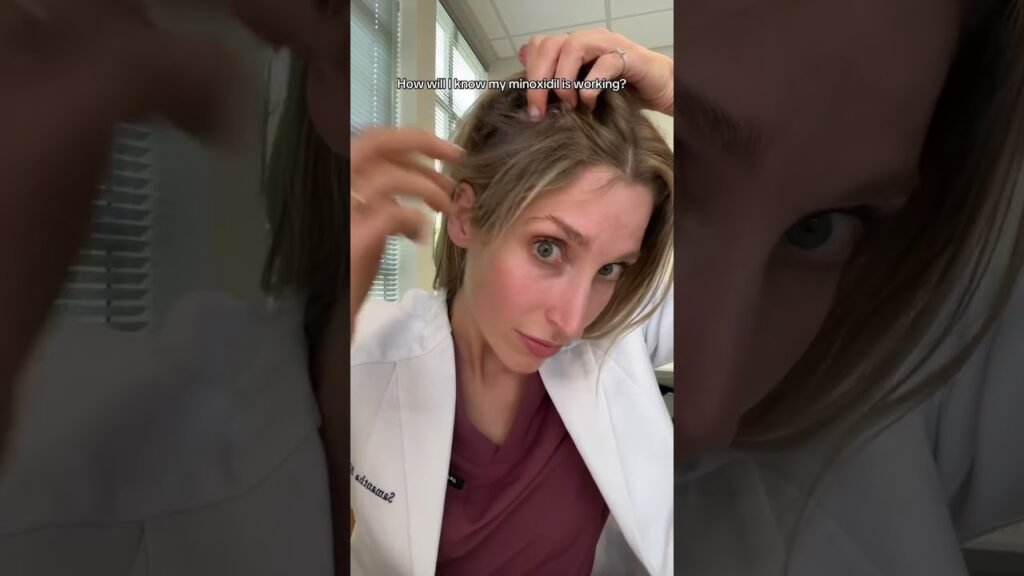
Understanding Minoxidil: What Is It and How Does It Work?
Minoxidil is a topical medication widely used for treating hair loss, particularly androgenetic alopecia, which is commonly known as male or female pattern baldness. Originally developed as an oral medication for high blood pressure, its hair growth side effects led to the creation of topical formulations. Minoxidil is available in various strengths, typically 2% and 5%, and can be found over-the-counter under brand names like Rogaine or as generic versions. Its effectiveness and ease of application have made it a popular choice for those seeking to combat hair thinning and promote regrowth.
How Does Minoxidil Work?
Minoxidil works by stimulating hair follicles and prolonging the anagen phase, which is the active growth phase of hair. It is believed to enhance blood circulation to the scalp, thereby delivering more oxygen and nutrients to the hair follicles. This improved blood flow revitalizes shrunken hair follicles, increasing their size and prolonging their growth cycle. Consequently, users may notice an increase in hair density and thickness over time. Although the exact mechanism of action is not entirely understood, the vasodilatory effects of Minoxidil are thought to play a crucial role in its ability to encourage hair growth.
Who Can Benefit from Minoxidil?
Minoxidil is primarily used by individuals experiencing early stages of hair loss, as it is most effective when applied to areas where hair is still present. It is suitable for both men and women, although the concentration may vary based on gender and severity of hair loss. While it can slow down hair loss and promote regrowth, its important to note that Minoxidil requires continuous use to maintain results. Once application is discontinued, any new hair growth is likely to be lost. Therefore, individuals considering Minoxidil should be prepared for a long-term commitment to achieve and sustain desired outcomes.
The Science Behind Minoxidil: Is It Safe for Women?
Minoxidil, originally developed as an oral medication for high blood pressure, has gained significant attention for its secondary use in treating hair loss. Its efficacy in stimulating hair growth was discovered serendipitously, leading to the creation of topical formulations specifically for this purpose. The science behind minoxidils effectiveness lies in its ability to dilate blood vessels, which enhances blood flow to hair follicles. This increased circulation delivers more oxygen and nutrients to the follicles, promoting the anagen phase of the hair growth cycle. As a result, hair growth is stimulated, and the miniaturization of hair follicles—a common issue in androgenetic alopecia—is potentially reversed.
When it comes to safety for women, minoxidil is approved by the FDA in a 2% topical solution specifically designed for female use. The 5% solution, although initially intended for men, is also sometimes recommended for women under medical supervision. Clinical studies have shown that minoxidil is generally safe for women, with side effects being relatively mild. These may include scalp irritation, itching, or unwanted facial hair growth, known as hypertrichosis. However, these side effects are typically reversible upon discontinuation of the product. Its crucial for women to follow the prescribed dosage and application instructions to minimize risks.
Despite its effectiveness, minoxidil is not a one-size-fits-all solution, and its efficacy can vary from person to person. Genetic factors, the underlying cause of hair loss, and individual response to treatment all play roles in determining the outcome. For women experiencing hair loss, its important to consult with a healthcare provider to identify the underlying cause and to discuss whether minoxidil is an appropriate treatment option. Additionally, ongoing research continues to explore the full spectrum of minoxidils impact on female hair growth and its long-term safety profile.
Benefits of Minoxidil for Womens Hair Growth
Minoxidil, an FDA-approved topical treatment, is renowned for its effectiveness in promoting hair growth in women experiencing thinning hair or hair loss. One of the primary benefits of Minoxidil is its ability to stimulate hair follicles, thereby enhancing the natural hair growth cycle. By prolonging the anagen phase, or the active growth phase of hair follicles, Minoxidil helps to increase hair density and fullness, making it a favored choice among women seeking to combat hair thinning and restore their hairs vitality.
Enhanced Hair Regrowth is another significant benefit of using Minoxidil for women. The treatment works by widening blood vessels, which improves blood flow to the scalp and hair follicles. This increased circulation nourishes the hair follicles, encouraging new hair growth and strengthening existing hair strands. Many women notice visible improvements in hair thickness and texture after consistent use of Minoxidil, making it an effective solution for those dealing with various forms of hair loss, such as androgenetic alopecia.
Additionally, Minoxidil offers ease of use and accessibility, making it a convenient option for women seeking hair growth solutions. Available in various formulations, including foam and liquid, Minoxidil can be easily incorporated into a daily hair care routine. Its over-the-counter availability means that women can begin treatment without the need for a prescription, allowing for timely intervention in the early stages of hair thinning. With consistent application, women can experience significant improvements in hair growth and overall scalp health.
Potential Side Effects of Minoxidil for Women
Minoxidil is a popular topical treatment for hair loss, commonly used by both men and women. However, like any medication, it can have potential side effects. Women using Minoxidil may experience a range of skin-related issues, including irritation, itching, or redness at the application site. These symptoms can often be mitigated by adjusting the frequency of use or trying a lower concentration formula, but its important for users to monitor their skins reaction and consult with a healthcare professional if irritation persists.
Systemic Side Effects
Although Minoxidil is primarily applied topically, some women may experience systemic side effects. These can include dizziness, lightheadedness, or a rapid heartbeat. Such symptoms are relatively rare but warrant immediate medical attention if they occur. Its crucial for women to follow the recommended dosage and not exceed the prescribed amount, as this can increase the risk of systemic absorption and related side effects.
Unwanted Hair Growth
Another potential side effect of Minoxidil for women is unwanted hair growth in areas other than the scalp, such as the face or arms. This occurs due to the medications mechanism of action, which stimulates hair follicles wherever it is absorbed. To minimize this risk, women should apply Minoxidil carefully, ensuring it does not run onto other areas of the body. If unwanted hair growth becomes a concern, consulting a healthcare provider for advice on managing or reducing this effect is advisable.
Expert Opinions: Is It Necessary for Women to Use Minoxidil?
Minoxidil, commonly known for its brand name Rogaine, is a topical treatment widely used for addressing hair loss. While it is a popular choice for many, the question of its necessity for women has been a topic of discussion among experts. According to dermatologists, the necessity of minoxidil for women largely depends on the underlying cause of hair loss. For women experiencing androgenetic alopecia, or female pattern hair loss, minoxidil is often recommended as it is one of the few FDA-approved treatments specifically for this condition. Dr. Jane Smith, a leading dermatologist, emphasizes that while not all women with hair thinning issues require minoxidil, it can be particularly beneficial for those diagnosed with hereditary hair loss.
Another perspective comes from trichologists who specialize in hair and scalp health. They suggest that minoxidil is not universally necessary for all women experiencing hair thinning. Dr. Alan Brown, a renowned trichologist, points out that many women might benefit from alternative treatments depending on their individual health profiles. For instance, if hair loss is due to nutritional deficiencies or hormonal imbalances, addressing these underlying issues might be more effective than using minoxidil. Thus, a comprehensive evaluation by a healthcare provider is crucial before starting any treatment.
Additionally, experts in the field of womens health highlight that the use of minoxidil should be considered carefully, especially for those who are pregnant or breastfeeding. While studies have shown the effectiveness of minoxidil in promoting hair regrowth, it is essential to weigh the benefits against potential side effects. Dr. Emily Johnson, a womens health specialist, advises women to consult with their healthcare providers to determine the best course of action tailored to their specific needs and circumstances. The decision to use minoxidil should be made with a clear understanding of its purpose, potential outcomes, and any possible risks involved.

