
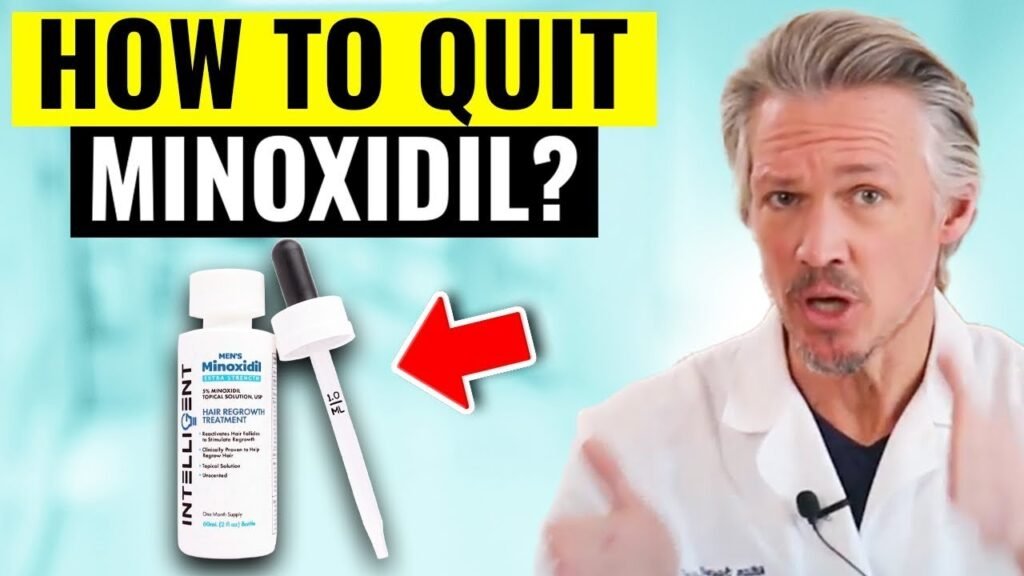
Understanding Minoxidil: What Is It and How Does It Work?
Minoxidil is a well-known over-the-counter medication used primarily for treating hair loss and promoting hair regrowth. Originally developed as an oral medication for high blood pressure, it was discovered that one of its side effects was increased hair growth. This led to the development of topical formulations specifically for addressing conditions like androgenetic alopecia, commonly known as male or female pattern baldness. Minoxidil is available in various concentrations, typically 2% and 5%, and can be found in forms such as solutions or foams, making it accessible for different user preferences.
How Minoxidil Works
Minoxidil works by revitalizing hair follicles and stimulating hair growth, though the exact mechanism is not entirely understood. It is believed to act as a vasodilator, which means it widens blood vessels, improving blood flow to the hair follicles. This enhanced circulation delivers more oxygen, nutrients, and growth factors to the hair follicles, potentially extending the anagen phase, or the active growth phase of hair. By prolonging this phase, minoxidil helps in producing longer and thicker hair strands. Additionally, it may stimulate hair follicle activity, encouraging dormant follicles to enter the growth phase.
Application and Effectiveness
For optimal results, minoxidil should be applied directly to the scalp in the areas where hair thinning is noticeable. Consistent application is crucial, as discontinuing use may result in the return of hair loss. It is important to note that minoxidil is most effective for individuals in the early stages of hair loss and may not work as well for extensive balding. Users typically start seeing visible results after several months of regular use. Its also essential to manage expectations, as individual responses to minoxidil can vary, and it might not work for everyone.
Recommended Duration for Using Minoxidil: Expert Insights
When it comes to using Minoxidil, understanding the recommended duration is crucial for achieving optimal results in hair regrowth and preventing potential side effects. According to dermatologists and hair care specialists, the typical recommendation is to use Minoxidil for at least six months to a year before assessing its effectiveness. This period allows the hair follicles to respond adequately to the treatment, as hair growth is a gradual process that requires consistency and patience.
Factors Influencing the Duration of Use
Several factors can influence the recommended duration for using Minoxidil. These include the severity of hair loss, the users age, and how the individuals body responds to the treatment. Experts suggest that younger individuals or those in the early stages of hair loss may see noticeable improvements within the initial six months. However, for those with more advanced hair thinning, a longer duration of use, possibly extending beyond a year, might be necessary to observe significant results. It is essential to monitor progress and consult with a healthcare professional to tailor the duration to your specific needs.
Continuous Use for Sustained Results
Experts emphasize that Minoxidil requires ongoing application to maintain hair regrowth results. Discontinuing the treatment often leads to the gradual reversal of gains, as the hair follicles may return to their previous state of inactivity. Therefore, users should be prepared for long-term commitment, integrating Minoxidil into their daily routine to sustain the benefits. Regular check-ins with a dermatologist can help track progress and make any necessary adjustments to the treatment plan.
Signs That You May Need to Stop Using Minoxidil
Using minoxidil can be an effective solution for hair loss, but it is essential to be aware of any adverse reactions that may indicate the need to discontinue its use. One of the primary signs that you should consider stopping minoxidil is the development of severe skin irritation. Redness, itching, or burning at the application site can be more than just minor side effects; they might signal an allergic reaction or sensitivity to the product. If these symptoms persist or worsen, it is crucial to consult with a healthcare professional to determine whether to cease usage.
Unexpected Hair Loss
While minoxidil is intended to promote hair growth, experiencing unexpected hair loss can be a concerning sign. Initially, some users may notice increased hair shedding as the follicles transition into a new growth phase. However, if excessive shedding continues beyond the initial weeks of treatment, it could indicate that minoxidil is not suitable for you. This paradoxical effect warrants a discussion with a dermatologist or healthcare provider to explore alternative treatments.
Systemic Side Effects
In rare cases, minoxidil can cause systemic side effects that may necessitate stopping its use. Symptoms such as dizziness, rapid heartbeat, or swelling in the hands and feet are indicators that the medication might be affecting your cardiovascular system. These side effects are uncommon but should be taken seriously. If you experience any of these symptoms, it is advisable to discontinue use immediately and seek medical advice to ensure your safety and well-being.
Potential Consequences of Stopping Minoxidil Too Soon
Deciding to discontinue Minoxidil prematurely can lead to several notable consequences, primarily revolving around the reversal of hair growth progress. Minoxidil is a well-known treatment for hair loss, especially effective in conditions like androgenetic alopecia. However, its efficacy is largely contingent on continuous use. If you stop using Minoxidil abruptly, you may notice a gradual shedding of the hair that had regrown during the treatment period. This occurs because Minoxidils mechanism of action is to stimulate hair follicles, and ceasing its use can cause these follicles to revert to their previous state.
Increased Hair Shedding
One of the immediate consequences of stopping Minoxidil too soon is increased hair shedding. Users often report a noticeable increase in hair loss within a few months after discontinuing the treatment. This shedding is not only distressing but can also lead to a significant reduction in hair density. The hair that falls out is usually the same hair that had regrown due to Minoxidil, highlighting the importance of continued use to maintain results.
Psychological Impact
The psychological impact of stopping Minoxidil too soon should not be underestimated. For many individuals, hair plays a crucial role in self-esteem and confidence. Experiencing a sudden loss of hair growth progress can lead to anxiety, stress, and a decrease in self-confidence. These psychological effects can be as challenging as the physical symptoms, underscoring the importance of consulting with a healthcare professional before making any changes to your hair loss treatment regimen.
Consulting a Healthcare Professional: Making the Right Decision on Minoxidil Usage
When considering the use of Minoxidil for hair loss treatment, consulting a healthcare professional is a crucial step. This consultation can provide personalized advice tailored to your specific health needs and hair loss condition. Minoxidil, an FDA-approved topical treatment, is widely used for stimulating hair growth, but it is essential to determine if it is the right solution for you. A healthcare professional can assess your medical history, evaluate potential side effects, and ensure that Minoxidil does not interact with any medications you may currently be taking.
Understanding Your Hair Loss Condition
A healthcare professional can help diagnose the underlying cause of your hair loss, which is vital before starting any treatment. Hair loss can result from various factors, including genetics, hormonal changes, or underlying medical conditions. By understanding the root cause, a healthcare provider can guide you in choosing the most effective treatment plan. This step is especially important because Minoxidil is primarily effective for certain types of hair loss, such as androgenetic alopecia, and may not be suitable for other conditions.
Discussing Potential Side Effects and Precautions
Before starting Minoxidil, its important to discuss potential side effects with a healthcare professional. While generally safe for many users, some individuals may experience side effects like scalp irritation, unwanted facial hair growth, or changes in hair texture. A healthcare provider can help you weigh these risks against the benefits, ensuring that you make an informed decision. Additionally, they can advise on the correct application techniques and dosage to maximize the effectiveness of the treatment while minimizing any adverse effects.

