
Understanding Minoxidil: What is It?
Minoxidil is a well-known topical medication primarily used to treat hair loss and stimulate hair regrowth. Initially developed as an oral medication for high blood pressure, it was discovered to have a significant side effect: unwanted hair growth. This led to the development of topical formulations specifically targeting hair loss conditions such as androgenetic alopecia, commonly known as male and female pattern baldness.
How Does Minoxidil Work?
Minoxidil works by revitalizing shrunken hair follicles, thereby increasing their size and extending the growth phase of the hair cycle. Although the exact mechanism isnt fully understood, it is believed to enhance blood flow to the hair follicles, providing essential nutrients and oxygen that promote hair growth. Available in various concentrations, typically 2% for women and 5% for men, Minoxidil is applied directly to the scalp where hair thinning is observed.
Usage and Application
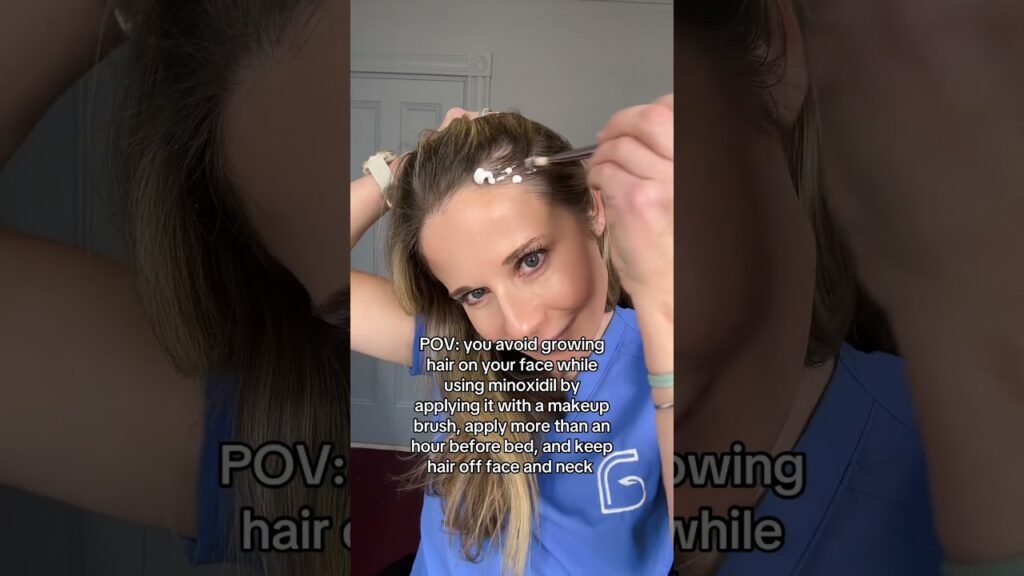
Applying Minoxidil is straightforward but requires consistency for optimal results. Users are advised to apply it twice daily to the affected areas of the scalp. It is crucial to follow the application instructions meticulously, as improper use can affect its efficacy. While it is generally well-tolerated, some users may experience side effects such as scalp irritation or unwanted facial hair growth, particularly if the solution drips or spreads beyond the intended area.
Is Minoxidil Safe for Women?
Minoxidil, widely recognized under the brand name Rogaine, is a popular topical treatment for hair loss. Originally approved for men, it has gained traction among women experiencing thinning hair or female pattern baldness. The safety of Minoxidil for women has been a subject of numerous studies and clinical trials. Generally, it is considered safe for female use when applied according to prescribed guidelines. The FDA has approved a 2% Minoxidil solution specifically for women, highlighting its safety profile and effectiveness in promoting hair regrowth.
Common Side Effects
While Minoxidil is deemed safe for women, some may experience side effects. Commonly reported side effects include scalp irritation, itching, or dryness. These effects are typically mild and manageable with appropriate scalp care or by adjusting the frequency of application. Its crucial for users to apply Minoxidil only to the scalp and avoid contact with other areas of the body to minimize the risk of unwanted hair growth. Women who are pregnant or breastfeeding should consult their healthcare provider before using Minoxidil to ensure it aligns with their health needs.
Precautions and Considerations
Women considering Minoxidil should take certain precautions to maximize safety and effectiveness. Its important to follow the recommended dosage and application instructions to avoid adverse effects. Additionally, users should be aware that initial shedding of hair might occur when starting the treatment, which is a normal part of the hair growth cycle. Consistent use over several months is typically required to see noticeable results. Women with underlying health conditions or those taking medications should discuss Minoxidil use with their healthcare provider to rule out potential interactions or contraindications.
Benefits of Using Minoxidil for Women
Minoxidil, a popular over-the-counter treatment, offers several benefits for women experiencing hair thinning or hair loss. One of the primary advantages of using Minoxidil is its ability to stimulate hair growth by revitalizing hair follicles. By increasing blood flow to the scalp, Minoxidil encourages dormant hair follicles to enter the anagen (growth) phase, leading to the regrowth of healthier and thicker hair strands. This is particularly beneficial for women dealing with androgenetic alopecia, a common form of hair loss.
Another significant benefit of Minoxidil for women is its convenience and ease of use. Available in topical solutions and foam formulations, Minoxidil can be easily incorporated into daily hair care routines. The application process is straightforward, requiring only a few minutes each day to apply directly to the scalp. This simplicity makes it an accessible option for women seeking an effective hair loss treatment without the need for complicated procedures or professional interventions.
Proven Efficacy and Safety
Clinical studies have consistently demonstrated the efficacy and safety of Minoxidil for women. Research indicates that regular use of Minoxidil can lead to visible improvements in hair density and thickness within several months. Moreover, Minoxidil is approved by the FDA for the treatment of female pattern hair loss, underscoring its reliability as a scientifically validated option. While some users may experience mild side effects, such as scalp irritation or dryness, these are typically manageable and do not outweigh the potential benefits for most women seeking to improve their hair health.
How Women Can Use Minoxidil Effectively
Women experiencing hair thinning or loss can benefit from using Minoxidil, a topical treatment known for promoting hair regrowth. To use Minoxidil effectively, its crucial to follow the recommended guidelines to ensure optimal results. Begin by applying the product directly to the scalp in the areas where hair is thinning. Consistency is key; applying Minoxidil twice daily, typically in the morning and evening, will help maintain the treatments effectiveness. Its important to use the correct amount, usually 1 mL per application, to cover the affected areas adequately.
Preparing the Scalp
Before applying Minoxidil, ensure your scalp is clean and dry. Washing your hair with a gentle shampoo can help remove excess oils and buildup, which might hinder the absorption of the treatment. After washing, allow your hair and scalp to dry completely, as a dry scalp enhances the absorption of Minoxidil. Avoid using hair products like gels or sprays before application, as these can create a barrier that reduces the treatments efficacy.
Application Techniques
When applying Minoxidil, use the dropper or spray applicator provided with the product to deliver the solution directly to the scalp. Gently massage the solution into the scalp using your fingertips to ensure even distribution and absorption. Avoid washing your hair for at least four hours after application to allow the treatment to fully penetrate the scalp. Incorporating Minoxidil into your daily routine, such as applying it before brushing your teeth or during your skincare regimen, can help establish consistency and enhance results.
Possible Side Effects of Minoxidil for Women
Minoxidil, a popular treatment for hair loss, can have several side effects in women. While many women use minoxidil without significant issues, it is important to be aware of potential adverse reactions. Some common side effects include scalp irritation, dryness, and itching. These symptoms can often be managed by adjusting the application frequency or using a gentle, hydrating shampoo to soothe the scalp.
Unwanted Facial Hair Growth
One notable side effect of minoxidil in women is the potential for unwanted facial hair growth. This can occur if the product inadvertently spreads to areas of the face during application. To minimize this risk, it is crucial to apply the solution carefully, focusing only on the affected areas of the scalp. If facial hair growth becomes a concern, consulting with a healthcare provider for guidance is recommended.
Systemic Side Effects
Though rare, systemic side effects may occur when using minoxidil. These can include dizziness, headaches, or a rapid heartbeat. Such reactions are uncommon, but if experienced, it is important to discontinue use and seek medical advice promptly. Monitoring your bodys response to minoxidil and being aware of any unusual symptoms can help ensure a safe and effective treatment experience.

