
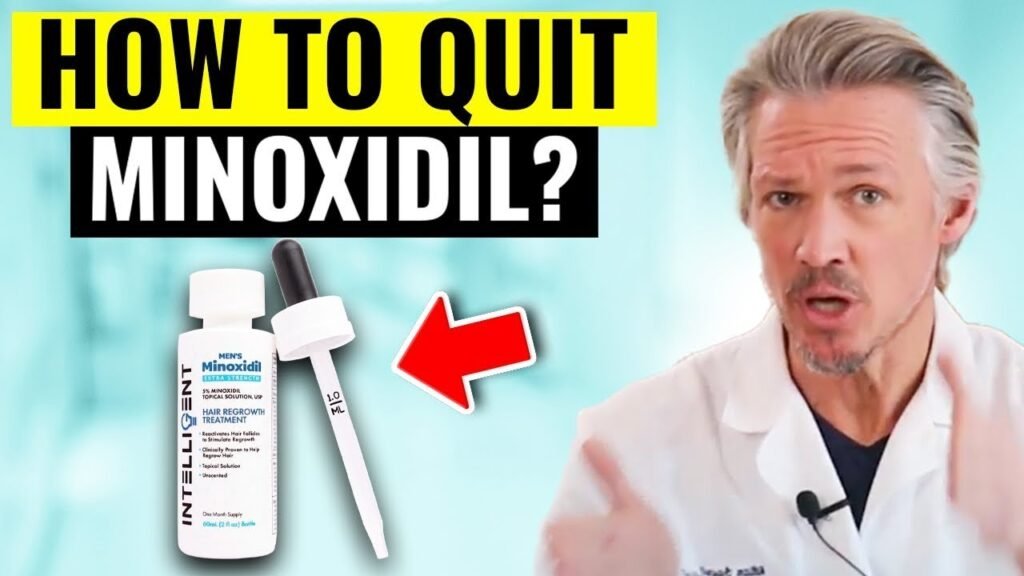
Understanding Minoxidil: What It Is and How It Works
Minoxidil is a topical medication widely recognized for its effectiveness in treating hair loss and promoting hair regrowth. Originally developed as an oral medication for high blood pressure, it was discovered that one of its side effects was increased hair growth. This led to the development of topical formulations specifically designed to combat hair thinning and baldness. Minoxidil is commonly available in concentrations of 2% and 5%, and it is marketed under various brand names, including Rogaine and Regaine. It is important to note that minoxidil is FDA-approved for use in both men and women, although the formulations and recommended concentrations may differ.
How Minoxidil Works
The exact mechanism by which minoxidil stimulates hair growth is not entirely understood, but it is believed to work by prolonging the anagen phase of the hair growth cycle. The anagen phase is the active growth phase, and by extending its duration, minoxidil allows hair follicles to produce longer and thicker strands. Minoxidil also enhances blood flow to the hair follicles by dilating the blood vessels in the scalp. This increased circulation delivers more oxygen and nutrients to the follicles, which may further support hair growth. Additionally, minoxidil may increase the size of hair follicles that have shrunk due to androgenetic alopecia, allowing them to produce healthier hair.
When applying minoxidil, it is crucial to follow the instructions carefully to achieve optimal results. Consistent application, typically twice daily, is necessary to maintain the effects, as discontinuation of treatment can lead to the reversal of hair regrowth. Users may notice initial shedding, which is a normal part of the process as older hairs are pushed out to make way for new growth. Its important to have realistic expectations, as individual results can vary, and it may take several months to see significant improvements.
Can You Safely Mix Minoxidil with Other Hair Products?
When incorporating minoxidil into your hair care routine, its crucial to understand how it interacts with other hair products. Minoxidil, a popular over-the-counter treatment for hair loss, primarily works by stimulating hair follicles, promoting hair growth. However, when used in conjunction with other hair products, some precautions are necessary to ensure both effectiveness and safety.
Before mixing minoxidil with other products, consider the types of products youre using. Avoid using products that contain alcohol or harsh chemicals, as these can irritate the scalp and potentially reduce the effectiveness of minoxidil. Opt for gentle, sulfate-free shampoos and conditioners that wont strip the scalp of its natural oils. When using styling products, ensure they are applied after minoxidil has fully dried to prevent any interference with absorption.
If youre using additional topical treatments or medications for hair loss, its advisable to consult with a healthcare professional or dermatologist. They can provide personalized advice based on your specific needs and conditions. Some ingredients in topical treatments might counteract the benefits of minoxidil or increase the risk of side effects. Be particularly cautious with products containing corticosteroids or retinoids, as they can affect skin permeability and potentially alter minoxidils effectiveness.
Best Practices for Combining Minoxidil with Shampoos and Conditioners
When incorporating minoxidil into your hair care routine, its crucial to understand how to effectively combine it with shampoos and conditioners to maximize its benefits. Minoxidil is a topical treatment widely used for hair regrowth, and using it correctly alongside other hair products can enhance its efficacy. To begin with, always apply minoxidil to a clean, dry scalp. This ensures that the treatment can be absorbed efficiently without interference from oils or residue from other products. Its advisable to wash your hair with a gentle, sulfate-free shampoo before application to maintain a healthy scalp environment conducive to hair growth.
Timing is another essential factor when combining minoxidil with shampoos and conditioners. After applying minoxidil, its best to wait at least 4 hours before washing your hair again. This waiting period allows the treatment to penetrate the scalp effectively. If you prefer using conditioners, opt for lightweight, leave-in formulas that wont weigh down your hair or interfere with the absorption of minoxidil. Avoid applying conditioner directly to the scalp; instead, focus on the mid-lengths and ends of your hair to prevent potential buildup that might hinder the treatments effectiveness.
For those who use styling products, its beneficial to apply them only after the minoxidil has dried completely. This approach prevents any potential dilution or obstruction of the treatment. Incorporating a clarifying shampoo into your routine once a week can also help remove any buildup from conditioners or styling products, ensuring that your scalp remains receptive to minoxidil. By following these best practices, you can create an optimal environment for minoxidil to work, promoting healthier and more robust hair growth.
Potential Side Effects of Mixing Minoxidil with Other Hair Treatments
When combining minoxidil with other hair treatments, its crucial to be aware of the potential side effects that may arise. Minoxidil, a well-known topical solution for hair loss, can interact with other treatments, leading to unexpected outcomes. These interactions can vary depending on the type of treatment being used alongside minoxidil.
Scalp Irritation and Allergic Reactions
One of the most common side effects of mixing minoxidil with other hair products is scalp irritation. When used in conjunction with treatments containing harsh chemicals or alcohol-based solutions, minoxidil can exacerbate skin sensitivity, resulting in redness, itching, or a burning sensation. Allergic reactions, although rare, can also occur. Its essential to perform a patch test before combining treatments to minimize the risk of adverse reactions.
Increased Hair Shedding
Another potential side effect is increased hair shedding, which can be alarming for users. This shedding phase, known as «telogen effluvium,» can occur when minoxidil is used alongside other treatments that accelerate the hair growth cycle. While this process is usually temporary and a sign that new hair growth is on the way, it can be distressing for those unaware of this possibility.
Altered Efficacy of Treatments
Combining minoxidil with other treatments might also alter the effectiveness of either product. Some active ingredients can counteract each others benefits, leading to reduced efficacy. For instance, using oils or heavy conditioners shortly after applying minoxidil might hinder its absorption into the scalp, diminishing its impact. To optimize results, it is recommended to consult a healthcare professional or dermatologist before mixing treatments.
Expert Tips on Using Minoxidil Alongside Hair Growth Supplements
When it comes to optimizing hair regrowth, combining minoxidil with hair growth supplements can be a highly effective strategy. Minoxidil, a topical solution, works by stimulating hair follicles and increasing blood flow to the scalp, while supplements provide essential nutrients that support hair health from within. To maximize the benefits, experts recommend a few key practices.
Consistency is Key
One of the most important tips is to maintain a consistent routine. Apply minoxidil twice daily, as recommended, and take your hair growth supplements at the same time each day. Consistency helps ensure that your hair follicles receive a steady supply of both topical and nutritional support. Experts suggest setting reminders or integrating these steps into your daily routine, such as applying minoxidil after brushing your teeth in the morning and evening, and taking supplements with breakfast or dinner.
Monitor Your Scalps Reaction
Its crucial to pay attention to how your scalp reacts when using both treatments. While minoxidil is generally safe, some users may experience irritation or dryness. In such cases, dermatologists recommend using a gentle, sulfate-free shampoo and a moisturizing conditioner to soothe the scalp. Additionally, ensure that your supplements contain biotin, zinc, and vitamin D, as these nutrients are known to promote scalp health and reduce inflammation.
Consult with a Healthcare Professional
Before starting any new hair growth regimen, its advisable to consult with a healthcare professional, especially if you are considering combining treatments. A doctor or dermatologist can help determine the appropriate dosage and formulation for your specific needs, as well as monitor your progress. They can also advise on any potential interactions between minoxidil and the supplements you choose, ensuring a safe and effective hair growth journey.

