Side-by-side review of Oral minoxidil vs topical
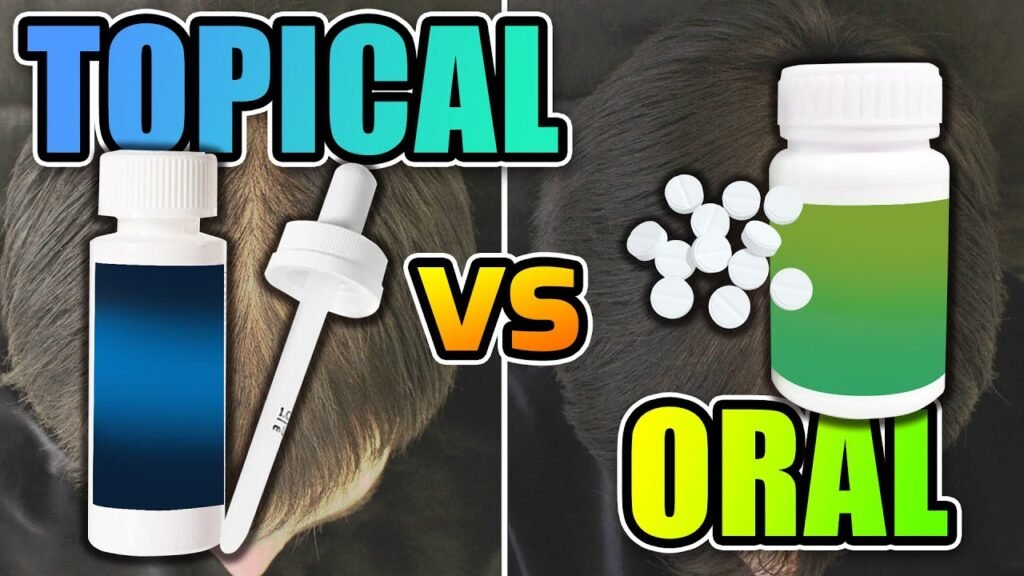
When it comes to combating hair loss, both oral minoxidil and topical minoxidil are popular treatments, each with distinct characteristics and benefits. Understanding these differences can help individuals choose the most suitable option for their needs. Oral minoxidil, initially approved for hypertension, has shown promising results in hair regrowth due to its systemic effects, improving blood flow and nutrient delivery to hair follicles. Conversely, topical minoxidil, available in various strengths, is directly applied to the scalp, focusing its effects locally to stimulate hair growth.
One of the primary distinctions between these two forms of minoxidil is the method of application and absorption. Oral minoxidil is ingested and works internally, affecting the entire body. This can lead to more widespread results but also increases the potential for systemic side effects, such as changes in blood pressure or heart rate. In contrast, topical minoxidil is applied directly to the scalp, minimizing systemic absorption and thereby reducing the risk of broader side effects. However, it may take longer to see results as it targets only the applied area.
When considering the efficacy of each treatment, studies suggest that both forms can be effective, but the choice may depend on individual preferences and medical conditions. Topical minoxidil is often favored for its ease of use and lower risk profile, especially for those with existing cardiovascular concerns. Meanwhile, oral minoxidil may be considered for individuals who have not seen desired results with topical treatments, offering a more aggressive approach to stimulating hair growth. Users should consult with healthcare providers to determine the best option, considering potential side effects and personal health conditions.