
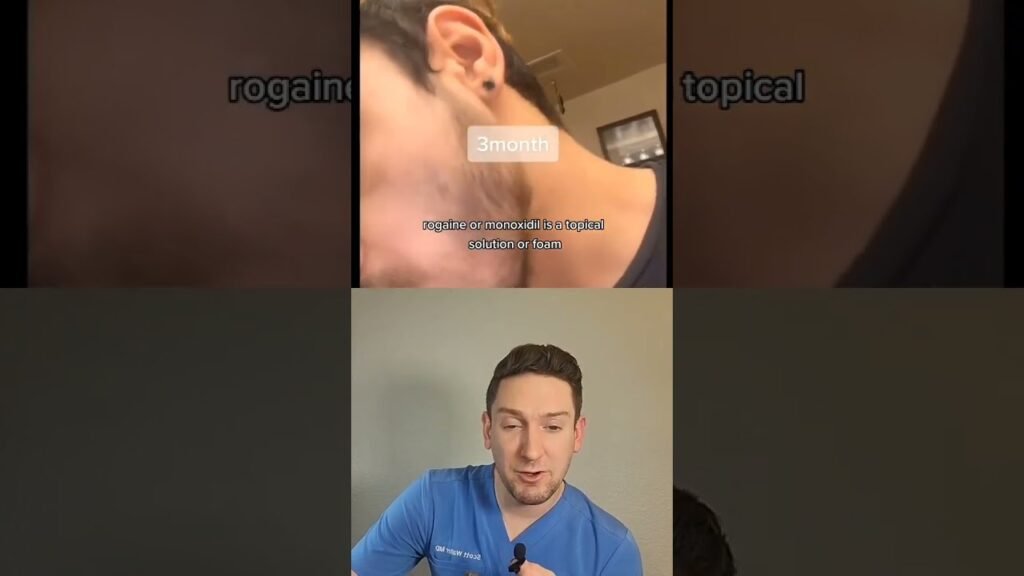
What is Minoxidil and How Does It Work for Beard Growth?
Minoxidil is a topical medication originally developed to treat high blood pressure, but it has gained popularity for its ability to promote hair growth. While it is widely recognized for its effectiveness in treating male pattern baldness, its off-label use for beard growth has garnered significant attention. Minoxidil works by widening the blood vessels, which improves blood flow to hair follicles, providing them with more nutrients and oxygen. This process helps stimulate hair growth, making it a popular choice for those looking to enhance their beards thickness and fullness.
How Minoxidil Stimulates Beard Growth
The mechanism through which Minoxidil stimulates beard growth involves the prolongation of the anagen phase, the active growth phase of hair follicles. By extending this phase, Minoxidil encourages more hair follicles to remain in the growth cycle, resulting in denser and more visible facial hair. Additionally, Minoxidil is believed to increase the size of hair follicles, which contributes to the development of thicker hair strands. Its important to note that while Minoxidil is effective for many users, results can vary based on individual factors such as genetics and hormonal levels.
Application and Considerations
For those considering using Minoxidil for beard growth, its essential to follow a consistent application routine. Typically, Minoxidil is applied twice daily to the desired areas of the face. Users should ensure their skin is clean and dry before application to maximize absorption. Its also crucial to be patient, as noticeable results may take several months to appear. Potential side effects, such as skin irritation or dryness, should be monitored, and users are advised to consult with a healthcare professional if any adverse reactions occur. Overall, Minoxidil offers a promising solution for individuals seeking to enhance their beard growth, but it requires commitment and adherence to the recommended guidelines.
Benefits of Applying Minoxidil on Your Beard
Applying Minoxidil to your beard can significantly enhance facial hair growth, offering a promising solution for those struggling with patchy or sparse beards. Originally developed as a treatment for scalp hair loss, Minoxidil has gained popularity for its off-label use in promoting beard growth. One of the primary benefits is its ability to stimulate dormant hair follicles, encouraging them to transition into the active growth phase. This process can result in a fuller, thicker beard over time, which is particularly beneficial for individuals who naturally have thin or uneven facial hair.
Another key advantage of using Minoxidil on your beard is the improvement in hair density and coverage. As the hair follicles are activated, users often notice an increase in the number of hair strands, leading to a more uniform appearance. This can be particularly advantageous for individuals looking to achieve a specific beard style that requires a denser growth pattern. Additionally, Minoxidils effects are not limited to existing hair; it can also encourage the growth of new hair in areas where facial hair was previously absent, allowing for more styling versatility.
Moreover, applying Minoxidil to your beard can lead to faster hair growth. Users frequently report accelerated results, observing noticeable changes within a few months of consistent application. This accelerated growth can be particularly appealing for those who are eager to achieve their desired beard length and thickness without prolonged waiting periods. Its important to follow a regular application schedule to maximize these benefits and to ensure that the treatment is as effective as possible.
How to Properly Apply Minoxidil on Your Beard for Best Results
To achieve optimal results with minoxidil on your beard, its crucial to start with a clean and dry face. Before application, wash your face thoroughly using a mild cleanser to remove any dirt or oil that may hinder the absorption of minoxidil. Pat your face dry with a clean towel, ensuring that your skin is completely dry before moving on to the next step. Proper preparation of the skin is essential for maximizing the effectiveness of the treatment.
Applying Minoxidil
Begin by dispensing the recommended amount of minoxidil solution or foam onto your fingertips or a dropper. Use the correct dosage as indicated on the product label, usually around 1 ml per application. Gently massage the solution into the areas of your beard where you desire growth. Its important to apply the product evenly, ensuring that it covers all targeted areas. Avoid over-application, as this will not enhance results and may lead to skin irritation.
Post-Application Care
After applying minoxidil, allow it to dry completely, which typically takes about 2 to 4 hours. Refrain from touching or washing your face during this time to ensure the solution is fully absorbed. For best results, incorporate this routine into your daily schedule, applying minoxidil consistently, typically twice a day, or as directed by your healthcare provider. Consistency is key to seeing noticeable improvements in beard growth over time.
Potential Side Effects of Using Minoxidil on Your Beard
Minoxidil, while popular for its efficacy in promoting hair growth, may present several potential side effects when used on the beard. Understanding these side effects is crucial for anyone considering this treatment. One of the most common side effects is skin irritation. Users may experience redness, itching, or a burning sensation in the area where the product is applied. This irritation is often due to the alcohol and propylene glycol present in many minoxidil formulations, which can be harsh on sensitive facial skin.
Unwanted Facial Hair Growth
Another possible side effect is the unintended growth of hair in areas adjacent to the beard. Minoxidil can stimulate hair follicles wherever it comes into contact with the skin, leading to unwanted facial hair growth. This means that users need to be meticulous in their application, ensuring the product does not spread beyond the targeted beard area. Accidental spread can result in hair growth on cheeks or other parts of the face, which might not be desirable for everyone.
Systemic Side Effects
While minoxidil is primarily used topically, some users may experience systemic side effects, although these are less common. These can include dizziness, heart palpitations, or headaches. Such side effects occur because a small amount of the drug can be absorbed into the bloodstream, affecting the cardiovascular system. It is important for users to monitor any unusual symptoms and consult a healthcare professional if they suspect that minoxidil is affecting them systemically. Always following the recommended dosage and usage instructions can help minimize these risks.
Is Applying Minoxidil on Your Beard the Right Choice for You?
Minoxidil, commonly known for its effectiveness in treating hair loss on the scalp, has gained popularity among those looking to enhance their beard growth. If youre considering using minoxidil on your beard, its crucial to understand how it works and whether its the right choice for you. Minoxidil is a topical solution that promotes hair growth by stimulating hair follicles and increasing blood flow to the area. While it is FDA-approved for scalp use, applying it to your beard is considered an off-label use. Before proceeding, its essential to weigh the potential benefits against the possible side effects and consult with a healthcare professional.
When deciding if minoxidil is suitable for your beard growth journey, consider your current beard growth pattern and your desired outcome. Some individuals may experience patchy beard growth due to genetics or hormonal factors, and minoxidil might help fill in those gaps. However, results can vary significantly from person to person. Its important to set realistic expectations and understand that consistent application over several months is usually required to see noticeable improvements. Keep in mind that once you stop using minoxidil, any new growth might gradually diminish.
Possible Side Effects and Considerations
Using minoxidil on your beard can come with side effects such as skin irritation, dryness, or redness. Its advisable to start with a small amount to test your skins reaction and gradually increase the dosage as tolerated. Additionally, consider the time and commitment involved in applying the solution daily, as well as the financial investment over time. If you have sensitive skin or a history of allergic reactions, its even more critical to proceed with caution. Consulting with a dermatologist can provide personalized advice and help determine if minoxidil is the right choice for your beard growth goals.

