
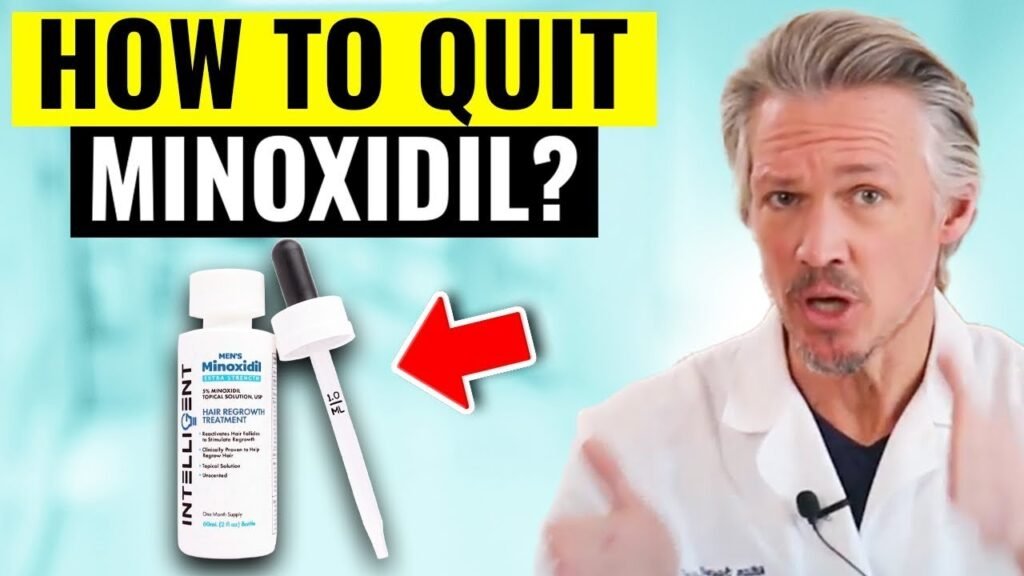
Understanding Minoxidil: What Is It and How Does It Work?
Minoxidil is a topical medication widely recognized for its effectiveness in treating hair loss. Originally developed as an oral medication for high blood pressure, it was discovered to have an interesting side effect: promoting hair growth. This led to its adaptation as a topical solution specifically for addressing issues of hair thinning and pattern baldness. Minoxidil is now commonly available in various forms, including liquid and foam, and is typically applied directly to the scalp.
How Does Minoxidil Work?
The exact mechanism by which minoxidil promotes hair growth is not entirely understood, but it is known to have a multi-faceted approach. Primarily, minoxidil is believed to stimulate hair follicles by prolonging the anagen phase of the hair growth cycle. This is the active phase where hair cells rapidly divide and new hair is formed. By extending this phase, minoxidil encourages the growth of thicker and longer strands of hair. Additionally, minoxidil is a vasodilator, meaning it widens blood vessels, thereby improving blood flow to the hair follicles. This increased circulation can enhance the delivery of nutrients and oxygen to the hair follicles, promoting healthier hair growth.
Who Can Benefit from Minoxidil?
Minoxidil is typically recommended for individuals experiencing androgenetic alopecia, commonly known as male or female pattern baldness. It has been approved for use in both men and women, although the concentration and application frequency may vary. For men, a 5% concentration is often recommended, while women may be advised to use a 2% or 5% solution, depending on their specific condition and tolerance. Its important to note that minoxidil is most effective for individuals in the early stages of hair loss and is less likely to be beneficial for those with extensive baldness. Regular and consistent application is key to seeing results, and users should be prepared to commit to ongoing use to maintain any hair regrowth achieved.
Why Consider Stopping Minoxidil for Beard Growth?
When exploring the reasons to stop using Minoxidil for beard growth, its essential to weigh the potential side effects and personal health concerns. Minoxidil, originally designed for treating hair loss on the scalp, can sometimes cause skin irritation, redness, or allergic reactions when applied to the face. For individuals with sensitive skin or allergies, these side effects can outweigh the benefits of increased beard growth. Its crucial to prioritize skin health and comfort, and discontinuing Minoxidil may be necessary to prevent further irritation or adverse reactions.
Another consideration is the commitment required for continuous use. Minoxidil needs to be applied consistently to maintain results, which can become a time-consuming routine. Some users may find the daily application inconvenient, especially if it interferes with their lifestyle or personal grooming habits. Additionally, once the treatment is stopped, the gains in beard density may gradually diminish, leading some to question whether the ongoing effort is worth the temporary results.
Lastly, individuals may decide to stop using Minoxidil for beard growth due to the potential impact on their overall well-being. While some experience significant improvements in facial hair density, others may feel anxious or stressed about the process and outcomes. Balancing mental health and self-image is crucial, and for some, opting for a more natural approach to beard growth, free from pharmaceutical interventions, may be the preferred path.
Steps to Safely Discontinue Minoxidil for Your Beard
When considering how to safely discontinue the use of Minoxidil for your beard, its crucial to follow a strategic approach to minimize potential side effects and maintain any gains youve achieved. The process involves a gradual reduction in application frequency and close monitoring of your skin and beard health. Here are some essential steps to ensure a smooth transition.
Step 1: Gradual Reduction
Begin by slowly decreasing the frequency of Minoxidil application. If youve been applying it twice daily, reduce it to once daily for a couple of weeks. This gradual reduction helps your skin adjust to the change and reduces the risk of sudden hair shedding. After two weeks, continue to taper the usage to every other day, and then eventually to once or twice a week. This methodical approach can help maintain the hair growth youve achieved while minimizing shock to your hair follicles.
Step 2: Monitor Your Skin and Hair
As you reduce the usage of Minoxidil, its important to closely monitor your skin and hair condition. Look for any signs of irritation, dryness, or unexpected hair loss. Incorporate a nourishing beard oil or moisturizer to keep your skin hydrated and support healthy hair. If you notice any adverse reactions, consider pausing the reduction and consulting with a dermatologist for tailored advice.
Step 3: Support with a Healthy Routine
Complement the discontinuation process with a healthy beard care routine. Focus on maintaining a balanced diet rich in vitamins and minerals that promote hair health, such as vitamins A, C, and E, biotin, and zinc. Regularly wash and condition your beard to keep it clean and manageable. Additionally, consider incorporating natural growth stimulants, like essential oils, to support your beards health during this transition phase.
Expected Changes After Stopping Minoxidil on Beard Growth
When you decide to stop using minoxidil for beard growth, its crucial to understand the potential changes you might experience. Minoxidil, a popular hair growth treatment, is often used off-label to promote beard growth due to its ability to stimulate hair follicles. However, discontinuing its use can lead to certain changes in your facial hair.
Reduction in Beard Density
One of the most common changes after stopping minoxidil is a reduction in beard density. While using minoxidil, many users notice an increase in the number of hair follicles actively producing hair. Once you stop using the product, some of these follicles may revert to their original state, resulting in a sparser beard. Its important to note that this change may not be immediate, as it can take several weeks or months for the effects of minoxidil to completely diminish.
Changes in Hair Texture and Thickness
Another expected change is the alteration in hair texture and thickness. During minoxidil use, you might experience thicker and coarser beard hair. After discontinuation, some users report that their beard hair becomes finer and softer. This change can be attributed to the decreased stimulation of hair follicles, which can affect the overall quality of the beard hair.
Potential Shedding Phase
Some individuals may also experience a temporary shedding phase after stopping minoxidil. This shedding is often a part of the natural hair growth cycle and can occur as the hair follicles adjust to the absence of the medication. While this can be concerning, its usually a short-lived phase and may not significantly impact long-term beard growth. Maintaining a healthy lifestyle and beard care routine can help manage this transition period effectively.
Alternatives to Minoxidil for Maintaining a Healthy Beard
When seeking alternatives to Minoxidil for promoting a healthy beard, natural oils and essential oils are among the most popular choices. Jojoba oil and argan oil are particularly well-regarded for their ability to moisturize the skin and hair follicles, thereby encouraging healthy beard growth. These oils are rich in vitamins and minerals that nourish hair strands and can help prevent breakage, allowing for a fuller, healthier beard. Essential oils like peppermint oil and rosemary oil are also believed to stimulate blood circulation to the hair follicles, potentially enhancing growth when used regularly.
Another promising alternative is biotin supplementation, which is often recommended for those looking to improve the health of their hair. Biotin, a B-vitamin, plays a crucial role in the production of keratin, a protein that is a key structural component of hair. Regular intake of biotin, whether through dietary sources like eggs and nuts or through supplements, can contribute to stronger and more resilient beard hair. However, it is essential to consult with a healthcare provider before starting any new supplement regimen.
Additionally, lifestyle factors such as a balanced diet and proper hydration are vital for maintaining a healthy beard. Consuming a diet rich in vitamins and minerals, including vitamin E, zinc, and omega-3 fatty acids, can support overall hair health. Foods like leafy greens, fish, and seeds are excellent sources of these nutrients. Staying well-hydrated helps maintain skin elasticity and supports the overall health of hair follicles, creating a favorable environment for beard growth. Regular exercise can also improve blood circulation, further supporting hair health.

