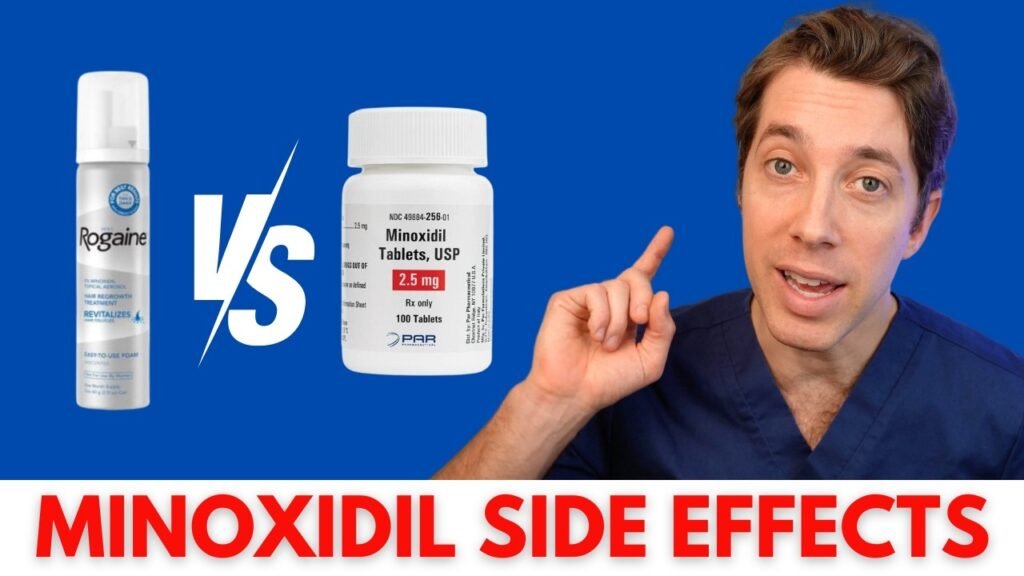
Understanding Minoxidil: An Overview
Minoxidil is a widely recognized topical treatment primarily used to stimulate hair growth and slow down hair loss in individuals experiencing androgenetic alopecia, commonly known as male or female pattern baldness. Originally developed as an oral medication for high blood pressure, its hair growth side effects led to its adaptation into a topical solution. Available in various strengths, typically 2% and 5%, Minoxidil is applied directly to the scalp, where it works by revitalizing shrunken hair follicles, prolonging the growth phase of hair, and potentially increasing hair thickness.
How Minoxidil Works
The exact mechanism by which Minoxidil promotes hair growth is not entirely understood, but it is believed to function as a vasodilator, improving blood flow to the hair follicles. This increased circulation may enhance follicular size and activity, leading to the regrowth of hair. Additionally, Minoxidil may prolong the anagen phase, the active growth phase of hair, thereby allowing hair strands to grow longer and thicker. The topical application requires consistent use, as discontinuation can result in the resumption of hair loss.
Application and Usage
Proper application of Minoxidil is crucial for optimal results. Users should apply the recommended dosage to a clean, dry scalp, usually twice daily. The solution should be gently massaged into the scalp and left to dry naturally. Patience is key, as visible results typically take three to six months to appear. Its important to follow instructions carefully and avoid overuse, as this does not speed up hair growth and may increase the risk of side effects.
Potential Side Effects of Long-term Minoxidil Use
Minoxidil is a popular over-the-counter treatment for hair loss, often used for its effectiveness in stimulating hair growth. However, like any medication, long-term use of minoxidil may lead to certain side effects that users should be aware of. One of the most commonly reported side effects is scalp irritation. This can manifest as itching, redness, or dryness at the site of application. Over time, prolonged exposure may exacerbate these symptoms, potentially leading to discomfort or a need to discontinue use.
Systemic Effects
While minoxidil is primarily a topical treatment, there are instances where it can cause systemic effects, especially with prolonged use. Some users may experience unwanted hair growth in areas other than the scalp, such as the face or hands. This occurs when minoxidil is absorbed into the bloodstream and affects hair follicles in unintended areas. Although this is less common, it is a consideration for those using the product over a long period.
Changes in Hair Texture and Color
Another potential side effect of long-term minoxidil use is a change in hair texture and color. Some users have reported that their hair becomes coarser or changes color after extended use. While this may not be a significant issue for everyone, it can be concerning for those who prefer a particular hair texture or color. These changes are typically not permanent and may reverse after discontinuing the product, but they can be distressing for some individuals during use.
Long-term Commitment and Monitoring
Its essential for users of minoxidil to understand that its benefits and side effects can vary from person to person. Regular monitoring and consultation with a healthcare provider can help manage any adverse effects that arise from long-term use. Being informed about these potential side effects ensures that users can make educated decisions about their hair loss treatment options and take proactive steps to mitigate any unwanted outcomes.
Health Risks Associated with Extended Minoxidil Application
Extended use of minoxidil, a popular topical solution for hair regrowth, can pose several health risks that users should be aware of. While generally considered safe for short-term use, prolonged application may lead to unwanted side effects. One of the primary concerns is skin irritation, which can manifest as redness, itching, or a rash on the scalp. These symptoms occur because some individuals may have sensitive skin that reacts adversely to the alcohol or propylene glycol components in the formulation.
Potential Systemic Effects
Though minoxidil is intended for topical use, theres a possibility that it could be absorbed into the bloodstream, especially when applied in excessive amounts. This absorption can lead to systemic effects such as dizziness, rapid heartbeat, or swelling in the hands and feet. These symptoms suggest that the body is reacting to the drug as if it were taken orally, which could be dangerous, particularly for individuals with pre-existing cardiovascular conditions. Its crucial to follow the recommended dosage and consult a healthcare provider if any systemic symptoms are observed.
Impact on Hair and Scalp Health
Another risk associated with long-term minoxidil use is the potential for negative impacts on hair and scalp health. Prolonged application can sometimes lead to changes in hair texture, making it feel dry or brittle. This may be due to the alcohol content in the solution, which can strip the hair and scalp of natural oils. Additionally, some users have reported increased shedding initially, which might persist if the product is used beyond the recommended period. Monitoring these changes and seeking advice from a dermatologist can help manage these risks effectively.
Managing and Mitigating Risks of Long-term Minoxidil Use
Long-term use of minoxidil, a popular treatment for hair loss, can pose certain risks that require careful management and mitigation strategies. One of the primary concerns with prolonged application is skin irritation, including itching, redness, and dryness of the scalp. To address these issues, it is advisable to conduct a patch test before starting the treatment to ensure compatibility. Incorporating a gentle, hydrating shampoo and conditioner into your hair care routine can help maintain scalp health and minimize irritation. Additionally, consulting with a dermatologist to tailor the treatment to your specific needs can prevent adverse reactions.
Another potential risk associated with extended minoxidil use is unwanted hair growth in areas where the solution might accidentally spread, such as the face or neck. To mitigate this, users should apply the product carefully and precisely, using a dropper or spray applicator to control the amount and location of application. Washing hands thoroughly after each application and avoiding contact with other skin areas can further reduce the likelihood of unwanted hair growth. If excessive hair growth occurs, seeking professional advice is crucial to adjust the application technique or concentration of the product.
Monitoring and managing potential systemic side effects is also important for those using minoxidil over a long period. Although rare, some individuals may experience symptoms such as dizziness, rapid heartbeat, or swelling in extremities, which could indicate systemic absorption of the medication. Regular check-ups with a healthcare provider can help detect any unusual symptoms early. Adjusting the dosage or frequency of application under medical supervision can mitigate these risks, ensuring that the benefits of minoxidil use outweigh any potential drawbacks.
Consulting Healthcare Professionals About Minoxidil Use
When considering the use of minoxidil for hair regrowth, its essential to consult healthcare professionals to ensure its suitability for your specific needs. Minoxidil, a topical solution commonly used to treat hair loss, can have varying effects depending on individual health conditions and medication interactions. Consulting with a healthcare provider can help determine the appropriate concentration and usage frequency, minimizing potential side effects and optimizing results.
Discussing Health History and Current Medications
Before starting minoxidil, it is crucial to discuss your health history and any current medications with a healthcare professional. Certain medical conditions, such as heart disease or scalp conditions, may influence the suitability of minoxidil. Additionally, interactions with medications like blood pressure drugs need to be carefully evaluated. A healthcare provider can assess these factors to provide personalized advice, ensuring that minoxidil is a safe option for you.
Understanding Potential Side Effects and Monitoring
A healthcare professional can also provide insight into the potential side effects of minoxidil use. Common side effects include scalp irritation, itching, and unwanted facial hair growth. By consulting with a healthcare provider, you can learn how to manage these effects effectively and understand when to seek further medical advice. Regular monitoring and follow-up appointments may be recommended to track progress and adjust the treatment plan as needed, ensuring the best possible outcome for your hair regrowth journey.