
Understanding Minoxidil: What Is It and How Does It Work?
Minoxidil is a topical medication widely recognized for its role in treating hair loss. Originally developed as an oral medication for high blood pressure, it was discovered that one of the side effects was excessive hair growth. This led to the development of minoxidil as a topical treatment specifically targeting hair loss. It is commonly used to treat androgenetic alopecia, which is a hereditary condition that results in thinning hair and balding. Available over the counter in various forms, including liquid solutions and foams, minoxidil is marketed under several brand names, with Rogaine being one of the most well-known.
How Does Minoxidil Work?
Minoxidils exact mechanism of action in promoting hair growth is not completely understood, but it is believed to work by partially enlarging hair follicles and elongating the growth phase of hair. This effect helps to increase the size of the hair follicles, allowing for the growth of thicker and longer hair strands. Minoxidil is also thought to improve blood flow to the scalp, which can deliver more nutrients and oxygen to the hair follicles, promoting healthier hair growth. It is important to note that minoxidil is most effective in the early stages of hair loss and requires consistent application over a period of months to see noticeable results.
While minoxidil can be effective in stimulating hair growth, it is not a cure for baldness. Continuous use is necessary to maintain results, as discontinuing treatment will likely lead to the resumption of hair loss. Users may experience some side effects, such as scalp irritation or unwanted facial hair growth, but these are generally mild and tend to subside with regular use. As with any medication, its essential to follow the recommended guidelines and consult with a healthcare professional if you have any concerns.
Can Women Use Minoxidil for Hair Loss Treatment?
Minoxidil is a well-known treatment for hair loss that has gained popularity among both men and women. Originally introduced as a medication for high blood pressure, its hair regrowth side effects led to its approval for treating androgenetic alopecia, commonly known as pattern hair loss. Women can indeed use minoxidil for hair loss treatment, and it is often recommended by dermatologists as an effective solution for female pattern hair loss, which typically manifests as thinning hair on the top and crown of the scalp.
How Does Minoxidil Work for Women?
Minoxidil works by stimulating hair follicles and increasing blood flow to the scalp, which can help promote hair regrowth. For women, the 2% and 5% topical solutions or foams are commonly prescribed. While the exact mechanism is not fully understood, minoxidil is believed to prolong the anagen phase, or the active growth phase of hair, thereby increasing hair density and reducing hair thinning. Consistency is key, as results may take several months to become noticeable, and discontinuing use can lead to a reversal of benefits.
Considerations and Side Effects
Before starting minoxidil, women should be aware of potential side effects, which can include scalp irritation, dryness, and unwanted facial hair growth. It is crucial to apply the product as directed and consult with a healthcare provider to determine the appropriate concentration and application frequency. Additionally, women who are pregnant or breastfeeding should seek medical advice before using minoxidil, as its effects on fetal development and nursing infants are not fully understood.
Benefits of Minoxidil for Women: Is It Effective?
Minoxidil, a popular topical treatment, has been increasingly recognized for its effectiveness in addressing female hair loss. Originally approved by the FDA for male pattern baldness, its benefits for women have become evident through various studies and personal testimonials. One of the primary advantages of Minoxidil for women is its ability to stimulate hair growth by promoting blood flow to the hair follicles. This increased circulation helps in revitalizing shrunken hair follicles, allowing them to enlarge and eventually regrow thicker hair.
Promotes Hair Regrowth
For women experiencing thinning hair or hair loss, Minoxidil can be a game-changer. By extending the anagen phase, or the active growth phase of hair follicles, Minoxidil helps in producing longer and denser hair strands. Many women report noticeable improvement in hair thickness and coverage, particularly in areas like the crown and hairline. While results can vary, consistent application as directed often leads to visible improvements within three to six months.
Easy to Use and Accessible
Another significant benefit of Minoxidil is its ease of use. Available in both liquid and foam formulations, it can be seamlessly incorporated into a daily hair care routine. Applying Minoxidil is straightforward, typically requiring application to the scalp once or twice daily, depending on the products concentration. Moreover, Minoxidil is widely accessible, with over-the-counter availability in most pharmacies, making it a convenient option for women seeking an effective hair loss treatment without a prescription.
Safety and Side Effects
While Minoxidil is generally safe for most women, it is essential to be aware of potential side effects. Some users may experience mild scalp irritation or dryness. However, these side effects are often temporary and can be managed with proper scalp care and by following product instructions carefully. It is always recommended to consult with a healthcare professional before starting any new treatment, especially for individuals with sensitive skin or pre-existing scalp conditions.
How to Use Minoxidil Safely: A Guide for Women
Minoxidil is a popular topical treatment for hair loss in women, but its crucial to use it safely to achieve the best results. Before starting, consult with a healthcare provider to ensure its appropriate for your specific condition. Always follow the prescribed dosage and application instructions to minimize potential side effects. Minoxidil is typically applied twice daily to the scalp, and using more than recommended wont accelerate results.
Application Tips
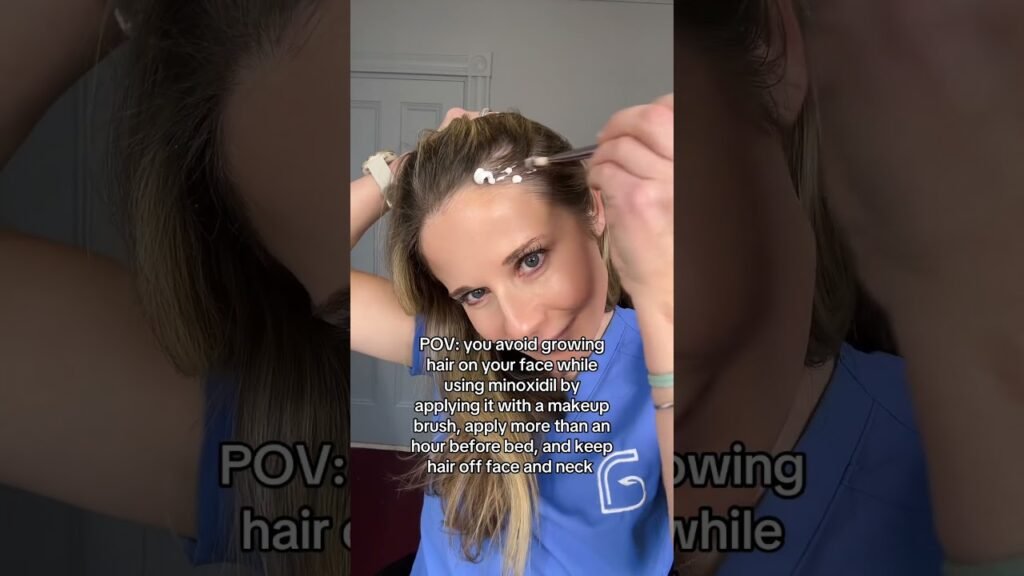
When applying Minoxidil, start with a clean, dry scalp to maximize absorption. Use the dropper or spray provided to target thinning areas directly, gently massaging the solution into the scalp with your fingertips. Avoid washing your hair for at least four hours after application to allow the product to penetrate effectively. Its essential to wash your hands thoroughly after each application to prevent the solution from spreading to other areas, which could cause unwanted hair growth.
Potential Side Effects and Precautions
While Minoxidil is generally safe for most women, some may experience side effects such as scalp irritation or unwanted facial hair growth. To mitigate these risks, ensure that the solution is applied only to the scalp and avoid contact with other skin areas. If you notice severe irritation or other adverse effects, discontinue use and consult a healthcare professional. Regularly monitor your progress and communicate with your doctor to adjust the treatment as needed.
Potential Side Effects of Minoxidil in Women: What to Expect
When using Minoxidil, a popular treatment for hair loss, women may experience a range of side effects. Understanding these potential reactions is crucial for those considering or currently using this medication. One of the most common side effects reported is scalp irritation, which can manifest as itching, redness, or a burning sensation. This occurs because Minoxidil stimulates hair follicles, which can sometimes lead to increased sensitivity in the scalp area.
Another side effect that women might encounter is unwanted facial hair growth. Since Minoxidil is a vasodilator, it can promote hair growth in areas beyond the scalp, leading to the development of facial hair, particularly around the cheeks and forehead. This side effect is more likely when the medication is used in higher concentrations, so it is essential to follow the recommended dosage to minimize this risk.
Increased hair shedding is also a potential side effect, especially when first starting the treatment. While it might seem counterintuitive, this phenomenon, known as «shedding,» is often a sign that the medication is working. As Minoxidil stimulates hair follicles, older hairs may fall out to make way for new growth. Although this can be alarming, it is usually temporary and should subside as the treatment progresses. However, if shedding persists, consulting a healthcare provider is advisable to ensure the treatment is appropriate.

