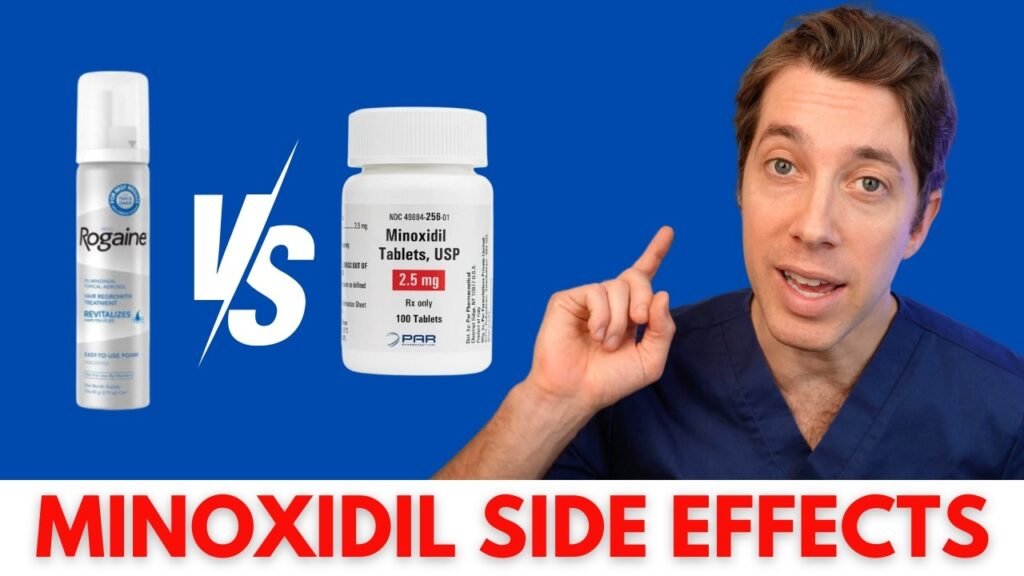
Understanding Minoxidil: An Overview of Its Uses and Benefits
Minoxidil is a well-known medication primarily used for the treatment of hair loss in both men and women. Originally developed as an oral medication for high blood pressure, its ability to stimulate hair growth was discovered as a side effect. Today, minoxidil is most commonly available as a topical solution or foam, applied directly to the scalp. It is particularly effective for individuals experiencing androgenetic alopecia, commonly known as male or female pattern baldness. By prolonging the growth phase of hair follicles, minoxidil helps increase hair density and thickness over time.
How Minoxidil Works
The exact mechanism by which minoxidil promotes hair growth is not entirely understood, but it is believed to improve blood flow to the hair follicles, providing them with more nutrients and oxygen. This enhanced blood circulation may help revive shrunken hair follicles, encouraging them to produce thicker, stronger hair. Additionally, minoxidil is thought to open potassium channels in cells, which can further stimulate hair growth. Users typically apply minoxidil to the affected areas of the scalp twice daily, with visible results often appearing after several months of consistent use.
Benefits of Using Minoxidil
One of the primary benefits of minoxidil is its accessibility and ease of use. Available over the counter without a prescription, it provides a convenient solution for those seeking to combat hair loss. Moreover, minoxidil is generally well-tolerated, with minimal side effects for most users. Some people may experience mild scalp irritation or dryness, but these can often be managed with moisturizing shampoos or conditioners. Importantly, minoxidil offers a non-invasive alternative to surgical hair restoration methods, making it an attractive option for many individuals looking to improve their hair density and appearance.
Common Side Effects of Minoxidil: What Users Need to Know
When considering the use of minoxidil, a popular treatment for hair loss, its crucial to be aware of the potential side effects that may accompany its application. While minoxidil is generally well-tolerated, some users might experience adverse reactions. Understanding these side effects can help individuals make informed decisions about their hair loss treatment.
Topical Application Side Effects
One of the most common side effects associated with the topical application of minoxidil is scalp irritation. Users may notice symptoms such as itching, dryness, flaking, or redness at the site of application. These symptoms are typically mild and can often be managed by adjusting the frequency of application or using a moisturizing shampoo. In rare cases, individuals may develop an allergic reaction characterized by more severe irritation, which may necessitate discontinuing use.
Systemic Side Effects
Although rare, some users might experience systemic side effects when using minoxidil. These can include dizziness, headaches, or an increased heart rate. Such reactions are uncommon and usually occur when minoxidil is absorbed into the bloodstream in significant amounts. If you experience any of these symptoms, it is advisable to consult a healthcare professional to assess whether continuing the treatment is safe for you.
Unwanted Hair Growth
Another side effect that some users may encounter is unwanted hair growth in areas adjacent to the application site. This can occur when minoxidil inadvertently spreads to areas where hair growth is not desired, such as the forehead or face. To minimize this risk, it is essential to apply the product precisely as directed and wash hands thoroughly after application.
Real User Experiences with Minoxidil: Success Stories and Challenges
Minoxidil, a popular over-the-counter treatment for hair loss, has garnered a variety of user experiences ranging from resounding success to notable challenges. Many individuals have reported significant improvements in hair density and growth, often citing increased confidence and satisfaction with their appearance. Users have shared stories of noticing new hair growth within a few months of consistent application, with some even documenting their progress through photos and videos on social media platforms. These success stories highlight Minoxidils potential to transform not only hairlines but also personal self-esteem.
However, while numerous users celebrate their victories with Minoxidil, others have encountered challenges that can temper expectations. Some individuals experience side effects such as scalp irritation, dryness, or unwanted facial hair growth, which can deter continued use. For others, the necessity of ongoing application to maintain results is a commitment that proves difficult to uphold, leading to discontinuation and subsequent hair loss. These challenges underscore the importance of understanding that Minoxidil may not be a one-size-fits-all solution and that results can vary significantly from person to person.
To provide a balanced view, its crucial to consider both the positive outcomes and the hurdles faced by users. Many have found that incorporating additional hair care practices, such as using gentle shampoos and conditioners, can mitigate some side effects, allowing them to continue benefiting from Minoxidil. Online forums and support groups serve as valuable resources where users share tips, offer encouragement, and discuss both triumphs and setbacks. By exploring these real user experiences, prospective Minoxidil users can better prepare for their journey, setting realistic expectations and strategies to achieve their hair growth goals.
Managing Minoxidil Side Effects: Tips and Recommendations
Minoxidil is a popular treatment for hair loss, but it can come with side effects. Understanding how to manage these effects is crucial for anyone using this medication. Some common side effects include scalp irritation, dryness, and unwanted facial hair growth. To mitigate scalp irritation, consider using a moisturizing shampoo and conditioner specifically designed for sensitive skin. These products can help soothe the scalp and reduce dryness, making your Minoxidil treatment more comfortable.
Adjusting Application Techniques
Proper application of Minoxidil can significantly impact the severity of side effects. Ensure that you are applying the recommended amount—usually 1 ml—directly to the scalp, not the hair. Use your fingertips to gently massage the solution into the scalp, which can help with absorption and minimize the risk of irritation. Additionally, washing your hands thoroughly after application can prevent the spread of Minoxidil to other areas of the body, thereby reducing the chance of unwanted hair growth.
Incorporating a Routine
Incorporating Minoxidil into your daily routine at consistent times can help manage side effects. Applying the treatment once in the morning and once at night allows your scalp to adjust gradually, potentially reducing irritation. Keeping a consistent schedule also helps ensure that you do not miss doses, which can maximize the effectiveness of the treatment while minimizing adverse reactions. If you experience severe side effects, consult with a healthcare professional to discuss possible adjustments or alternatives.
Minoxidil Reviews: Evaluating the Pros and Cons Based on User Feedback
When it comes to hair loss treatments, Minoxidil has long been a go-to solution for many individuals seeking to regrow thinning hair. User reviews provide a wealth of insights into the effectiveness and potential drawbacks of this popular treatment. One of the most frequently mentioned pros is the noticeable improvement in hair thickness and density after consistent use. Many users report seeing visible results within three to six months, which aligns with clinical recommendations for usage duration. The ease of application, available in both foam and liquid forms, also adds to its appeal, making it a convenient addition to daily routines.
However, user feedback also highlights several cons associated with Minoxidil use. A common concern is the potential for side effects such as scalp irritation, dryness, and itching. These adverse effects can deter some users from continuing treatment. Additionally, several reviews mention the necessity of ongoing application to maintain results, as discontinuing use often leads to the reversal of hair regrowth. This dependency can be seen as a downside for those seeking a more permanent solution.
Success Stories and Challenges
Many users share success stories, praising Minoxidil for restoring their confidence and improving their hair’s appearance. Before-and-after photos often accompany these testimonials, showcasing significant transformations. On the flip side, there are users who express disappointment, noting minimal to no improvement despite prolonged use. Such experiences underscore the variability in results, which can depend on factors like individual response and the stage of hair loss at treatment onset. Ultimately, Minoxidil reviews reveal a diverse range of experiences, emphasizing the importance of personal trial and error in determining its suitability.