
Understanding Minoxidil: What It Is and How It Works
Minoxidil is a popular over-the-counter medication primarily used to treat hair loss and promote hair regrowth. Originally developed as an oral medication for high blood pressure, it was discovered that one of its side effects was increased hair growth. This led to the development of topical minoxidil, which is now widely used to treat conditions like androgenetic alopecia, commonly known as male or female pattern baldness. Available in various forms such as solutions and foams, minoxidil is applied directly to the scalp, making it a convenient option for those experiencing thinning hair.
How Minoxidil Works
The exact mechanism by which minoxidil stimulates hair growth is not fully understood, but it is believed to work by enhancing blood flow to the hair follicles. By dilating the blood vessels in the scalp, minoxidil increases the supply of oxygen and nutrients to the hair follicles, thereby encouraging stronger and healthier hair growth. Additionally, it is thought to prolong the anagen phase, the active growth phase of the hair cycle, allowing hair to grow longer and thicker. This dual action makes minoxidil an effective treatment for many individuals struggling with hair loss.
Application and Usage
To achieve the best results with minoxidil, it is important to follow the recommended application guidelines. Typically, users are advised to apply the product to the affected areas of the scalp twice daily. Consistency is key, as irregular use can diminish the effectiveness of the treatment. Its also important to note that while some users may start to see results in as little as two months, it often takes about four to six months of regular use to notice significant improvements. Potential users should be aware of possible side effects, which can include scalp irritation or unwanted facial hair growth, and consult with a healthcare provider if they have concerns.
Can I Combine Minoxidil with Other Hair Treatments?
When considering the combination of Minoxidil with other hair treatments, its essential to understand how these products interact to ensure the effectiveness of your hair care regimen. Minoxidil is a well-known topical treatment for hair loss, primarily used to stimulate hair growth and slow down balding. However, many individuals seek to enhance their results by incorporating additional treatments. Before combining treatments, its crucial to evaluate potential interactions and consult with a healthcare professional.
Potential Benefits of Combining Treatments
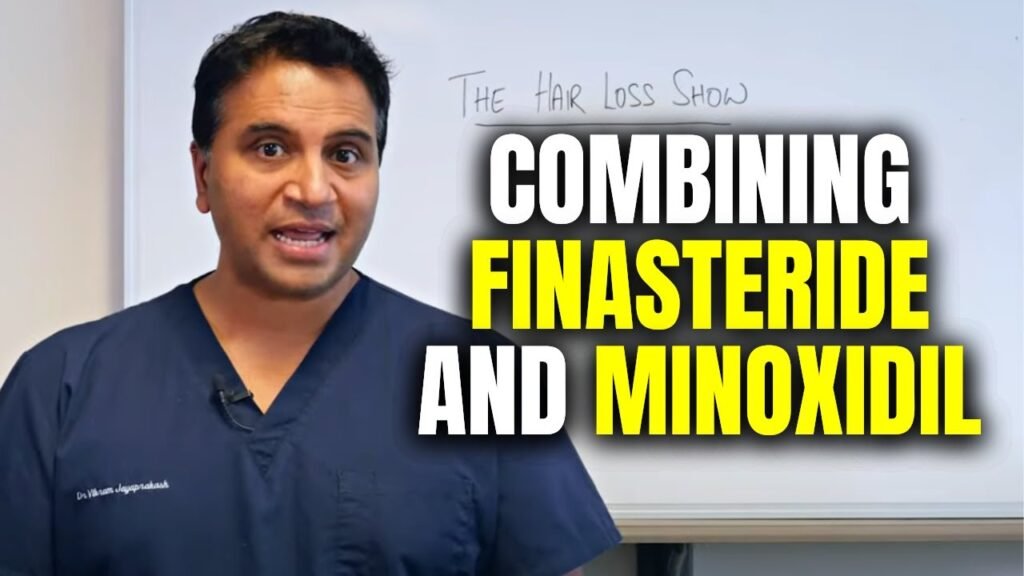
Combining Minoxidil with other treatments, such as finasteride or low-level laser therapy, may offer synergistic benefits. Finasteride, an oral medication, works by reducing the levels of dihydrotestosterone (DHT), a hormone linked to hair loss. When used alongside Minoxidil, which promotes hair follicle health, users may experience improved results. Additionally, low-level laser therapy is a non-invasive treatment that can stimulate hair follicles and improve blood flow to the scalp, potentially enhancing the effects of Minoxidil.
Considerations and Precautions
While combining Minoxidil with other treatments can be beneficial, it is important to consider possible side effects and interactions. Some users may experience scalp irritation or increased shedding when introducing multiple treatments simultaneously. To mitigate these risks, its advisable to introduce new treatments gradually and monitor your bodys response. Moreover, discussing your hair care plan with a dermatologist or healthcare provider can help tailor a regimen that maximizes benefits while minimizing adverse effects.
Step-by-Step Guide: How to Apply Minoxidil Effectively
Applying Minoxidil correctly is crucial for achieving the best results in hair regrowth. Begin by ensuring your scalp is clean and dry. This step is vital because a damp scalp can dilute the solution, reducing its effectiveness. Wash your hands thoroughly before application to prevent any contamination. If youre using a liquid form, fill the dropper with the recommended dosage. For foam, dispense the amount onto your fingers.
Step 1: Prepare the Scalp
Before applying Minoxidil, part your hair to expose the areas where hair thinning is most prominent. This ensures that the solution reaches the scalp directly. Using a comb can help in creating neat sections, making the application more precise. Avoid applying Minoxidil to broken or irritated skin, as this can cause further irritation.
Step 2: Application Process
For liquid Minoxidil, use the dropper to apply the solution directly onto the scalp. Gently rub it in with your fingers, ensuring even distribution. If youre using the foam version, use your fingertips to spread the foam over the target area. Massage the product into the scalp using circular motions to enhance absorption. Remember to wash your hands after application to remove any residue.
Step 3: Post-Application Care
Allow the Minoxidil to dry completely before styling your hair or going to bed. This typically takes about 2 to 4 hours. Avoid using a hairdryer on the treated areas, as heat can diminish the efficacy of the product. Consistency is key; apply Minoxidil twice daily as directed to see optimal results. Regular application not only boosts hair regrowth but also helps in maintaining the health of your existing hair.
Best Practices for Combining Minoxidil with Other Products
When using Minoxidil to address hair loss, it is crucial to understand how to effectively combine it with other products to maximize its benefits. Minoxidil is a topical solution that stimulates hair growth, but when used in conjunction with other treatments, it can lead to even more significant results. Here are some best practices to ensure you are combining Minoxidil safely and effectively with other hair care products.
Use Compatible Shampoos and Conditioners
When integrating Minoxidil into your hair care routine, it is important to choose shampoos and conditioners that are gentle and free from harsh chemicals. Sulfate-free and paraben-free formulas are ideal, as they minimize scalp irritation and do not interfere with Minoxidils effectiveness. Look for products that contain natural ingredients like biotin or keratin, which can complement the hair-strengthening effects of Minoxidil.
Incorporate Nutritional Supplements
To enhance the efficacy of Minoxidil, consider incorporating nutritional supplements that support hair health. Supplements rich in vitamins such as biotin, vitamin D, and zinc can promote hair growth from within, providing a solid foundation for the topical treatment. Always consult with a healthcare professional before starting any supplement regimen to ensure it aligns with your individual health needs and does not interact adversely with Minoxidil.
Be Cautious with Additional Topical Treatments
If you are considering using other topical treatments alongside Minoxidil, such as essential oils or prescription creams, it is essential to proceed with caution. Always apply Minoxidil first, allowing it to fully absorb into the scalp before applying any additional products. This practice ensures that Minoxidil penetrates the hair follicles effectively without being diluted or obstructed by other substances. Additionally, it is wise to consult with a dermatologist to determine if your chosen combination of products is safe and beneficial for your specific hair care needs.
Frequently Asked Questions About Using Minoxidil
What is Minoxidil and How Does It Work?
Minoxidil is a topical medication primarily used to treat hair loss in both men and women. It works by stimulating hair follicles, potentially prolonging the growth phase of hair and increasing blood flow to the scalp. This can lead to thicker and more robust hair growth over time. Originally developed as a treatment for high blood pressure, it was discovered that one of its side effects was hair growth, which led to its current use in addressing conditions like androgenetic alopecia.
How Should Minoxidil Be Applied?
Applying Minoxidil correctly is crucial for optimal results. It is generally recommended to apply the solution or foam directly to the scalp twice a day. The scalp should be clean and dry before application. Using the provided applicator, part the hair in the area experiencing thinning and apply the recommended amount. Gently massage the product into the scalp with your fingertips. Its important to wash your hands thoroughly after application and avoid washing your hair for at least four hours to ensure proper absorption.
Are There Any Side Effects of Using Minoxidil?
While Minoxidil is generally safe for most users, some may experience side effects. Common side effects include scalp irritation, dryness, or itching. In rare cases, users might experience unwanted facial hair growth or an increased heart rate. If any severe reactions occur, its advisable to discontinue use and consult a healthcare professional. Its also important to note that initial shedding of hair can occur as new hair growth pushes out old hairs, which is a temporary and normal part of the process.

