
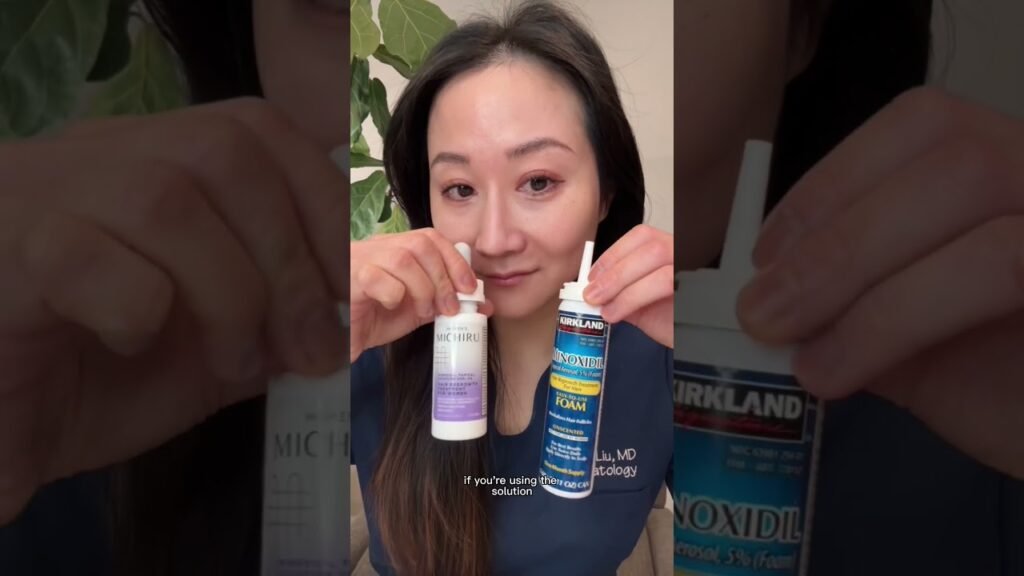
Understanding When to Start Minoxidil for Thinning Hair in Women
Deciding when to start using Minoxidil for thinning hair can be a crucial decision for women experiencing hair loss. Minoxidil, an FDA-approved topical treatment, is specifically designed to address hair thinning and promote hair regrowth. Women typically begin considering Minoxidil when they notice persistent thinning, increased hair shedding, or a family history of hair loss. It is often recommended to start treatment as soon as these signs become noticeable, as early intervention can be key in managing and potentially reversing hair thinning.
Signs You Might Need Minoxidil
Understanding the signs that indicate its time to start Minoxidil can be beneficial. Common indicators include a widening part, a decrease in hair volume, or an increase in hair left in the brush or shower drain. Women experiencing these symptoms may find Minoxidil effective in slowing hair loss and encouraging regrowth. Consulting with a dermatologist or healthcare provider can provide personalized insights and confirm whether Minoxidil is a suitable option based on individual hair loss patterns and medical history.
Age and Hormonal Considerations
Age and hormonal changes are significant factors in determining when to start Minoxidil. Women often experience hormonal fluctuations during events like menopause, which can contribute to hair thinning. Starting Minoxidil during these times can be beneficial, as it addresses the underlying causes of hair loss associated with hormonal changes. Additionally, women in their 20s and 30s experiencing early signs of thinning may also consider Minoxidil to prevent further hair loss and maintain hair density.
Signs You Should Consider Using Minoxidil for Thinning Hair
Experiencing thinning hair can be distressing, and identifying the right time to consider treatments like Minoxidil is crucial. One of the first signs that you might benefit from Minoxidil is a noticeable increase in hair shedding. If you find more hair than usual in your brush or shower drain, it might be an indication that your hair is thinning. This can be particularly concerning if you have a family history of hair loss, as genetic factors often play a significant role in hair thinning.
Another sign that Minoxidil might be beneficial is the gradual recession of your hairline. This is especially common in men but can also affect women. If you observe that your hairline is moving back or that your part is widening, these could be early indicators of pattern baldness, where Minoxidil has shown effectiveness. Furthermore, if you notice thinning at the crown of your head, Minoxidil might help in promoting hair regrowth and slowing down the progression of hair loss.
Hair texture changes can also signal the need for Minoxidil. If your hair becomes finer and loses its volume, this could indicate the miniaturization of hair follicles, a process where healthy hair becomes thin and wispy. Using Minoxidil may help to strengthen these follicles, potentially reversing the thinning process. Its important to start treatment early, as Minoxidil is most effective when used at the initial stages of hair thinning.
Best Time to Apply Minoxidil for Optimal Results
When it comes to achieving the best results with Minoxidil, timing can play a crucial role. Applying Minoxidil at the right time of day can enhance its effectiveness, helping you maximize hair growth and minimize potential side effects. The ideal times to apply Minoxidil are typically in the morning and at night. This twice-daily application aligns with the natural hair growth cycle and ensures that the medication remains in contact with the scalp for a sufficient period to stimulate follicles effectively.
Morning Application
Applying Minoxidil in the morning can be beneficial for those who want to incorporate it into their daily routine seamlessly. The morning application allows the solution or foam to dry before you start your day, reducing the risk of it being wiped off or interfering with your styling products. It is essential to apply Minoxidil to a clean, dry scalp and allow it to dry completely, which usually takes about 2 to 4 hours. This ensures that the medication is fully absorbed into the scalp, providing the necessary stimulation to promote hair growth throughout the day.
Nighttime Application
Applying Minoxidil at night is equally important, as it can take advantage of the bodys natural repair processes that occur during sleep. Nighttime application allows the medication to remain on the scalp undisturbed for an extended period, which can enhance absorption and efficacy. To optimize results, ensure that your scalp is clean and dry before application and try to avoid washing your hair immediately afterward. By incorporating Minoxidil into your nighttime routine, you can support consistent hair growth and improve the overall health of your scalp.
Minoxidil for Women: Age and Hair Loss Stages to Consider
When considering minoxidil for women, its crucial to understand how age and the specific stage of hair loss can impact its effectiveness. Minoxidil, an FDA-approved topical treatment, is often recommended for women experiencing various degrees of hair thinning and loss. However, the age at which a woman begins treatment can influence the outcomes. Generally, women in their 20s to 40s who start using minoxidil may see more pronounced results, as the treatment can be more effective when initiated during the earlier stages of hair thinning.
Age Considerations for Minoxidil Use
Age plays a significant role in determining the potential success of minoxidil for women. As women age, the rate of hair growth naturally slows down, and the follicles may become less responsive to treatment. Younger women, especially those in their early stages of hair loss, might experience faster and more noticeable improvements. On the other hand, women over 50 might find that minoxidil helps maintain the current density of their hair rather than promoting new growth. Its essential to consult with a healthcare provider to evaluate whether age-related factors could affect treatment outcomes.
Hair Loss Stages and Minoxidil Efficacy
Understanding the stage of hair loss is equally important when considering minoxidil. Hair loss in women can be categorized into different stages, often measured by the Ludwig Scale, which ranges from minimal thinning to advanced hair loss. Women in the early stages of hair thinning, characterized by a widening part or a decrease in overall hair volume, are likely to benefit more from minoxidil. In contrast, those in the later stages might see limited results, as the treatment is less effective on areas where follicles have become inactive. Early intervention is key, and women should monitor their hair loss pattern to determine the optimal time to start treatment.
Consulting a Dermatologist: When Its Necessary Before Starting Minoxidil
Before embarking on a treatment journey with minoxidil, a popular solution for hair loss, its crucial to understand when consulting a dermatologist becomes necessary. A dermatologist can provide a personalized assessment to determine if minoxidil is the right choice for your specific condition. Individuals experiencing sudden or patchy hair loss should seek a dermatologists expertise to rule out underlying medical conditions such as alopecia areata or scalp infections that might require alternative treatments. A professional evaluation ensures that you are addressing the root cause of your hair loss effectively.
Another critical reason to consult a dermatologist is if you have a history of allergies or sensitive skin. Minoxidil can cause side effects such as scalp irritation, itching, or redness. A dermatologist can perform patch tests to check for any adverse reactions, helping to prevent potential discomfort or exacerbation of skin issues. Additionally, they can recommend specific formulations or complementary products to mitigate any side effects, ensuring a smoother experience while using minoxidil.
For those with pre-existing medical conditions or those taking other medications, a dermatologists consultation is indispensable. Certain health conditions or medications may interact with minoxidil, potentially affecting its efficacy or safety. A dermatologist can assess your medical history and advise on any necessary precautions or adjustments. They can also provide guidance on how to incorporate minoxidil into your hair care routine without compromising your overall health, making the journey towards hair regrowth both safe and effective.

