Understanding Minoxidil: How It Works for Hair Growth
Minoxidil is a widely recognized topical treatment primarily used to combat hair loss and stimulate hair growth. Originally developed as an oral medication for high blood pressure, it was discovered that one of its side effects was excessive hair growth. This led to its development into a topical solution specifically for hair restoration. When applied to the scalp, Minoxidil works by prolonging the anagen phase, or growth phase, of the hair cycle, which encourages hair follicles to produce thicker and longer strands.
The Science Behind Minoxidil
The exact mechanism by which Minoxidil promotes hair growth is not entirely understood, but it is believed to work through a combination of factors. One theory is that Minoxidil stimulates blood circulation in the scalp, thereby increasing the delivery of oxygen and nutrients to hair follicles. This enhanced nourishment can help to revive dormant follicles, encouraging them to enter the growth phase. Additionally, Minoxidil is thought to widen blood vessels, which may help to reduce the miniaturization of hair follicles that occurs in androgenetic alopecia, commonly known as male or female pattern baldness.
Application and Efficacy
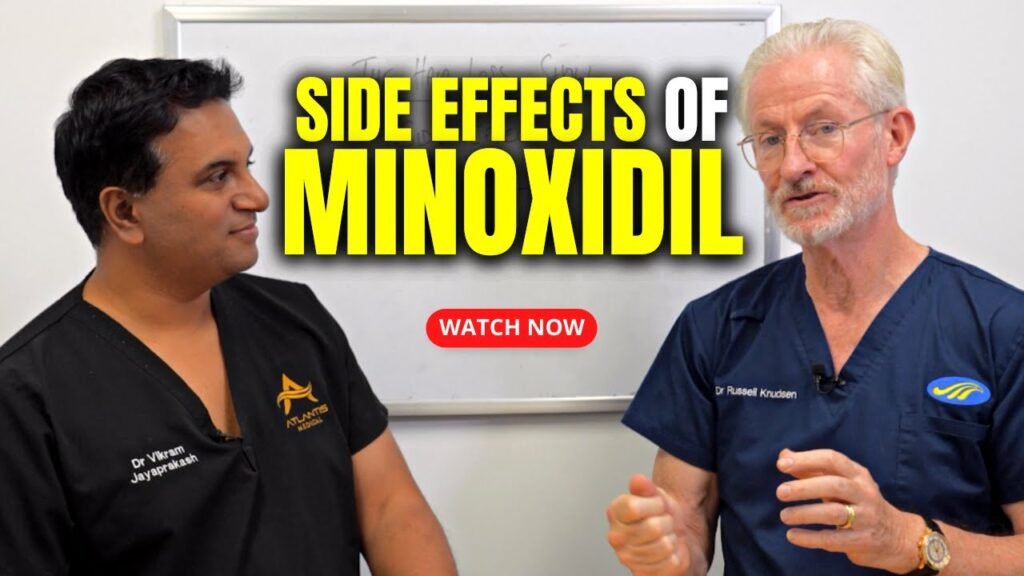
Minoxidil is typically available in two concentrations: 2% and 5%, with the higher concentration generally being more effective in promoting hair regrowth. It is applied directly to the scalp twice daily, and users often begin to see results after several months of consistent use. **It is important to note that Minoxidils effects are not permanent; if the treatment is discontinued, any new hair growth is likely to be lost within a few months.** While it is effective for many users, individual results can vary, and some people may experience side effects such as scalp irritation or unwanted facial hair growth.
Does Minoxidil Cause Hair Shedding Initially?
Minoxidil, a popular topical treatment for hair loss, is often associated with an initial increase in hair shedding. This phenomenon, although alarming to many users, is generally considered a normal and temporary phase in the hair growth cycle. Understanding why this shedding occurs can help users remain committed to the treatment and achieve the desired results in the long term.
When Minoxidil is applied to the scalp, it stimulates hair follicles and promotes increased blood flow, which can accelerate the hair growth cycle. During this process, old hairs are pushed out to make room for new, healthier strands. This is often referred to as «shedding» and typically occurs within the first few weeks to months of starting the treatment. Although it may seem counterproductive, this shedding is actually a sign that the medication is working effectively to rejuvenate the hair follicles.
How Long Does the Shedding Last?
The duration of the shedding phase can vary from person to person. For most users, this phase lasts between two to six weeks. Its important to note that not everyone will experience significant shedding, and the intensity can differ based on individual factors such as hair type, the severity of hair loss, and consistency of Minoxidil application. Despite the temporary increase in hair loss, many users report noticeable improvements in hair thickness and density after this initial shedding period.
To manage this shedding phase, users should remain consistent with their Minoxidil application and avoid the temptation to discontinue use. Stopping the treatment abruptly can lead to further hair loss and negate the potential benefits. It is also advisable to consult with a healthcare professional or dermatologist if the shedding seems excessive or if there are any concerns about the treatments effects.
The Science Behind Minoxidil-Induced Hair Shedding
Minoxidil, a widely recognized treatment for hair loss, often causes an initial increase in hair shedding, which can be alarming for users. This phenomenon, however, is a well-documented part of the hair growth cycle. To understand why this happens, its essential to delve into the hair follicles lifecycle, which includes the anagen (growth), catagen (transitional), and telogen (resting) phases. When minoxidil is applied, it primarily stimulates the transition of hair follicles from the telogen phase back to the anagen phase, which is where new hair growth occurs.
How Minoxidil Affects Hair Follicles
Minoxidil functions as a vasodilator, meaning it widens blood vessels and enhances blood flow to the hair follicles. This increased circulation delivers more nutrients and oxygen, promoting a healthier environment for hair growth. The shedding occurs because minoxidil accelerates the hair cycle, pushing older hairs out of the follicles to make way for new growth. This process is known as «exogen» and is a natural part of hair renewal. While it might seem counterintuitive, this shedding is actually a positive sign that the treatment is working as intended.
The Role of Follicular Synchronization
Another scientific explanation for minoxidil-induced shedding involves the synchronization of hair follicles. Normally, hair follicles are in different phases at any given time, but minoxidil tends to synchronize them. As follicles transition simultaneously from the resting to the growth phase, a larger number of hairs are shed all at once. This synchronization can make the shedding appear more dramatic but ultimately results in a more uniform and healthier regrowth pattern. Understanding this process helps users remain patient and consistent with their treatment, as the benefits of minoxidil become more apparent over time.
Managing Hair Shedding While Using Minoxidil
Using Minoxidil, a popular treatment for hair loss, can sometimes lead to an initial increase in hair shedding. This can be alarming for users, but understanding this process is crucial for effectively managing and minimizing concerns. When you first start using Minoxidil, its common to experience whats known as «shedding.» This is a temporary phase where older hairs fall out to make way for new growth. While it may seem counterintuitive, this is actually a sign that the treatment is beginning to work, as it accelerates the hair growth cycle.
Understanding the Shedding Phase
The shedding phase typically occurs within the first two to eight weeks of starting Minoxidil treatment. During this time, the medication stimulates the hair follicles, pushing out older, weaker hairs. This phase is temporary and usually subsides as your scalp adjusts to the treatment. Its important to remain patient and consistent with your Minoxidil application, as discontinuing use can halt progress and lead to further hair loss.
Tips to Manage and Minimize Shedding
To effectively manage hair shedding while using Minoxidil, consider the following strategies. First, ensure you are applying the correct dosage as recommended. Over-application wont speed up results and might cause irritation. Consistency is key; apply the treatment twice daily as directed to maintain steady progress. Additionally, adopting a gentle hair care routine can help reduce breakage. Use a mild shampoo and conditioner, and avoid excessive heat styling or harsh chemical treatments. If the shedding persists beyond a few months or is causing significant distress, consult a dermatologist for personalized advice.
When to Consult a Doctor About Minoxidil and Hair Shedding
Experiencing hair shedding when starting minoxidil treatment can be alarming, but it is often a common initial reaction. However, it is crucial to know when to consult a doctor to ensure that the treatment is working effectively and not causing adverse effects. If hair shedding continues beyond the initial two to four weeks of starting minoxidil, it might be time to seek professional advice. Prolonged shedding could indicate that your scalp is not responding well to the treatment, or there might be an underlying issue that needs to be addressed.
Another situation that warrants a doctors consultation is the development of unexpected side effects. Symptoms such as scalp irritation, redness, or severe itching should not be ignored. While mild irritation might occur initially, persistent or worsening symptoms require medical evaluation to rule out allergic reactions or other skin conditions. A healthcare professional can help determine whether its safe to continue using minoxidil or if an alternative treatment should be considered.
In addition to physical symptoms, if you notice no improvement in hair growth after six months of consistent minoxidil use, it may be beneficial to consult a healthcare provider. Lack of visible results could mean that minoxidil is not the right solution for your type of hair loss. A doctor can provide a comprehensive evaluation, potentially recommend alternative treatments, or investigate other causes of hair loss such as hormonal imbalances or nutritional deficiencies.