
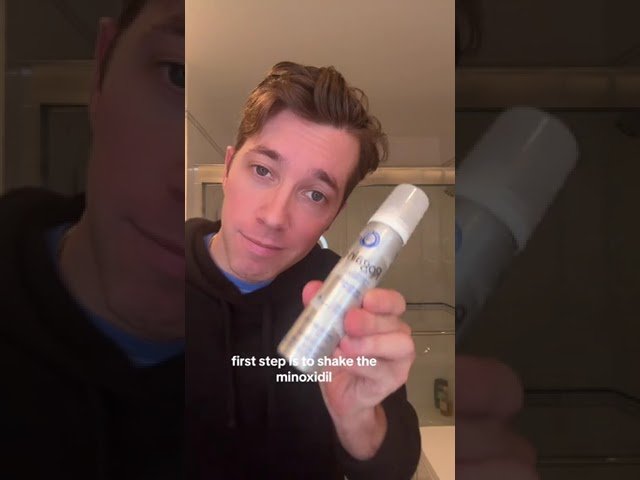
Understanding Minoxidil: What It Is and How It Works
Minoxidil is a widely recognized topical treatment primarily used for stimulating hair growth and slowing hair loss. Originally developed as an oral medication for high blood pressure, it was discovered to have a significant side effect: the promotion of hair growth. This led to its adaptation into a topical solution, most commonly found in concentrations of 2% and 5%, making it a popular choice for those experiencing androgenetic alopecia, or pattern baldness, in both men and women. Minoxidils effectiveness in promoting hair regrowth has made it a staple in hair loss treatments across the globe.
How Minoxidil Works
The exact mechanism by which Minoxidil promotes hair growth is not fully understood, but several theories provide insight into its efficacy. One primary hypothesis suggests that Minoxidil works by widening blood vessels and opening potassium channels. This process allows more oxygen, blood, and nutrients to reach the hair follicles, which may revitalize shrunken hair follicles and encourage them to transition into the growth phase of the hair cycle. Additionally, Minoxidil is thought to prolong the anagen phase, or growth phase, of hair, resulting in longer and thicker hair strands over time.
Application and Usage
Minoxidil is typically applied directly to the scalp in areas where hair thinning is noticeable. Users are advised to apply it twice daily to achieve optimal results. Consistency is key when using Minoxidil, as discontinuation of the treatment can lead to the cessation of hair regrowth and a return to the previous pattern of hair loss. It is important for users to follow the instructions provided with the product to minimize side effects and maximize the benefits of this treatment. While Minoxidil is generally well-tolerated, some individuals may experience mild irritation or dryness at the application site.
Ideal Age to Start Using Minoxidil: Expert Recommendations
Determining the ideal age to start using minoxidil can significantly impact its effectiveness in treating hair loss. Experts generally recommend that individuals begin considering minoxidil treatment in their early twenties if they notice signs of hair thinning or androgenetic alopecia. This recommendation is based on the fact that early intervention can help maintain hair density and potentially slow the progression of hair loss. However, its crucial to consult with a healthcare professional or dermatologist to assess individual needs and confirm whether minoxidil is the appropriate treatment.
Factors Influencing the Ideal Age
Several factors can influence the decision to start minoxidil treatment. Genetic predisposition plays a significant role, as those with a family history of early-onset hair loss may benefit from starting treatment sooner. Additionally, the rate of hair loss progression can dictate the urgency of intervention. Younger individuals experiencing rapid hair thinning may need to consider treatment earlier to preserve their existing hair. Its important to remember that while age is a factor, each persons situation is unique, and a tailored approach is necessary.
Considerations for Young Users
While starting minoxidil at an early age can be beneficial, there are considerations to keep in mind. Compliance and consistency are key to achieving desired results, as minoxidil requires regular application. Young users should be prepared for the commitment and understand that discontinuing treatment can lead to a reversal of its benefits. Additionally, potential side effects, such as scalp irritation or unwanted facial hair growth, should be discussed with a healthcare provider to weigh the benefits against any possible drawbacks. Ultimately, a personalized approach guided by expert recommendations will yield the best outcomes.
Where to Apply Minoxidil for Best Results
For those seeking effective hair regrowth, knowing where to apply minoxidil is crucial. The most common application area is the scalp, particularly where thinning is noticeable. Typically, this includes the crown and vertex of the head, as these are areas where minoxidil has been proven to be most effective. Applying the solution directly to these regions ensures that the active ingredient reaches the hair follicles, stimulating growth and slowing hair loss.
Focus on Thinning Areas
Its important to concentrate on areas where hair is thinning rather than areas that are completely bald. Minoxidil is most effective when there is still some hair present, as it works by revitalizing shrunken hair follicles and increasing their size. By focusing on thinning areas, users can maximize the potential for regrowth and achieve thicker, fuller hair over time.
Application Technique
To apply minoxidil effectively, ensure that the scalp is clean and dry. Use the dropper or spray provided to apply the recommended amount directly onto the scalp. Gently massage the solution into the scalp with your fingertips, which helps improve absorption and ensures that the treatment reaches the hair follicles. Avoid applying minoxidil to areas with cuts, scrapes, or irritation to prevent unwanted side effects.
Minoxidil Application Tips for Different Age Groups
When it comes to using minoxidil, understanding how to apply it effectively across different age groups can significantly enhance its efficacy. Teenagers and young adults often have more active hair follicles, which means they might see quicker results. However, its crucial for this age group to start with the lowest concentration of minoxidil, typically 2%, to minimize the risk of irritation. Always apply it to a clean, dry scalp and avoid using any styling products immediately after application to allow proper absorption.
For middle-aged individuals, who might be experiencing more pronounced hair thinning, a higher concentration, such as 5% minoxidil, could be more beneficial. Consistency is key; applying it twice daily is recommended. Its also important to ensure the scalp is free from any buildup of oils or hair products before application. Consider using a gentle exfoliating scalp scrub once a week to keep the scalp healthy and receptive to treatment.
Older adults, particularly those over 60, should approach minoxidil application with caution. As the skin becomes more sensitive with age, starting with a lower concentration is advisable. If any irritation occurs, consult with a healthcare professional before continuing. Additionally, older users should be aware of any potential interactions with medications they might be taking. Its always a good idea to discuss with a doctor or dermatologist to tailor the minoxidil regimen to individual health needs and to ensure optimal hair regrowth results.
Common Questions About Minoxidil Use and Age
When considering the use of minoxidil for hair growth, a common question revolves around the appropriate age for starting treatment. Is there a minimum age requirement for using minoxidil? The FDA has approved minoxidil for use in individuals aged 18 and older. This guideline is primarily based on clinical studies that evaluated its safety and efficacy in adults. For those under 18, its essential to consult a healthcare provider to determine if minoxidil is suitable, as the product has not been extensively tested in this age group.
Can older adults use minoxidil effectively? Many older adults wonder if minoxidil will work for them, especially since hair thinning can be a natural part of aging. While minoxidil is generally safe for older adults, its effectiveness can vary. Hair follicles in older individuals may be less responsive to treatment, and results can depend on the cause of hair loss. Its important for older users to manage expectations and consult with a healthcare provider to understand how age-related factors might impact their treatment outcomes.
For those in their late teens or early twenties, a frequent question is: Should I start using minoxidil at a young age? The decision to start minoxidil early depends on the severity of hair loss and genetic predispositions. Starting treatment at the first signs of hair thinning may help in maintaining hair density. However, young users should be aware of the commitment required, as minoxidil needs to be used continuously to sustain hair growth. Consulting with a dermatologist can provide personalized advice and help in making an informed decision based on individual hair loss patterns and family history.

