
What is Minoxidil and How Does it Work for Women?
Minoxidil is a topical medication primarily used to treat hair loss, and it is especially popular among women dealing with thinning hair or female pattern baldness. Originally developed as an oral medication for high blood pressure, its hair growth side effect led to the creation of topical solutions specifically for hair loss. Minoxidil works by stimulating hair follicles and promoting hair regrowth, making it a go-to treatment for many women experiencing hair thinning.
How Minoxidil Works for Women
The primary mechanism by which minoxidil works is by extending the anagen phase, or the growth phase, of the hair cycle. It is believed to widen blood vessels in the scalp, increasing blood flow to hair follicles. This enhanced blood circulation delivers more oxygen and nutrients to the follicles, which can lead to stronger and thicker hair. For women, this means not only a reduction in hair loss but also the potential for new hair growth over time.
Application and Results
Women typically use a 2% or 5% minoxidil solution, applied directly to the scalp. It is crucial to follow the recommended usage guidelines, as over-application can lead to unwanted side effects such as scalp irritation. Consistency is key; women usually need to apply minoxidil once or twice daily and may start seeing results after several months of continuous use. **While individual results can vary, many women report visible improvements in hair density and thickness, making minoxidil a valuable option in their hair care regimen.**
Benefits of Using Minoxidil for Women
Minoxidil, a popular over-the-counter topical treatment, offers a variety of benefits for women experiencing hair thinning or loss. One of the most significant advantages is its proven effectiveness in promoting hair regrowth. Clinical studies have shown that women using minoxidil can experience increased hair density and thickness over time. This is particularly beneficial for those suffering from female pattern baldness, a common condition characterized by diffuse thinning on the scalp.
Easy Application and Accessibility
Another notable benefit of minoxidil for women is its ease of use and accessibility. Minoxidil is available in various formulations, including foams and solutions, allowing women to choose the one that best suits their preferences. It can be easily incorporated into daily hair care routines, making it a convenient option for those seeking to address hair loss without the need for invasive procedures or prescriptions. Furthermore, as an over-the-counter product, it is readily available at most pharmacies and online retailers, ensuring that women have consistent access to this treatment.
Minimal Side Effects
Minoxidil is generally well-tolerated, with minimal side effects for most users. The most common side effects, such as scalp irritation or dryness, are typically mild and manageable. This makes minoxidil a safe choice for many women looking to improve their hair health. Additionally, the topical nature of minoxidil means it targets the scalp directly, minimizing systemic effects and making it a preferable option for those concerned about oral medications.
How to Use Minoxidil: A Step-by-Step Guide for Beginners
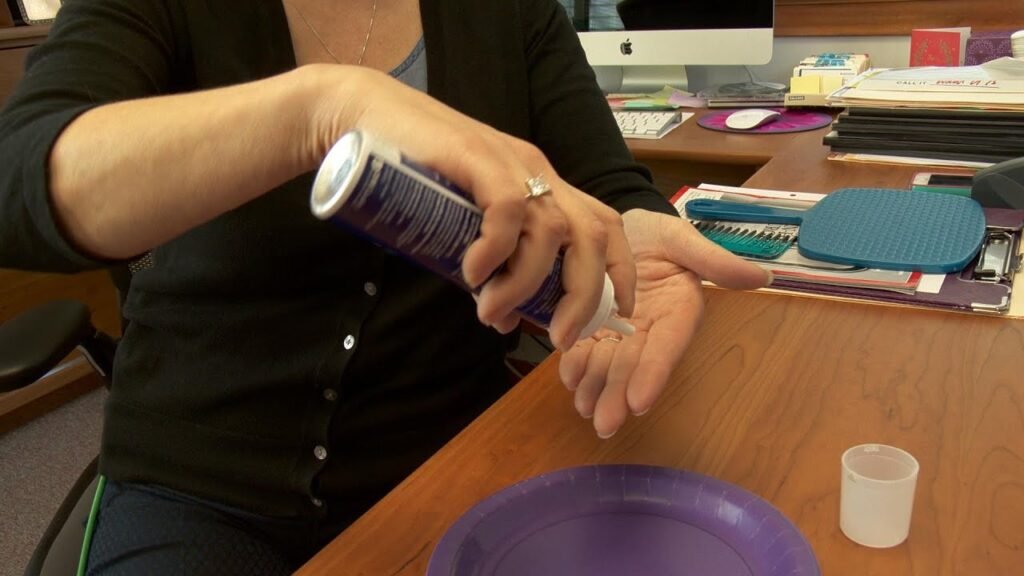
Minoxidil is a popular treatment for hair loss, and understanding the correct application process is crucial for beginners seeking effective results. Begin by ensuring your scalp and hair are completely dry. This helps the minoxidil absorb properly into the scalp, increasing its efficacy. If youre using a liquid form, use the dropper to apply the recommended amount directly onto the affected areas of your scalp. For those using a foam version, dispense the product onto your fingers and then massage it gently into the scalp.
Step-by-Step Application Process
1. Prepare Your Scalp: Before applying minoxidil, make sure your scalp is clean and dry. This ensures optimal absorption.
2. Measure the Correct Dose: Use the provided dropper or foam cap to measure the recommended dosage, typically around 1 ml.
3. Apply to the Affected Area: For liquid minoxidil, use the dropper to apply directly to the scalp. For foam, dispense it onto your fingers and spread evenly.
4. Massage Gently: Use your fingers to massage the solution into your scalp gently. This helps stimulate circulation and ensures even distribution.
Additional Tips for Beginners
Consistency is key when using minoxidil. Apply it twice daily, ideally in the morning and evening, to maintain a steady concentration in the scalp. Avoid washing your hair for at least four hours after application to allow the product to penetrate effectively. Additionally, wash your hands thoroughly after each application to prevent the solution from spreading to other areas of your skin. Remember, patience is essential, as noticeable results may take several months to appear.
Potential Side Effects of Minoxidil for Women
Minoxidil, a popular treatment for hair loss, is widely used by women seeking to stimulate hair growth. However, like many medications, it comes with potential side effects that users should be aware of. The most common side effect is scalp irritation, which can manifest as itching, redness, or dryness. This is often due to the alcohol and propylene glycol present in many minoxidil formulations, which can be harsh on sensitive skin. For those who experience discomfort, switching to a foam version or a formulation without these ingredients may alleviate some of the irritation.
Another potential side effect is the unwanted growth of facial hair. This can occur if the minoxidil solution inadvertently comes into contact with areas of the face, or due to systemic absorption. Women using minoxidil should be cautious when applying the solution, ensuring it is confined to the scalp and washing hands thoroughly after application. Increased hair shedding is another side effect that may initially alarm users, but it is often a temporary phase. This shedding typically occurs as new hair growth pushes out older hairs, and it generally subsides after a few weeks of consistent use.
Systemic Side Effects
While rare, some women may experience systemic side effects from minoxidil. These can include dizziness, headaches, or changes in heart rate. Such symptoms may indicate that the body is absorbing too much of the medication. Users experiencing these side effects should consult with a healthcare provider immediately. It is crucial for women to follow the recommended dosage and not to exceed it, as higher doses do not equate to faster or better results and may increase the risk of adverse effects.
Frequently Asked Questions About Minoxidil for Women
What is Minoxidil, and how does it work for women?
Minoxidil is a topical treatment commonly used to stimulate hair growth and slow down hair loss in women. It works by revitalizing hair follicles and increasing blood flow to the scalp, which encourages thicker and healthier hair growth. Women typically use a 2% or 5% solution, applying it directly to the scalp. This medication is particularly effective for women experiencing androgenetic alopecia, a common form of hair loss.
Is Minoxidil safe for women to use?
Yes, Minoxidil is generally considered safe for women when used as directed. However, its essential to follow the instructions provided by a healthcare professional or the product label. Some women may experience side effects such as scalp irritation, dryness, or unwanted facial hair growth. If any adverse reactions occur, its crucial to discontinue use and consult a healthcare provider. Pregnant or breastfeeding women should seek medical advice before using Minoxidil.
How long does it take to see results from Minoxidil?
The timeline for seeing results from Minoxidil can vary, but many women begin to notice an improvement in hair density and thickness after three to six months of consistent use. Its important to be patient and continue the treatment as results may take time to manifest. For optimal results, Minoxidil should be applied twice daily, and its use should be continued to maintain hair growth, as stopping the treatment may lead to a return of hair loss.

