
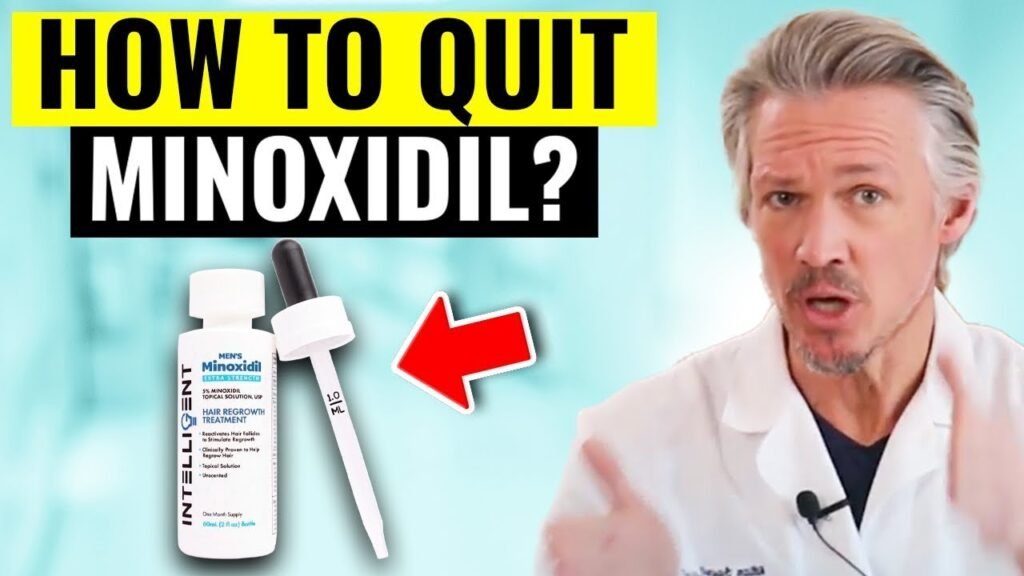
Understanding Minoxidil: An Overview
Minoxidil is a widely recognized treatment primarily used for addressing hair loss issues, particularly in cases of androgenetic alopecia, also known as male or female pattern baldness. Initially developed as an oral medication for high blood pressure, it was later discovered that Minoxidil could stimulate hair growth, leading to its topical formulation. Available in liquid or foam form, Minoxidil is applied directly to the scalp, where it works to revitalize shrunken hair follicles, prolonging the growth phase and potentially leading to thicker and more robust hair.
How Minoxidil Works
The exact mechanism by which Minoxidil promotes hair growth is not fully understood, but it is believed to function by widening blood vessels in the scalp. This action increases blood flow to hair follicles, providing them with more oxygen and nutrients, which are essential for hair growth. Additionally, Minoxidil is thought to enhance the size of hair follicles, which can result in longer and thicker strands of hair. This makes it an effective treatment for those experiencing thinning hair or bald patches.
Application and Effectiveness
For optimal results, Minoxidil should be applied consistently as part of a daily routine. Users typically begin to notice visible changes after about three to six months of regular use. However, its important to note that results can vary based on individual factors such as the extent of hair loss and genetic predispositions. While Minoxidil is effective for many users, it does not work for everyone, and discontinuing its use can lead to a reversal of hair growth benefits. Therefore, a commitment to ongoing application is crucial for maintaining results.
Where to Apply Minoxidil for Optimal Results
Applying Minoxidil correctly is crucial for achieving the best outcomes in hair regrowth. For those experiencing hair thinning or loss, understanding the specific areas where Minoxidil should be applied can make a significant difference. The most common area to apply Minoxidil is the scalp, particularly where hair thinning is most prominent. This typically includes the vertex of the scalp, which is the top and crown area. Consistent application in this region can stimulate hair follicles and promote regrowth.
Targeting the Hairline and Temples
While the vertex is a primary focus, many users also experience thinning along the hairline and temples. If you notice hair loss in these areas, you can apply Minoxidil here as well. However, its important to note that results may vary, as these areas are often more resistant to treatment. Be sure to use a precise application to avoid wastage and ensure the product reaches the intended follicles.
Tips for Effective Application
To maximize the effectiveness of Minoxidil, its essential to apply it to a clean, dry scalp. This ensures that the solution can be absorbed efficiently without interference from oils or dirt. Using a dropper or spray applicator can help distribute the product evenly across the target areas. Its also advisable to apply Minoxidil twice daily, as consistency is key to achieving optimal results. Remember to wash your hands thoroughly after application to avoid unintentional contact with other areas of your skin.
What Happens After Stopping Minoxidil: An In-Depth Look
When you stop using minoxidil, a commonly prescribed treatment for hair loss, several changes may occur. One of the primary effects is the potential for hair shedding. Minoxidil works by stimulating hair follicles, prolonging the growth phase of hair, and increasing the size of hair follicles, which results in thicker hair. However, once the treatment is discontinued, these effects can gradually reverse. Hair shedding is often the first noticeable change, typically occurring within a few months after stopping the treatment. This is because the hair follicles return to their original size and the growth cycle may shorten, causing hair that was once thick and full to become thin and sparse.
Reversion to Pre-Treatment Hair Loss Patterns
Another significant aspect of stopping minoxidil is the potential reversion to your pre-treatment hair loss pattern. This means that any progress made in hair regrowth and thickening may be lost over time. Its important to understand that minoxidil does not cure hair loss; it only manages the symptoms. Therefore, without the continued stimulation provided by the treatment, the natural progression of hair thinning and loss can resume. Individuals who stop using minoxidil might notice that their hair returns to the condition it was in before starting the treatment, which can be particularly disheartening for those who experienced significant improvements.
Potential for Regrowth
While the initial reaction to stopping minoxidil might be discouraging, its worth noting that not everyone will experience the same degree of hair loss after discontinuation. Some users might retain a portion of their hair gains for a longer period, although this is less common. Factors such as the duration of minoxidil use, the extent of hair loss prior to treatment, and individual genetic factors can all play a role in determining the outcome. For those concerned about the implications of stopping minoxidil, consulting with a healthcare professional can provide personalized insights and alternative strategies for managing hair loss.
Managing Hair Loss After Discontinuing Minoxidil
Discontinuing Minoxidil can lead to the shedding of hair that was previously maintained by the treatment. Understanding the bodys response is crucial for managing hair loss during this transition. Patience and a strategic approach are key as your scalp adjusts to the absence of Minoxidil. Its important to remember that hair growth is a slow process, and immediate results are not typical. While it can be disheartening to see hair loss increase temporarily, there are several strategies to help manage and potentially mitigate this shedding.
Adopt a Nutritious Diet
A well-balanced diet plays a significant role in maintaining healthy hair. Incorporating foods rich in vitamins and minerals such as iron, zinc, and biotin can support hair health. Leafy greens, nuts, seeds, and lean proteins are excellent choices. Additionally, staying hydrated and avoiding excessive caffeine and sugar can also contribute to overall scalp health. A diet that supports hair growth can help manage the effects of stopping Minoxidil and promote natural regrowth over time.
Explore Alternative Treatments
After stopping Minoxidil, some individuals explore alternative treatments to support hair health. Topical treatments, such as caffeine-based shampoos or essential oils like rosemary and peppermint, may provide some benefits in promoting scalp circulation and hair vitality. Low-level laser therapy (LLLT) is another option that some people find helpful in stimulating hair follicles. Consulting with a dermatologist or trichologist can provide personalized recommendations based on your specific needs and hair type.
Maintain a Healthy Scalp Environment
Keeping your scalp clean and free of excess oils and buildup is essential for hair health. Regular scalp massages can enhance blood circulation, potentially supporting hair follicle health. Choosing gentle hair care products that do not strip the scalp of its natural oils is also beneficial. Avoiding tight hairstyles and minimizing the use of heat styling tools can reduce breakage and stress on the hair. By creating a nurturing environment for your scalp, you can better manage hair loss and support the natural regrowth process.
Alternatives to Minoxidil: Exploring Other Hair Loss Solutions
For those seeking alternatives to Minoxidil, a range of other hair loss solutions are available that cater to different needs and preferences. One popular alternative is Finasteride, a prescription medication that works by inhibiting the production of dihydrotestosterone (DHT), a hormone linked to hair loss. While effective for many, its important to consult a healthcare provider due to potential side effects, including sexual dysfunction and mood changes.
Another non-pharmaceutical option gaining traction is low-level laser therapy (LLLT). This treatment involves using laser devices to stimulate hair follicles, potentially increasing hair density and reducing hair loss. LLLT is a painless and non-invasive method, often delivered through combs, helmets, or caps designed for home use. Though results can vary, many users find it a convenient and safe way to support hair regrowth.
For those interested in a more natural approach, nutritional supplements and essential oils may offer some benefits. Supplements containing biotin, zinc, and iron, as well as omega-3 fatty acids, can help improve hair health from within. Additionally, essential oils like rosemary and peppermint have been noted for their potential to promote hair growth when applied topically. While scientific evidence is limited, these alternatives are generally considered safe and can be incorporated into a broader hair care regimen.

