
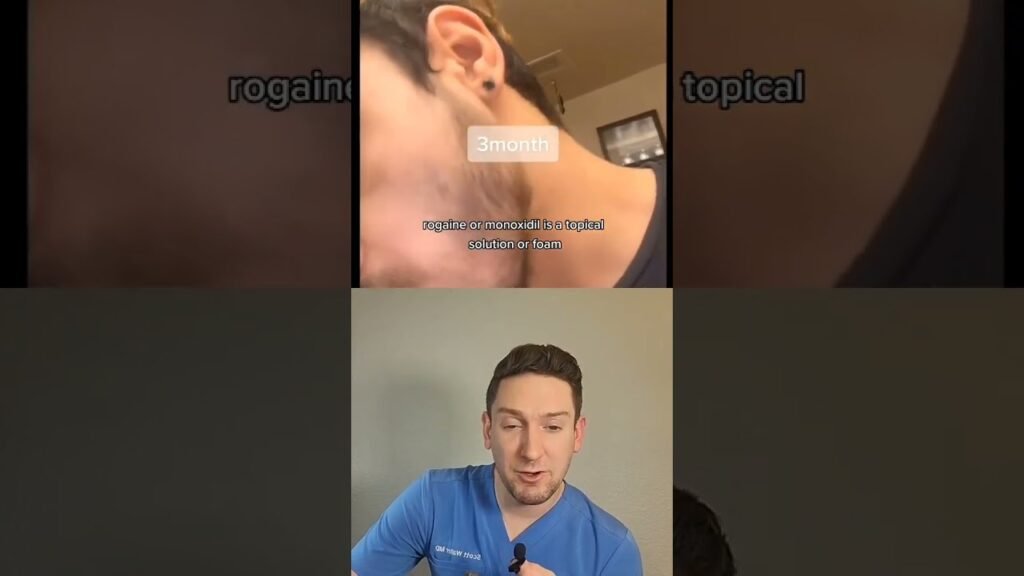
Understanding Minoxidil: What Is It?
Minoxidil is a well-known topical medication primarily used to treat hair loss. Originally developed as an oral medication for high blood pressure, it was discovered to have an interesting side effect—promoting hair growth. This led to its development as a topical solution, commonly found in concentrations of 2% and 5%, specifically for the treatment of androgenetic alopecia, more commonly known as male and female pattern baldness.
How Minoxidil Works
Minoxidil works by stimulating hair follicles and increasing blood flow to the scalp. Although the exact mechanism isnt fully understood, it is believed to prolong the anagen phase (the active growth phase of hair follicles) and increase the size of hair follicles, resulting in thicker hair strands. By applying Minoxidil directly to the scalp, it can potentially reverse the miniaturization of hair follicles, a hallmark of androgenetic alopecia.
Forms and Usage of Minoxidil
Minoxidil is available in various forms, including liquid solutions and foams, making it easy for users to incorporate into their daily routines. It is typically applied twice a day to the scalp, and consistency is key for seeing results. While some users may begin to notice improvements in as little as four months, it often takes about six to twelve months of consistent use to see significant hair regrowth. However, its important to note that Minoxidil is not a permanent cure for hair loss, and discontinuing use can lead to the gradual return of hair loss.
Can Minoxidil Be Applied to Facial Hair?
Minoxidil, a popular treatment for hair loss on the scalp, has gained attention for its potential use on facial hair. Originally designed to stimulate hair growth on the scalp, many individuals are curious about its effectiveness and safety when applied to areas such as the beard or mustache. Applying Minoxidil to facial hair has become a common practice among those looking to enhance beard density and coverage, although it is not officially approved for this purpose by health authorities.
How Does Minoxidil Work on Facial Hair?
Minoxidil works by stimulating hair follicles, potentially leading to increased hair growth. When applied to the face, it can help activate dormant follicles, resulting in fuller facial hair over time. Users often apply a topical solution or foam directly to areas where they desire more growth. Its important to note that results can vary based on individual hair growth patterns and genetic predispositions. While some users report noticeable improvements in beard thickness and coverage, others may experience minimal changes.
Considerations and Side Effects
Before applying Minoxidil to facial hair, its crucial to consider potential side effects and conduct a patch test. Common side effects include skin irritation, dryness, or redness in the application area. Individuals with sensitive skin should exercise caution and consult a dermatologist if adverse reactions occur. Moreover, since Minoxidil is not FDA-approved for facial use, users should proceed with awareness of the associated risks and lack of official guidance on its use for beard enhancement. Regular and consistent application, usually twice a day, is often recommended for those who decide to proceed, although personal experiences may vary.
Benefits of Using Minoxidil on Your Beard
Minoxidil is widely recognized for its effectiveness in promoting hair growth, and its application on facial hair is no exception. One of the primary benefits of using minoxidil on your beard is its ability to stimulate hair follicles, leading to increased density and coverage. For those struggling with patchy or uneven beard growth, minoxidil can help create a fuller and more uniform appearance. By enhancing blood circulation to the hair follicles, minoxidil encourages the growth of thicker, healthier beard hair, giving you the robust facial hair youve always desired.
Promotes Faster Growth
Another significant advantage of using minoxidil on your beard is the accelerated growth rate it can provide. Many users report noticing improvements in beard growth within a few weeks of consistent use. Minoxidil works by prolonging the anagen phase of the hair growth cycle, which is the active growth phase. This means that not only will your beard grow faster, but the individual hairs may also grow longer before entering the resting phase. This rapid growth can be particularly beneficial for those who are eager to see quick results and are committed to achieving their beard goals.
Enhances Beard Thickness
For individuals seeking a thicker beard, minoxidil can be a game-changer. By increasing the number of active hair follicles, minoxidil contributes to a denser beard. This is especially advantageous for men with naturally sparse facial hair who desire a more substantial and impressive beard. With consistent application, minoxidil can transform thin, wispy beards into robust and voluminous ones. The enhanced thickness not only improves the aesthetic appeal of your beard but can also boost your confidence, allowing you to sport a beard that complements your style and personality.
Potential Side Effects of Minoxidil for Beard Growth
Minoxidil, a popular treatment for hair regrowth, is often used off-label by individuals looking to enhance beard growth. While many users report positive results, it is crucial to be aware of potential side effects that can accompany its use. Understanding these side effects can help users make informed decisions about incorporating minoxidil into their beard growth routine.
Skin Irritation and Dryness
One of the most commonly reported side effects of using minoxidil for beard growth is skin irritation. Users might experience redness, itching, or a burning sensation in the areas where the product is applied. This can sometimes lead to flaking and dryness, making it uncomfortable for some individuals to continue usage. To mitigate these effects, it is advisable to use a moisturizer in conjunction with minoxidil, ensuring that the skin remains hydrated.
Unwanted Facial Hair Growth
Minoxidil is designed to stimulate hair follicles, which can sometimes result in unwanted hair growth in areas adjacent to the application site. This can be particularly concerning for those using it on the face, as hair may appear in unintended places, such as the cheeks or forehead. Users should be meticulous in applying the product only to the desired areas to minimize this risk.
Systemic Absorption and Related Effects
Though rare, systemic absorption of minoxidil can occur, leading to more serious side effects such as changes in heart rate, dizziness, or swelling of the hands and feet. These side effects are more likely if the product is used excessively or applied to large areas. It is essential to follow recommended dosages and consult a healthcare professional if any of these symptoms occur. Being aware of these potential side effects ensures that users can take the necessary precautions to safely incorporate minoxidil into their beard growth regimen.
How to Use Minoxidil Safely on Your Beard
When considering the use of minoxidil for beard growth, its crucial to follow proper guidelines to ensure safety and effectiveness. Start by choosing the right formulation, as minoxidil is available in both liquid and foam forms. The foam version is often recommended for facial application because it is less likely to cause irritation. Apply a small amount of minoxidil to the target areas of your beard twice daily, ensuring that the skin is clean and dry before each application. This helps to maximize absorption and effectiveness.
Patch Test Before Full Application
Before committing to a full application, conduct a patch test to rule out any allergic reactions. Apply a small amount of minoxidil to a discreet area of your face and wait 24 hours to observe any adverse reactions such as redness, itching, or swelling. If you notice any of these symptoms, discontinue use immediately and consult a healthcare professional. Performing a patch test is a simple yet crucial step in ensuring that your skin can tolerate the treatment without negative side effects.
Monitoring and Adjusting Usage
Its important to monitor the results and side effects of minoxidil use regularly. Common side effects may include dryness or flakiness of the skin. To mitigate these, incorporate a moisturizer into your routine. Additionally, consider using minoxidil at night if you experience any social discomfort from its residue. If you experience severe reactions, such as heart palpitations or dizziness, stop using the product and seek medical advice promptly. Regularly reassessing your skin’s response will help you adjust your regimen for the best results.

