
Understanding Minoxidil: What It Is and How It Works
Minoxidil is a popular over-the-counter medication primarily used to treat hair loss and promote hair regrowth. Originally developed as an oral medication for hypertension, researchers discovered its side effect of increased hair growth, leading to the development of topical formulations specifically for hair loss treatment. Minoxidil is commonly available in concentrations of 2% and 5% and is applied directly to the scalp. Its effectiveness in treating androgenetic alopecia, commonly known as male or female pattern baldness, has made it a staple in hair loss management.
How Minoxidil Works
The precise mechanism of action of Minoxidil in promoting hair growth is not entirely understood, but it is believed to stimulate hair follicles by enhancing blood flow to the scalp. This vasodilatory effect is thought to widen blood vessels, improving nutrient and oxygen delivery to hair follicles, thereby extending the anagen phase (growth phase) of the hair cycle. Additionally, Minoxidil may increase the size of hair follicles, producing thicker strands of hair. Regular application is essential, as discontinuing use typically results in the cessation of hair growth benefits.
Application and Usage
For optimal results, Minoxidil should be applied consistently, typically twice a day, to dry, clean scalp areas affected by hair thinning. Users should follow the instructions provided with the product and apply the recommended dosage using a dropper or spray applicator. Its important to allow the solution to dry completely before styling or using other hair products. Some users may experience side effects such as scalp irritation or unwanted facial hair growth, which should be discussed with a healthcare professional if they persist.
Can Minoxidil Be Used on Beard: Exploring Its Effectiveness
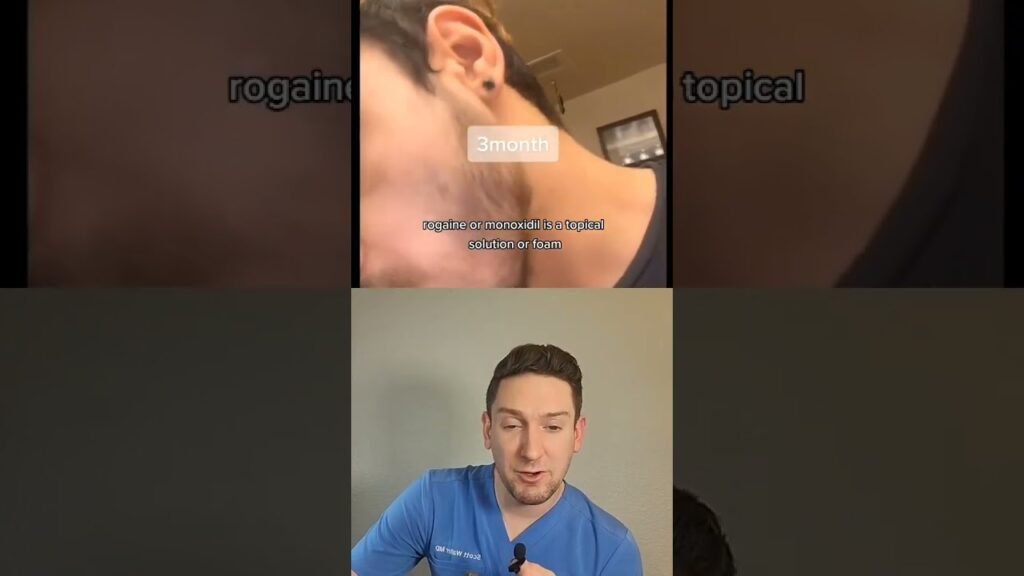
Minoxidil, commonly known for its brand name Rogaine, is a popular topical treatment for hair loss on the scalp. However, many individuals are now exploring its potential effectiveness for beard growth. Can minoxidil be used on beards? The short answer is yes, but its effectiveness can vary from person to person. Originally developed as a treatment for high blood pressure, minoxidils hair growth side effects led to its use as a treatment for hair loss. This has prompted some to experiment with its application on facial hair, seeking to achieve fuller and thicker beards.
How Minoxidil Works on Facial Hair
Minoxidil works by widening blood vessels, which in turn improves blood flow to hair follicles. This increased circulation can help revitalize shrunken hair follicles, potentially stimulating hair growth and increasing the size and thickness of the existing hairs. When applied to the face, some users have reported noticeable improvements in beard density and coverage over time. However, its important to note that results can be highly individual. While some men experience significant beard growth, others may see only minimal changes.
Considerations and Potential Side Effects
Before using minoxidil on your beard, consider the potential side effects and consult with a healthcare professional. Some users may experience skin irritation, dryness, or itchiness at the application site. Additionally, the commitment to applying minoxidil regularly is essential, as discontinuation might lead to the loss of any new hair growth achieved during treatment. It’s also important to use the product as directed, avoiding excessive application which can increase the risk of side effects.
How to Apply Minoxidil on Beard for Optimal Results
Applying Minoxidil to your beard can be a game-changer for those looking to enhance facial hair growth. To start, ensure that your face is clean and dry before application. This helps to remove any dirt or oil that might hinder the absorption of Minoxidil. Use a gentle cleanser and pat your skin dry with a towel to prepare the area effectively.
Step-by-Step Application Process
Begin by measuring the appropriate amount of Minoxidil, usually 1 ml, using the dropper provided with the product. Carefully apply the solution to the areas of your beard where you desire more growth. Its crucial to distribute the solution evenly across these areas for uniform results. Use your fingertips to gently massage the Minoxidil into your skin, ensuring it reaches the hair follicles beneath.
Frequency and Timing for Best Results
For optimal results, apply Minoxidil twice a day, ideally in the morning and evening. Consistency is key, so try to apply it at the same times each day. After applying, allow the solution to dry completely before applying any other skincare products or going to bed. This drying time typically takes about 2 to 4 hours. Following this routine diligently will maximize the effectiveness of Minoxidil in promoting beard growth.
Potential Side Effects of Using Minoxidil on Beard
Using Minoxidil to promote beard growth has become increasingly popular, but its essential to be aware of the potential side effects. While many users experience positive results, some may encounter adverse reactions. One of the most common side effects is skin irritation, which can manifest as redness, itching, or a burning sensation on the application area. This irritation occurs because Minoxidil can sometimes disrupt the skins natural barrier, leading to dryness and discomfort. To mitigate these effects, its advisable to start with a lower concentration and gradually increase as your skin adjusts.
Unwanted Hair Growth
Another potential side effect of using Minoxidil on the beard area is unwanted hair growth in other areas. Because Minoxidil can be absorbed into the bloodstream, it might stimulate hair growth in places other than the intended area, such as the cheeks or neck. This side effect can be particularly concerning for individuals who are not expecting or desiring hair growth in these areas. Its crucial to apply the product carefully and only to the targeted regions to minimize the risk of this occurring.
Systemic Effects and Allergic Reactions
Although rare, some users may experience systemic effects such as dizziness, headaches, or an irregular heartbeat. These symptoms occur because Minoxidil, originally developed as a medication for hypertension, can affect cardiovascular function. If you experience any of these symptoms, its important to discontinue use and consult a healthcare professional immediately. Additionally, allergic reactions, although uncommon, can occur. Symptoms of an allergic reaction include swelling, difficulty breathing, or severe skin rash. Monitoring your bodys response to Minoxidil and seeking medical advice if any severe reactions occur is essential for safe usage.
Frequently Asked Questions About Minoxidil and Beard Growth
Minoxidil has gained popularity as a potential solution for those looking to enhance beard growth. As more people explore this option, several questions arise regarding its effectiveness, application, and potential side effects. Below, we address some of the most common queries.
What is Minoxidil and how does it work for beard growth?
Minoxidil is a topical medication originally developed to treat high blood pressure, but it was found to have the side effect of promoting hair growth. When applied to the face, it can stimulate hair follicles, potentially enhancing beard density and thickness. The exact mechanism isnt fully understood, but its believed that Minoxidil widens blood vessels, increasing blood flow to hair follicles and extending the growth phase of hair.
How should Minoxidil be applied for optimal beard growth?
For those considering using Minoxidil for beard growth, its essential to follow the recommended application instructions. Typically, Minoxidil is applied twice daily to a clean, dry face. Using a dropper or spray, apply the solution to areas where beard growth is desired and gently massage it in. Its crucial to wash hands after application and avoid contact with other areas of the body to prevent unwanted hair growth. Consistency is key, as results may take several months to become noticeable.
Are there any side effects associated with using Minoxidil on the beard?
While many users experience positive results, there are potential side effects to be aware of. Common side effects include skin irritation, dryness, and itching at the application site. Some users may also experience increased hair shedding initially, which is typically temporary. Its important to conduct a patch test before full application to check for allergic reactions. If severe side effects or persistent irritation occur, discontinuing use and consulting a healthcare professional is advised.

