
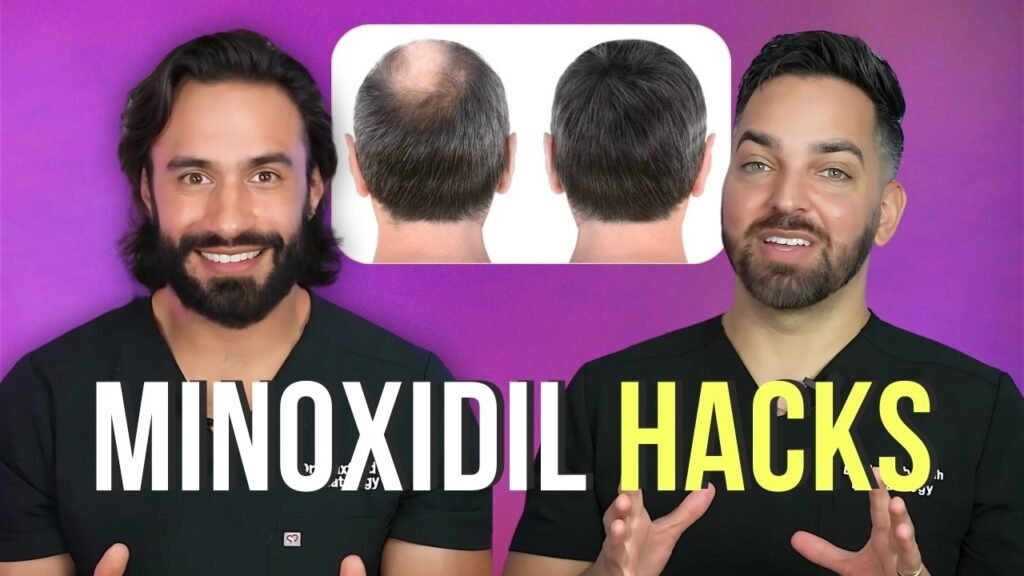
Understanding Minoxidil: What Women Need to Know
Minoxidil is a topical treatment widely recognized for its effectiveness in promoting hair growth and treating hair loss. Originally developed as an oral medication for high blood pressure, its hair-growing side effects led to the creation of topical solutions. For women experiencing hair thinning or alopecia, Minoxidil offers a promising solution. It works by stimulating hair follicles and increasing blood flow to the scalp, which can lead to thicker, fuller hair over time.
How to Use Minoxidil Safely
When using Minoxidil, women should adhere to the recommended dosage and application guidelines. Typically, it is available in 2% and 5% concentrations, with the 5% solution being more potent. Women are generally advised to start with the 2% solution to minimize the risk of side effects. Application involves massaging the solution into the scalp twice daily, allowing it to dry completely before styling or applying other hair products. Consistency is key, as discontinuing use can result in the loss of any hair regrowth achieved.
Potential Side Effects and Considerations
While Minoxidil is generally safe for most women, some may experience side effects. Common side effects include scalp irritation, dryness, and itching. In rare cases, women might notice unwanted facial hair growth due to the solution spreading beyond the scalp. Its important for women to consult with a healthcare professional before starting Minoxidil, especially if they are pregnant, nursing, or have underlying health conditions. By understanding these factors, women can make informed decisions about incorporating Minoxidil into their hair care regimen.
Benefits of Using Minoxidil for Womens Hair Growth
Minoxidil is a popular and effective treatment for women experiencing hair thinning and loss. One of the primary benefits of using Minoxidil is its ability to stimulate hair follicles and promote regrowth. This topical treatment works by enhancing blood flow to the scalp, which in turn nourishes hair follicles and encourages them to enter the anagen, or growth, phase. Women using Minoxidil often notice increased hair density and thickness, making it an appealing option for those seeking to improve their hairs overall appearance and health.
Another significant advantage of Minoxidil is its ease of use. Available in both liquid and foam formulations, Minoxidil can be easily incorporated into daily hair care routines. The application process is straightforward, requiring users to apply the product directly to the scalp in areas experiencing hair loss. This simplicity makes it accessible for women with busy lifestyles, ensuring consistent use and optimal results. Furthermore, Minoxidil is available over-the-counter, eliminating the need for a prescription and making it convenient for women to begin treatment as soon as they notice signs of hair thinning.
Minoxidil is also valued for its clinically proven effectiveness. Numerous studies have demonstrated its ability to promote hair growth in women, providing a sense of assurance for those considering this treatment option. The FDA-approved status of Minoxidil for female pattern hair loss underscores its safety and efficacy. Women using Minoxidil can expect to see visible improvements within a few months of consistent use, offering a promising solution for those struggling with hair loss concerns.
How to Apply Minoxidil: Expert Tips for Women
Applying minoxidil correctly is essential for women looking to address hair thinning or loss. Before you begin, ensure your scalp and hair are completely dry, as moisture can dilute the product and affect its absorption. Start by parting your hair to expose the areas of thinning or hair loss. If you’re using a liquid solution, use the dropper to apply the recommended amount directly onto the scalp, focusing on the affected areas. For foam formulations, dispense it onto your fingers and gently massage it into the scalp.
Step-by-Step Application Process
1. Prepare Your Scalp: Ensure your scalp is clean and dry. Avoid using any other hair products before applying minoxidil.
2. Measure the Correct Dose: Follow the instructions provided with your product to measure the appropriate amount. Typically, this is 1 mL for liquid or half a capful for foam.
3. Apply to Targeted Areas: Use the dropper or your fingertips to apply the product directly onto the scalp. Avoid applying it to your hair.
4. Massage Gently: Use your fingers to gently massage the product into the scalp to ensure even distribution. This helps with absorption and can stimulate blood circulation.
Additional Tips for Effective Use
Consistency is Key: For optimal results, apply minoxidil consistently as directed, usually twice daily. Skipping applications can delay progress and reduce effectiveness. Be Patient: Hair growth is a slow process, and it may take several months before you notice visible results. Avoid the temptation to apply more than recommended, as this wont speed up growth and may increase the risk of side effects. Monitor for Side Effects: Be aware of potential side effects, such as scalp irritation or unwanted facial hair growth. If you experience these, consult a healthcare professional for guidance.
Common Side Effects of Minoxidil in Women and How to Manage Them
Minoxidil, widely used for hair growth, can sometimes cause side effects in women. The most frequently reported side effect is scalp irritation, which may manifest as itching, dryness, or flaking. To manage this, its essential to ensure proper application. Use a gentle shampoo and conditioner to keep the scalp hydrated and reduce irritation. If the problem persists, switching to a lower concentration of minoxidil or consulting a healthcare professional for alternative treatments might be necessary.
Another common side effect experienced by women using minoxidil is unwanted facial hair growth. This occurs because minoxidil can sometimes affect areas beyond the intended application site. To mitigate this, apply the product carefully, avoiding contact with the face. If facial hair growth becomes a concern, consider discussing options like laser hair removal or other hair reduction methods with a dermatologist.
Some women may also experience dizziness or a rapid heartbeat after using minoxidil. These symptoms are less common but can be alarming. Its crucial to monitor how your body responds to the treatment. If dizziness or heart palpitations occur, it might be a sign that your body is absorbing too much of the product. In such cases, reducing the frequency of application or stopping the treatment altogether should be discussed with a healthcare provider to ensure safety and well-being.
Expert Advice: Is Minoxidil the Right Choice for You?
When considering whether Minoxidil is the right choice for your hair loss treatment, its essential to seek expert advice. Minoxidil is a well-known topical medication used to promote hair growth in conditions such as androgenetic alopecia. However, its suitability can vary based on individual health conditions and the specific nature of your hair loss. Consulting with a dermatologist or a healthcare provider is crucial to determine if this treatment aligns with your needs and health profile.
Understanding Your Hair Loss Condition
Before starting Minoxidil, experts recommend identifying the underlying cause of your hair loss. While Minoxidil is effective for many individuals, it is primarily used for pattern baldness. If your hair loss is due to other factors, such as nutritional deficiencies or medical conditions, addressing these root causes may be necessary. A healthcare professional can provide a proper diagnosis and recommend whether Minoxidil is an appropriate treatment option or if alternative therapies should be considered.
Evaluating Potential Side Effects
Experts also emphasize the importance of being aware of potential side effects associated with Minoxidil use. Common side effects include scalp irritation, dryness, and unwanted facial hair growth in some cases. Although these effects are typically mild, they can be bothersome for some individuals. A medical professional can help weigh the benefits against the potential risks and discuss any concerns you might have about starting Minoxidil. Additionally, they can provide guidance on the correct application to minimize side effects and enhance effectiveness.
In summary, determining if Minoxidil is the right choice for you involves a thorough evaluation by a healthcare expert. Their insights will help tailor a treatment plan that considers your specific hair loss condition and overall health, ensuring the best possible outcome.

