
Understanding Scalp Health and Its Importance
The scalp, often overlooked in daily grooming routines, plays a pivotal role in the overall health and appearance of your hair. A healthy scalp is the foundation for strong and vibrant hair growth, while an unhealthy one can lead to a host of issues, including dandruff, hair loss, and irritation. Understanding scalp health involves recognizing the balance of natural oils, skin cell turnover, and the presence of beneficial microorganisms that together maintain the scalps ecosystem.
Key Factors Affecting Scalp Health
Several factors can influence scalp health, including diet, stress levels, and hair care practices. A balanced diet rich in vitamins and minerals, particularly those that support skin health like vitamins A, C, and E, can significantly impact the scalps condition. Stress can also trigger hormonal changes that may lead to scalp issues, so managing stress through relaxation techniques and regular exercise is crucial. Additionally, choosing the right hair care products is vital; harsh chemicals and excessive heat styling can strip the scalp of its natural oils, leading to dryness and irritation.
The Importance of Regular Scalp Care
Maintaining a regular scalp care routine is essential for promoting a healthy environment for hair growth. This can include regular cleansing to remove excess oil and product buildup, gentle exfoliation to eliminate dead skin cells, and moisturizing to ensure adequate hydration. Scalp massages can also enhance blood circulation, supporting nutrient delivery to hair follicles. By prioritizing scalp health, individuals can prevent common issues and foster a healthier, more resilient head of hair.
What is Minoxidil and How Does It Work?
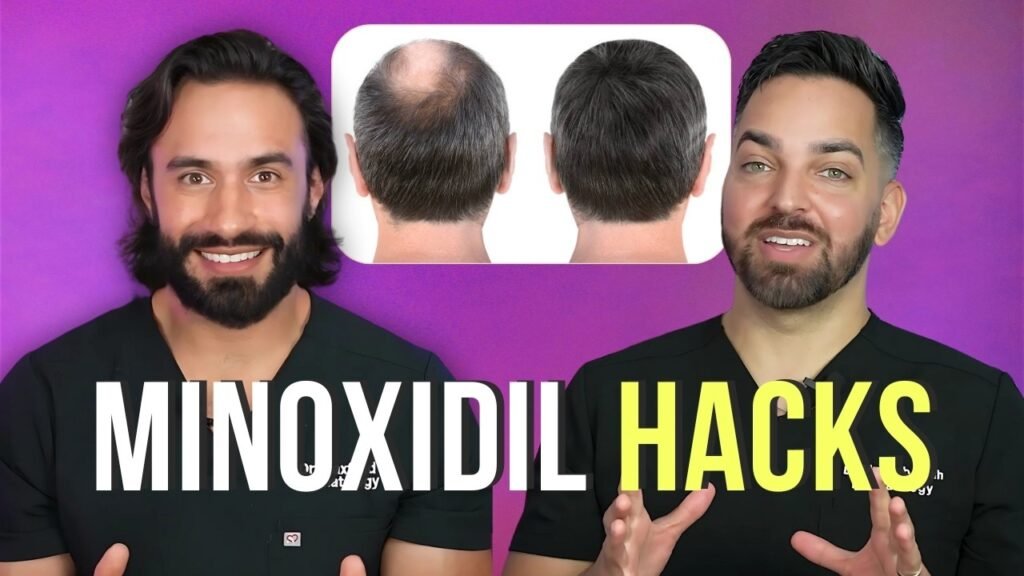
Minoxidil is a topical medication primarily used to treat hair loss and promote hair regrowth in individuals experiencing androgenetic alopecia, commonly known as male or female pattern baldness. Originally developed as an oral medication for high blood pressure, it was discovered that one of its side effects was increased hair growth, leading to its adaptation for treating hair loss. Minoxidil is available in various concentrations, typically 2% and 5%, and is applied directly to the scalp, allowing it to target affected areas more effectively.
Mechanism of Action
The exact mechanism by which minoxidil promotes hair growth is not entirely understood, but it is believed to work by prolonging the anagen phase, or the active growth phase of hair follicles. This prolongation allows hair to grow longer and thicker before entering the resting phase. Additionally, minoxidil is thought to improve blood circulation to the hair follicles, enhancing nutrient delivery and promoting a healthier scalp environment conducive to hair growth. By encouraging the enlargement of miniaturized hair follicles, minoxidil helps to counteract the effects of androgenetic alopecia.
Application and Usage
For optimal results, minoxidil should be applied consistently as part of a daily routine. Users typically apply the solution or foam to dry hair and scalp, ensuring even distribution over the affected areas. Its important to note that minoxidil is most effective for individuals who have recently begun experiencing hair loss, as it may not significantly reverse advanced balding. Users might notice an initial increase in hair shedding as weaker hairs make way for stronger growth, but with regular application, many individuals report visible improvements in hair density and coverage.
Benefits of Using Minoxidil for Scalp Health
Minoxidil, a popular over-the-counter treatment, is renowned for its ability to promote hair growth and improve scalp health. One of the primary benefits of using minoxidil is its ability to stimulate hair follicles, encouraging them to enter the anagen (growth) phase. This is particularly beneficial for individuals experiencing hair thinning or early stages of hair loss, as it can help to increase hair density and thickness. By revitalizing dormant hair follicles, minoxidil contributes to a healthier scalp environment, which is essential for robust hair growth.
Another significant advantage of minoxidil is its role in improving blood circulation to the scalp. Enhanced blood flow ensures that hair follicles receive adequate nutrients and oxygen, which are vital for healthy hair growth. This improved circulation not only supports existing hair but also creates optimal conditions for new hair to emerge. A well-nourished scalp can reduce issues like dryness and flakiness, promoting an overall healthier scalp condition.
Furthermore, minoxidils ease of use and accessibility make it a practical choice for many individuals seeking to improve their scalp health. Available in topical solutions and foam forms, it can be easily incorporated into daily hair care routines. Regular application can help maintain scalp vitality, ensuring that hair remains strong and less prone to breakage. With consistent use, minoxidil serves as a reliable ally in the pursuit of maintaining and enhancing scalp health.
Potential Side Effects of Minoxidil on the Scalp
When considering the use of minoxidil for hair regrowth, its crucial to be aware of its potential side effects on the scalp. While many users experience positive results, some may encounter adverse reactions. One common side effect is scalp irritation, which can manifest as redness, itching, or dryness. This occurs as the scalp adjusts to the new treatment, and in most cases, these symptoms are mild and temporary. However, if irritation persists, its advisable to consult a healthcare professional.
Another potential side effect is the occurrence of unwanted hair growth in areas adjacent to the scalp. This can happen if minoxidil accidentally spreads to areas such as the forehead or face during application. To minimize this risk, ensure that the solution is applied precisely to the scalp and wash hands thoroughly after use. In rare cases, users may also experience changes in hair texture or color, though these effects are not well-documented and may vary from person to person.
Allergic reactions are another possible side effect, although they are less common. Signs of an allergic reaction can include severe itching, rash, or swelling. If you experience these symptoms, discontinue use immediately and seek medical advice. Its important to note that while side effects can be concerning, they are not experienced by everyone. Monitoring your scalps response and consulting with a healthcare provider can help manage any adverse effects effectively.
Should You Use Minoxidil for Scalp Health?
Minoxidil is a widely recognized treatment primarily used for stimulating hair growth and slowing hair loss, particularly in conditions like androgenetic alopecia. However, when it comes to overall scalp health, the benefits of minoxidil can be somewhat indirect. While it is not specifically designed to improve scalp health, its role in promoting blood circulation to hair follicles can lead to healthier hair growth, which may contribute to an overall healthier scalp environment.
Before considering minoxidil for scalp health, its important to understand how it works. Minoxidil is a vasodilator, which means it helps widen blood vessels and improve blood flow. This increased blood circulation to the scalp can potentially nourish hair follicles, promoting stronger and potentially healthier hair growth. This indirect effect on the scalp can sometimes be beneficial, as improved blood flow may support a healthier scalp environment over time. However, its crucial to note that minoxidil is not a cure-all for scalp conditions such as dandruff or psoriasis.
For those contemplating using minoxidil, its essential to be aware of potential side effects. Some users report scalp irritation, dryness, or flaking, which could potentially exacerbate existing scalp issues. Therefore, individuals with sensitive skin or pre-existing scalp conditions should consult with a healthcare professional before starting minoxidil. Incorporating a comprehensive scalp care routine that includes gentle cleansing, moisturizing, and possibly other treatments specifically targeting scalp health, can provide a more holistic approach to maintaining a healthy scalp while using minoxidil.

