
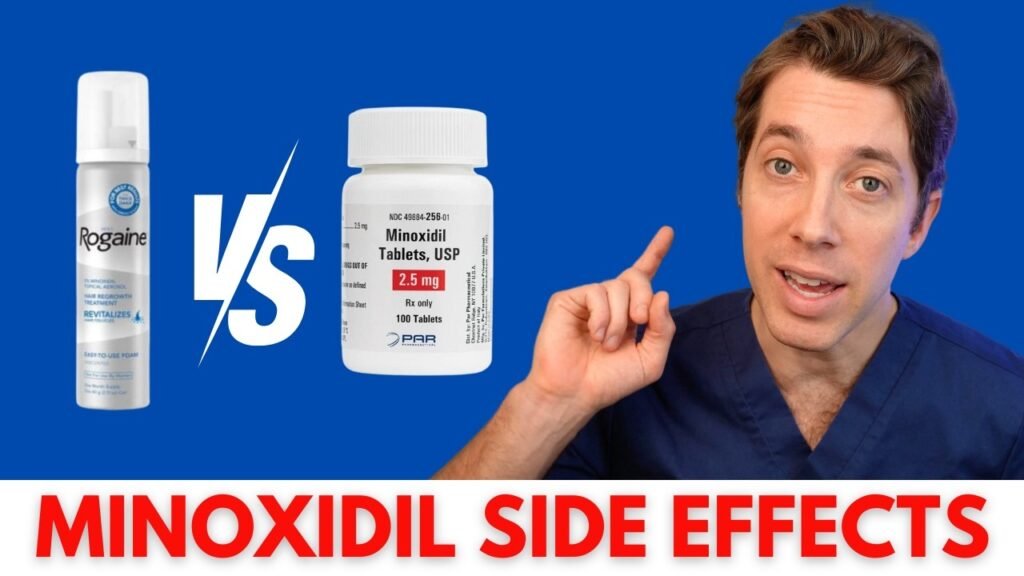
Understanding Minoxidil: What is it and How Does it Work?
Minoxidil is a well-known over-the-counter medication primarily used to combat hair loss and stimulate hair growth. Originally developed as an oral medication for high blood pressure, it was discovered that one of its side effects was excessive hair growth. This led to the development of topical solutions specifically designed for hair regrowth. Minoxidil is commonly available in 2% and 5% concentrations and is applied directly to the scalp, making it a popular choice for those experiencing thinning hair or androgenetic alopecia.
How Minoxidil Works
Minoxidils exact mechanism of action is not fully understood, but it is believed to work by prolonging the anagen phase of the hair growth cycle. The anagen phase is the active growth phase, and by extending this period, minoxidil helps increase the size of hair follicles, leading to thicker and longer hair strands. Additionally, minoxidil is thought to enhance blood flow to the hair follicles by dilating blood vessels, which may provide more nutrients and oxygen to stimulate hair growth.
When applied consistently, minoxidil can help slow down hair loss and promote regrowth in some individuals. It is important to note that results can vary from person to person, and it typically takes several months of regular use to observe noticeable improvements. The effectiveness of minoxidil also depends on factors such as the extent of hair loss and individual response to the treatment.
Common Side Effects of Minoxidil in Women
Minoxidil is a popular topical treatment for hair loss, often used by women experiencing thinning hair or alopecia. While it can be effective in promoting hair growth, its important to be aware of the common side effects associated with its use. Understanding these potential side effects can help women make informed decisions about their hair loss treatment options.
One of the most frequently reported side effects of minoxidil in women is scalp irritation. This can manifest as itching, redness, or a burning sensation at the application site. For some women, this irritation may be mild and temporary, while others may experience more persistent discomfort. Its essential to monitor any skin reactions and consult a healthcare provider if the irritation becomes severe or does not subside over time.
Another common side effect of minoxidil is unwanted facial hair growth. This occurs because minoxidil can stimulate hair growth in areas other than the scalp. Women may notice increased hair growth on the face, such as the upper lip or chin. This side effect can be distressing for some users, and adjustments to the application technique or dosage may be necessary to mitigate this issue.
In some cases, women using minoxidil may experience changes in hair texture. This can include the development of fine or fuzzy hair, which may differ from the existing hair on the scalp. While this side effect is generally not harmful, it can affect the overall appearance of the hair and may require additional styling or care to manage effectively.
How to Manage and Reduce Minoxidil Side Effects
Minoxidil, a popular treatment for hair loss, can sometimes lead to side effects that users may find concerning. To effectively manage and reduce these side effects, it is essential to understand the common reactions and how to address them. Itchy scalp, redness, and dandruff are some of the most frequently reported issues. To alleviate these symptoms, consider using a gentle, sulfate-free shampoo and conditioner to keep your scalp moisturized and reduce irritation. Additionally, applying minoxidil to a dry scalp can help minimize the chances of an adverse reaction.
Adjusting Dosage and Application Frequency
Another strategy to manage side effects is adjusting the dosage and application frequency. If you experience severe side effects, consult with a healthcare professional who may recommend starting with a lower concentration of minoxidil or reducing the frequency of application. This gradual introduction allows your body to acclimate to the treatment, potentially minimizing adverse effects. Its important to follow the instructions provided by your healthcare provider and not to exceed the recommended dose, as overuse can exacerbate side effects.
Incorporating Moisturizing Products
Incorporating moisturizing products into your hair care routine can also be beneficial in managing minoxidil side effects. Look for products containing natural oils, such as argan oil or jojoba oil, which can provide additional hydration to your scalp. These ingredients help create a barrier that locks in moisture, preventing dryness and flakiness. Regularly massaging your scalp with these oils can also improve blood circulation, promoting overall scalp health and potentially enhancing the effectiveness of minoxidil.
Expert Tips: Safe Usage of Minoxidil for Women
Minoxidil is a popular treatment for hair loss, but its crucial for women to use it safely and effectively. Consultation with a healthcare provider is the first step. Before starting minoxidil, discuss your medical history with a dermatologist or healthcare professional to ensure its suitable for you. Certain conditions, like pregnancy or specific skin issues, may affect your ability to use minoxidil.
Correct Application Techniques
Proper application is essential for the effectiveness of minoxidil. Apply it to a dry scalp and ensure that the product is fully absorbed. Avoid washing your hair for at least four hours after application to maximize absorption. Use the recommended amount, typically one milliliter, and apply it twice daily for the best results. Overuse does not enhance effectiveness and can lead to unwanted side effects.
Monitoring for Side Effects
Be vigilant about potential side effects, which may include scalp irritation or unwanted facial hair growth. Start with the lowest concentration available, usually 2% for women, to minimize risks. If you experience severe side effects or if the product causes significant discomfort, discontinue use and consult your healthcare provider immediately. Regular follow-ups with your dermatologist can help manage any adverse reactions and ensure the treatment is working as intended.
When to Consult a Doctor About Minoxidil Side Effects
Minoxidil is a popular treatment for hair loss, but like any medication, it can have side effects that may require medical attention. It is crucial to be aware of these side effects and understand when it is necessary to seek professional advice. While some reactions are mild and temporary, others can be more severe and demand immediate consultation with a healthcare provider.
Common Side Effects to Monitor
Some common side effects of minoxidil include itching, redness, or irritation at the application site. These are generally mild and tend to subside as your body adjusts to the medication. However, if these symptoms persist or worsen, it may be time to consult a doctor. Persistent scalp irritation could indicate an allergic reaction or a need for a different formulation of the product.
Serious Side Effects Requiring Immediate Attention
In some cases, minoxidil can cause more serious side effects such as chest pain, rapid heartbeat, or dizziness. These symptoms could signal a cardiovascular issue, and it is imperative to seek medical help immediately. Additionally, if you experience sudden weight gain or swelling of the hands and feet, it is important to consult a doctor promptly as these could be signs of fluid retention, a rare but serious side effect of minoxidil.

