
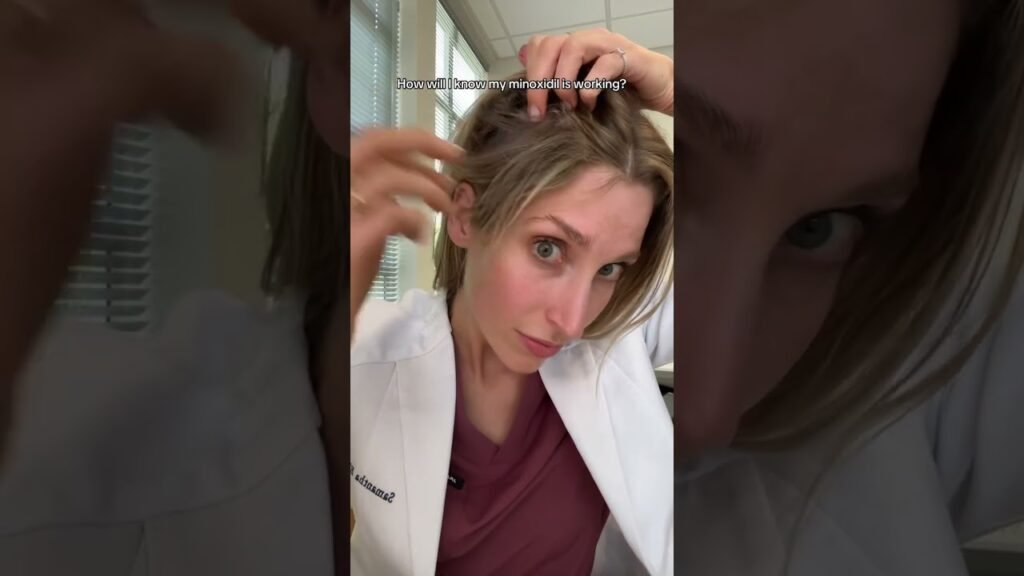
Understanding Long-term Minoxidil Use in Women
Minoxidil is a widely recognized treatment for hair loss, and its long-term use in women has garnered significant attention due to its effectiveness and potential side effects. Originally approved by the FDA for male pattern baldness, minoxidil has become a popular option for women dealing with thinning hair or alopecia. Understanding how long-term use impacts women is crucial for making informed decisions about treatment options.
Effectiveness of Minoxidil in Women
When used consistently over the long term, minoxidil can help women maintain and even improve hair density. The treatment works by stimulating hair follicles and prolonging the anagen phase of the hair growth cycle. Studies have shown that women using minoxidil experience increased hair regrowth and reduced hair thinning over time. However, the extent of effectiveness can vary based on individual factors such as genetics, the extent of hair loss, and adherence to the treatment regimen.
Potential Side Effects of Long-term Use
While minoxidil is generally well-tolerated, long-term use may lead to some side effects. Commonly reported issues include scalp irritation, dryness, or itching. In some cases, women may experience unwanted facial hair growth due to systemic absorption. It is important for users to monitor any changes and consult with healthcare providers if adverse effects become bothersome. Additionally, discontinuing minoxidil may lead to a reversal of hair regrowth, highlighting the need for ongoing use to maintain results.
Considerations for Women Using Minoxidil
Women considering long-term minoxidil use should weigh the benefits against potential drawbacks. Consistency is key; irregular application can diminish the treatments effectiveness. Its advisable for users to start with a lower concentration, such as the 2% solution specifically designed for women, to minimize side effects. Regular consultations with dermatologists or healthcare professionals can provide personalized advice and adjustments to the treatment plan, ensuring optimal results and minimizing risks.
Benefits of Long-term Minoxidil Application for Women
Long-term application of minoxidil offers several significant benefits for women experiencing hair thinning or hair loss. As a topical solution, minoxidil is known for its ability to stimulate hair follicles, promoting hair growth and increasing hair density. This is particularly beneficial for women who suffer from androgenetic alopecia, a common condition characterized by progressive hair thinning. By maintaining a consistent application over an extended period, women can often see improved hair coverage and a noticeable increase in hair volume.
One of the primary advantages of using minoxidil over the long term is the potential for sustained results. While some women may begin to notice changes within a few months of use, continued application is crucial for maximizing benefits. Long-term use helps to maintain the hair growth cycle, ensuring that hair remains in the anagen, or growth phase, for a longer duration. This can lead to not only more hair growth but also the strengthening of existing hair strands, reducing breakage and enhancing overall hair health.
Improved Self-Confidence and Quality of Life
Another significant benefit of long-term minoxidil application is the positive impact on a womans self-confidence and overall quality of life. Hair plays a vital role in personal identity and self-perception, and thinning hair can often lead to feelings of self-consciousness and distress. By promoting hair regrowth and improving hair density, minoxidil can help women regain a sense of normalcy and confidence in their appearance. This renewed confidence can have far-reaching effects, influencing social interactions, professional opportunities, and personal well-being.
Potential Side Effects of Minoxidil in Long-term Use
Minoxidil is widely used for treating hair loss, but long-term use may lead to certain side effects. One of the most common concerns is skin irritation. Users may experience redness, itchiness, or dryness of the scalp. These symptoms can be bothersome, particularly if the product is used continuously over an extended period. In some cases, switching to a lower concentration of minoxidil or using it less frequently may alleviate these issues.
Unwanted Hair Growth
Another potential side effect is the development of unwanted hair growth in areas other than the scalp, such as the face or hands. This condition, known as hypertrichosis, can be particularly concerning for female users. Regular monitoring and consulting with a healthcare provider can help manage this side effect. Adjustments in the application technique or switching to a different formulation might be necessary to minimize unwanted hair growth.
Changes in Hair Texture and Shedding
Long-term use of minoxidil can also lead to changes in hair texture, making hair appear finer or more brittle. Some users report an increase in hair shedding initially, which can be alarming. However, this is often a temporary phase as the hair follicles adjust to the treatment. Continued use typically results in a reduction of shedding and a return to normal hair texture. Patience and consistent application are key to achieving desired results while minimizing adverse effects.
Expert Tips for Safe and Effective Minoxidil Use in Women
When it comes to using Minoxidil for hair regrowth, women need to adhere to specific guidelines to ensure both safety and effectiveness. First and foremost, consultation with a healthcare professional is crucial before starting Minoxidil treatment. This step is essential to confirm that Minoxidil is suitable for your specific condition and to understand any potential interactions with other medications or underlying health issues.
Proper Application Techniques
Applying Minoxidil correctly can significantly influence the results. Experts recommend using the product on a clean, dry scalp. For optimal absorption, apply the recommended amount of Minoxidil using the dropper or spray provided, and gently massage it into the scalp. Avoid washing your hair immediately after application, as this can reduce the effectiveness of the treatment. Instead, allow the product to dry naturally, which typically takes about 2 to 4 hours.
Consistency and Patience
Consistency is key when it comes to achieving noticeable results with Minoxidil. Women are advised to apply the product twice daily, or as directed by a healthcare provider, to maintain steady progress. It’s important to remember that hair regrowth is a gradual process; therefore, patience is essential. Many women may start to see initial results within 3 to 6 months, but full results can take up to a year. Staying committed to the treatment regimen without interruption will maximize the chances of success.
Real-life Experiences: Women Share Their Long-term Minoxidil Journey
Women across the globe have turned to Minoxidil as a solution for hair thinning and loss, and their stories offer valuable insights into its long-term use. Anna, a 35-year-old from New York, began her Minoxidil journey five years ago. She recalls, «Initially, I was skeptical, but after consistent use, I noticed my hair felt thicker and looked healthier.» Anna emphasizes the importance of patience, as significant results took several months to appear. Her experience underscores the need for persistence and highlights how Minoxidil can be a transformative part of a long-term hair care routine.
Another inspiring story comes from Maya, a 42-year-old teacher, who had struggled with hereditary hair loss since her early 30s. Maya started using Minoxidil after a friends recommendation and describes the journey as «life-changing.» She shares, «The first few months were tough; there was shedding, and I almost gave up. But sticking with it was the best decision I made.» Mayas story illustrates the challenges and rewards of committing to a Minoxidil regimen, emphasizing the importance of understanding the initial shedding phase as a part of the process.
Sarah, a 28-year-old blogger, offers a different perspective, focusing on the emotional impact of her Minoxidil journey. «Hair loss took a toll on my confidence,» she admits. «Minoxidil didnt just help my hair grow; it helped me regain my self-esteem.» Sarahs account highlights the profound psychological benefits that can accompany physical improvements. Her experience is a testament to how long-term use of Minoxidil can contribute to both personal and aesthetic growth, offering hope and support to other women facing similar challenges.

