
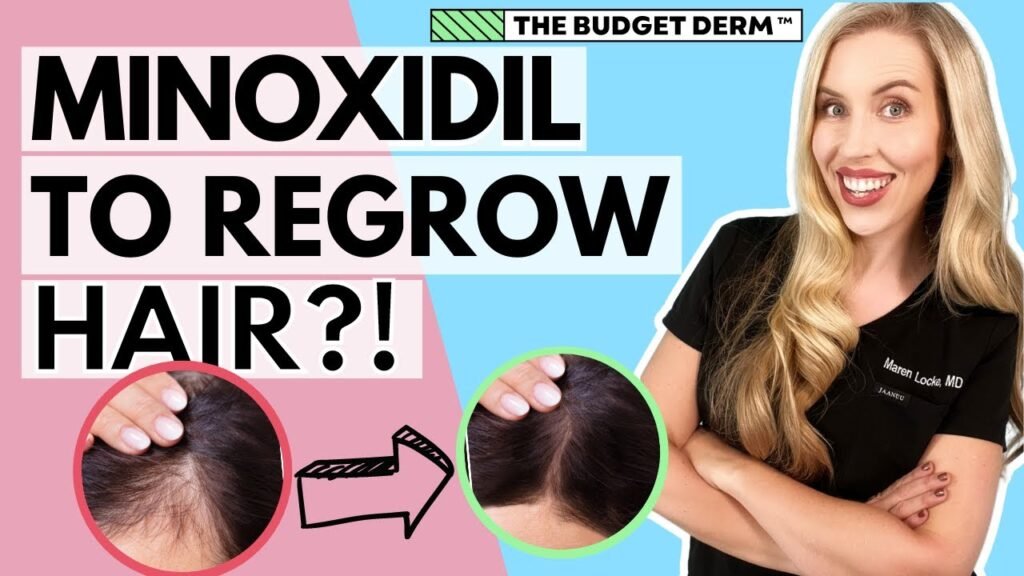
Understanding Minoxidil: What It Is and How It Works
Minoxidil is a topical medication widely recognized for its effectiveness in treating hair loss. Originally developed as an oral medication for high blood pressure, researchers discovered that one of its side effects was unexpected hair growth. This led to the development of minoxidil as a topical solution specifically for promoting hair regrowth. Available in various strengths, typically 2% and 5%, minoxidil is commonly used to treat androgenetic alopecia, a genetic condition that causes hair thinning and baldness.
How Minoxidil Works
The exact mechanism by which minoxidil stimulates hair growth is not fully understood, but it is believed to work by prolonging the anagen phase of the hair growth cycle. The anagen phase is the active growth phase, and by extending its duration, minoxidil helps increase hair density and thickness. Additionally, minoxidil may enhance blood flow to the hair follicles, delivering more nutrients and oxygen that support healthy hair growth.
Application and Usage
Minoxidil is applied directly to the scalp, where it is absorbed into the skin and reaches the hair follicles. For optimal results, it is important to use the product consistently, as directed, usually twice daily. Users should be aware that it may take several months to notice visible improvements, and continuous use is necessary to maintain results. Its important to follow the instructions carefully and consult a healthcare provider if any irritation or side effects occur.
Do You Need Minoxidil for Hair Loss: Key Considerations
Minoxidil is a popular topical treatment used for addressing hair loss, particularly in conditions like androgenetic alopecia, commonly known as male or female pattern baldness. When considering whether you need Minoxidil for hair loss, its important to evaluate the specific type of hair loss you are experiencing. Minoxidil is FDA-approved for promoting hair growth and is most effective in individuals with hereditary hair loss. If your hair loss is due to other factors such as nutritional deficiencies, stress, or medical conditions, Minoxidil may not be the most suitable treatment.
Effectiveness and Usage
Before deciding on Minoxidil, its crucial to understand its effectiveness and proper usage. Studies have shown that Minoxidil can help to increase hair density and slow down hair loss progression. However, results vary among individuals, and consistent application is necessary for the treatment to be effective. Typically, it takes several months to notice visible improvements, and continuous use is required to maintain results. Its available in various formulations, such as 2% and 5% solutions or foams, with the 5% concentration generally recommended for greater efficacy.
Potential Side Effects
Another key consideration is the potential side effects associated with Minoxidil use. While many people tolerate the treatment well, some may experience scalp irritation, itching, or dryness. In rare cases, more severe side effects can occur, such as unwanted facial hair growth or changes in hair texture. Its important to monitor your bodys response to the treatment and consult with a healthcare professional if you experience any adverse effects. Always consider the potential risks and benefits before starting Minoxidil to ensure its the right choice for your hair loss needs.
Comparing Minoxidil with Other Hair Growth Products
When it comes to combating hair loss, Minoxidil stands out as a popular choice among consumers, but how does it compare to other hair growth products on the market? Minoxidil, an FDA-approved topical solution, is widely recognized for its efficacy in stimulating hair regrowth in cases of androgenetic alopecia. Its primary function is to increase blood flow to the hair follicles, thereby promoting hair growth. However, its essential to weigh its benefits against other available treatments to make an informed decision.
Effectiveness and Usage
Minoxidil is often compared to products like Finasteride, another FDA-approved treatment for hair loss. While Minoxidil is a topical treatment applied directly to the scalp, Finasteride is an oral medication that works by inhibiting the production of dihydrotestosterone (DHT), a hormone linked to hair loss. Minoxidil is generally considered effective for both men and women, while Finasteride is typically prescribed only for men due to potential side effects in women. Another competitor in the market is natural-based treatments, such as those containing saw palmetto or biotin. While these alternatives boast fewer side effects, their effectiveness may not be as well-documented or potent as Minoxidil.
Side Effects and Safety
When evaluating Minoxidil against other hair growth products, side effects and safety are crucial considerations. Common side effects of Minoxidil include scalp irritation and unwanted facial hair growth, which can be concerning for some users. In contrast, Finasteride users may experience sexual side effects, which are a significant drawback for many. Natural products, though generally safer, may not provide the rapid results that pharmaceutical options like Minoxidil offer. Its important for users to assess their tolerance for potential side effects when choosing a treatment.
Potential Side Effects of Minoxidil and Other Hair Products
Minoxidil, a popular topical treatment for hair loss, is generally well-tolerated, but it can cause side effects in some users. The most common side effects include scalp irritation, itching, and dryness. Some individuals may experience flaking or redness at the application site. These reactions are typically mild and may diminish as your scalp adjusts to the product. However, if irritation persists, its advisable to consult a healthcare professional to ensure the product is suitable for your skin type.
Allergic Reactions and Sensitivity
In rare cases, users may experience an allergic reaction to minoxidil or other hair products. Symptoms of an allergic reaction can include severe itching, swelling, or a rash. Its crucial to perform a patch test before using any new hair product to gauge your skins reaction. If you suspect an allergic reaction, discontinue use immediately and seek medical advice. Sensitivity can also be heightened by other ingredients commonly found in hair products, such as fragrances or preservatives, which may exacerbate scalp irritation.
Systemic Side Effects
Though uncommon, systemic side effects can occur if minoxidil is absorbed into the bloodstream. This can happen if the product is over-applied or used on broken skin. Symptoms may include dizziness, rapid heartbeat, or unwanted facial hair growth. Its essential to follow the application instructions carefully to minimize the risk of these side effects. Additionally, other hair growth products, especially those containing strong active ingredients, can also pose systemic risks if not used as directed. Always adhere to recommended usage guidelines and consult with a healthcare provider if you experience any unusual symptoms.
How to Choose the Right Hair Product for Your Needs
Selecting the perfect hair product can feel overwhelming given the plethora of options available on the market. To make an informed decision, its crucial to understand your hair type and its specific needs. Start by assessing whether your hair is fine, thick, curly, straight, oily, or dry. Each hair type has unique requirements, and using products tailored to these can enhance your hairs health and appearance. For instance, fine hair often benefits from lightweight products that add volume without weighing it down, while curly hair may require richer, more hydrating formulations to maintain moisture and definition.
Identify Your Hair Concerns
Beyond hair type, its important to pinpoint any specific concerns you may have, such as dandruff, frizz, or color-treated hair. Each of these concerns requires specialized products with targeted ingredients. For example, if dandruff is an issue, look for shampoos containing zinc pyrithione or salicylic acid, which are known for their anti-dandruff properties. If frizz control is your goal, consider products with ingredients like argan oil or shea butter that provide extra moisture and smoothness. Those with color-treated hair should seek out sulfate-free shampoos and conditioners to preserve color vibrancy and prevent fading.
Consider Product Ingredients and Formulation
When choosing hair products, always pay attention to the ingredient list and formulation. Avoid products with harsh chemicals like sulfates and parabens, as these can strip your hair of its natural oils and cause damage over time. Instead, opt for products enriched with natural oils, proteins, and vitamins that nourish and strengthen your hair. Additionally, consider the formulation of the product—whether its a cream, gel, serum, or spray—and how it will interact with your hair. For instance, gels may offer strong hold for styling, but might not be ideal for those with fine hair looking for a natural, airy finish.

