
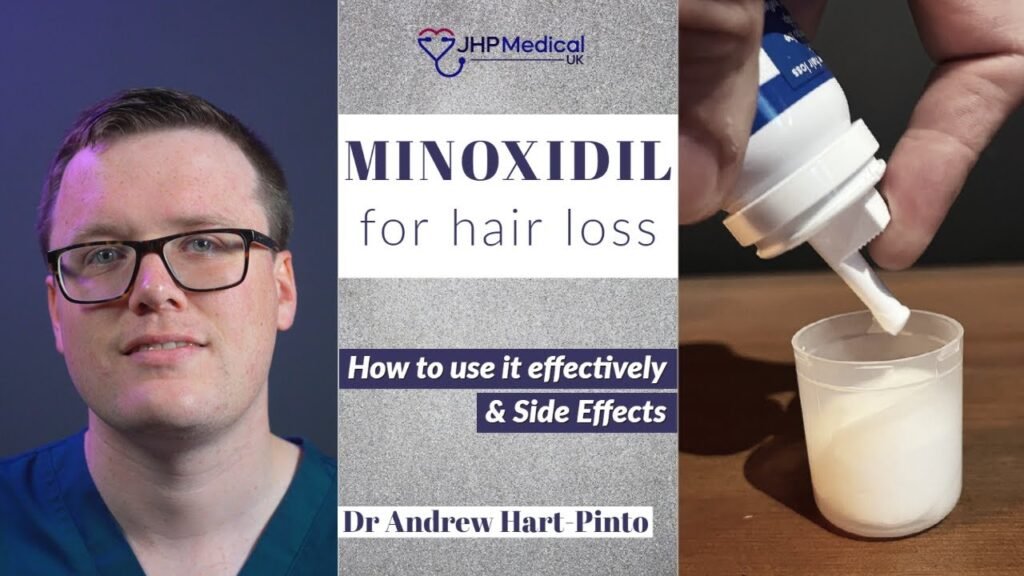
Understanding Minoxidil: What It Is and How It Works
Minoxidil is a well-known medication primarily used for treating hair loss. Originally developed as an oral medication for high blood pressure, it was discovered to have a unique side effect: it promoted hair growth. This discovery led to the development of topical formulations specifically designed to combat hair thinning and balding. Minoxidil is most commonly available in liquid or foam form and is applied directly to the scalp. It is FDA-approved for use in both men and women, making it a versatile option for those experiencing hair loss.
How Minoxidil Works
The exact mechanism of how minoxidil promotes hair growth is not fully understood, but it is believed to work by widening the blood vessels in the scalp. This action increases blood flow to hair follicles, providing them with more oxygen and nutrients, which can stimulate hair growth. Additionally, minoxidil is thought to prolong the anagen phase, which is the active growth phase of hair follicles. By extending this phase, minoxidil allows hair to grow longer and thicker before entering the resting phase.
Application and Results
For optimal results, minoxidil should be applied consistently, usually twice a day, to the affected areas of the scalp. Users typically begin to see visible results after about four to six months of regular use, although individual experiences may vary. Its important to note that the benefits of minoxidil are maintained only with continuous use; discontinuing treatment can result in the resumption of hair loss. While generally well-tolerated, some users may experience side effects such as scalp irritation or unwanted facial hair growth, particularly in women.
When to Start Using Minoxidil for Hair Loss Treatment
Deciding when to start using Minoxidil for hair loss treatment is crucial for maximizing its effectiveness. Minoxidil, an FDA-approved topical medication, is often recommended for individuals experiencing the early stages of hair thinning or androgenetic alopecia. Its typically advised to begin treatment as soon as you notice consistent hair shedding or thinning, especially if it runs in your family. Early intervention can help in maintaining existing hair and potentially regrowing lost hair.
Understanding the progression of your hair loss is key to determining the right time to start Minoxidil. If you notice a receding hairline or thinning crown, its wise to consult with a healthcare professional to assess the extent of your hair loss and discuss whether Minoxidil is suitable for you. Early application of Minoxidil can slow down hair loss and, in some cases, promote regrowth, making it an effective component of your hair care regimen when started promptly.
Its important to consider your age and the pattern of hair loss before starting Minoxidil. While its commonly used by men and women in their 20s to 40s, those experiencing rapid hair loss at a younger age might benefit from an earlier start. Additionally, individuals with other underlying health conditions should consult with a healthcare provider to ensure Minoxidil is a safe option. Starting treatment at the right time can significantly impact the success of your hair restoration journey.
How Long Should You Use Minoxidil to See Results?
When starting on a Minoxidil regimen, patience is key. Generally, it takes a consistent application over a period of time to observe noticeable changes. Most users begin to see initial results within 3 to 6 months of daily use. During this period, you might notice some shedding of hair, which is a normal part of the hair growth cycle as weaker hairs make way for stronger ones.
Initial Expectations
Its important to set realistic expectations when using Minoxidil. In the first few months, you might notice increased hair shedding. This is often a sign that the product is working, as it stimulates the hair follicles to enter the growth phase. By the end of the third month, some users may observe the growth of fine, soft hairs, indicating the beginning of the treatments effectiveness.
Long-Term Use and Maintenance
For optimal results, continued use beyond the initial months is essential. Many individuals experience significant improvement in hair density and thickness around the 6 to 12-month mark. Consistent application as directed is crucial, as discontinuing use can lead to a reversal of the progress made. Its advisable to incorporate Minoxidil into your daily routine as a long-term commitment for maintaining the results achieved.
Factors Influencing the Duration of Minoxidil Use
When considering the duration of Minoxidil use, several key factors come into play. One of the most significant influences is the individuals response to treatment. Some users may notice visible improvements in hair growth within a few months, while others may take longer to see any noticeable changes. This variability is largely due to genetic differences, the severity of hair loss, and the underlying cause of the condition. As a result, healthcare providers often recommend a trial period of at least six months to a year to adequately assess the effectiveness of Minoxidil for a particular individual.
Another crucial factor is the consistency and frequency of application. Minoxidil is typically applied once or twice daily, and missing doses can significantly affect its efficacy. Consistent application ensures that the medication maintains the necessary concentration in the scalp to stimulate hair follicles effectively. Users who adhere to the recommended application schedule are more likely to experience positive results, potentially influencing the overall duration of use. Conversely, irregular application may prolong the time needed to achieve desired outcomes or may even render the treatment ineffective over time.
The type and concentration of Minoxidil used also play a role in determining the duration of use. Minoxidil is available in various formulations, including liquid solutions and foam, and at different concentrations, such as 2% and 5%. Higher concentrations may provide quicker results for some individuals but could also increase the risk of side effects. The choice of formulation and concentration should be tailored to the users specific needs and tolerance levels, often in consultation with a healthcare professional. This tailored approach can impact how long a person continues using Minoxidil, as achieving optimal results with minimal side effects may encourage prolonged use.
Long-term Effects of Minoxidil: What You Need to Know
Minoxidil is a popular over-the-counter treatment for hair loss, often marketed under brand names like Rogaine. While its short-term effects are well-documented, understanding the long-term effects of Minoxidil is crucial for those considering sustained use. One of the primary concerns is the dependency that develops over time. Once you start using Minoxidil, discontinuation can lead to the shedding of newly regrown hair, often resulting in a return to the baseline level of hair loss. Therefore, users must be prepared for lifelong commitment if they wish to maintain results.
Another aspect to consider is the potential for side effects with prolonged use. While Minoxidil is generally well-tolerated, some individuals may experience scalp irritation, dryness, or itching over time. More rarely, systemic effects like dizziness or an increased heart rate can occur, particularly if the medication is used incorrectly. It’s essential for users to monitor their reactions and consult with a healthcare provider if they experience any concerning symptoms.
In addition to side effects, the efficacy of Minoxidil over the long term can vary among individuals. Some users may notice that the effectiveness diminishes after several years of use. This plateau effect can be frustrating for those who initially experienced significant hair regrowth. Research suggests that combining Minoxidil with other treatments, such as finasteride, may enhance and sustain results, but this should be discussed with a healthcare professional to tailor a personalized hair loss strategy.

