
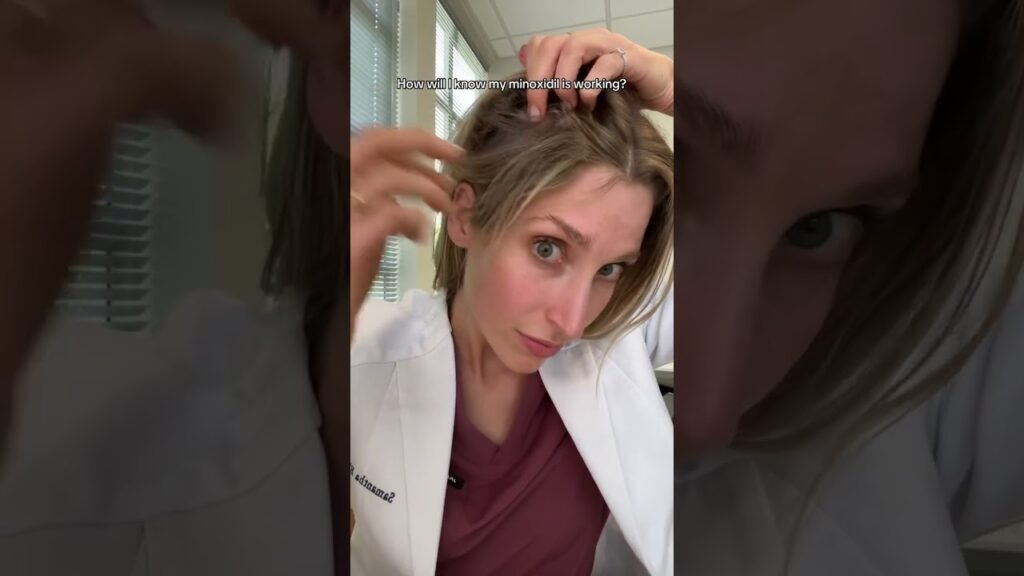
Understanding Minoxidil: What It Is and How It Works
Minoxidil is a widely recognized medication primarily used for promoting hair growth and treating hair loss. Originally developed as an oral medication for hypertension, it was discovered to have a notable side effect—hair regrowth. This led to the development of topical formulations specifically designed to combat hair loss. Available in various concentrations, minoxidil is commonly applied directly to the scalp in the form of a foam or liquid. It is one of the few FDA-approved treatments for androgenetic alopecia, commonly known as male or female pattern baldness.
How Minoxidil Works
The exact mechanism of how minoxidil promotes hair growth is not fully understood, but it is believed to work by stimulating hair follicles and increasing blood flow to the scalp. Minoxidil opens up potassium channels, which helps in dilating blood vessels. This dilation enhances blood circulation, allowing more oxygen, blood, and nutrients to reach the hair follicles. This improved nourishment is thought to extend the anagen phase (growth phase) of the hair cycle, thereby promoting the growth of thicker and longer hair strands.
Application and Results
To achieve the best results, minoxidil should be applied consistently as directed, usually twice a day. Its important to note that initial use may result in increased hair shedding, which is a normal part of the process as older hairs make way for new growth. Users typically start seeing visible results after several months of regular application, with optimal results often appearing after six to twelve months. While minoxidil can be effective in slowing hair loss and stimulating hair growth, its effects are usually only sustained with ongoing use.
When Is the Right Age to Start Using Minoxidil?
Minoxidil, a popular treatment for hair loss, is often sought after by individuals noticing the early signs of thinning hair. However, determining the right age to start using Minoxidil can be crucial for its effectiveness and safety. Typically, Minoxidil is recommended for adults over the age of 18. This recommendation is based on the fact that hair loss patterns and causes can vary significantly in younger individuals, and it’s essential to ensure that the hair loss is not due to temporary conditions or underlying health issues that require different treatments.
Considerations for Young Adults
For young adults, particularly those in their late teens and early twenties, it is important to identify the underlying cause of hair loss before starting Minoxidil. Hair thinning at a younger age can sometimes be attributed to hormonal changes, stress, or nutritional deficiencies, which may not respond to Minoxidil. Consulting with a healthcare professional or dermatologist can help determine whether Minoxidil is appropriate or if other treatments should be considered first.
Minoxidil Usage in Older Adults
As individuals age, the likelihood of experiencing androgenetic alopecia, or pattern hair loss, increases. For those in their late twenties and beyond, Minoxidil can be a more suitable option, as pattern hair loss becomes more pronounced and identifiable. At this stage, using Minoxidil as part of a comprehensive hair care routine may help slow down hair loss and promote regrowth. It’s essential to follow the recommended usage guidelines and monitor for any side effects, as the effectiveness of Minoxidil can vary from person to person.
Is It Necessary to Use Minoxidil for Hair Loss?
Minoxidil is a popular over-the-counter treatment for hair loss, known for its effectiveness in promoting hair growth and slowing down balding. However, whether it is necessary to use Minoxidil largely depends on individual circumstances, including the type and severity of hair loss, as well as personal preferences and medical conditions. Minoxidil is often recommended for androgenetic alopecia, a common form of hair loss in both men and women. It works by revitalizing hair follicles and increasing blood flow to the scalp, which can lead to thicker and healthier hair over time.
Alternatives to Minoxidil
While Minoxidil is a proven solution for many, it is not the only option available for those experiencing hair loss. Some individuals may prefer natural remedies, such as essential oils or supplements, which claim to support hair health. Others might explore prescription medications like finasteride, which is often used in conjunction with Minoxidil for more comprehensive results. Hair transplant surgery and laser therapy are also viable options for those seeking more permanent solutions. Each of these alternatives comes with its own set of benefits and potential drawbacks, making it crucial for individuals to consult with a healthcare professional to determine the best course of action for their specific needs.
Considerations Before Using Minoxidil
Before starting Minoxidil, it is important to consider potential side effects and the commitment required. Some users may experience scalp irritation, dryness, or unwanted facial hair growth. Additionally, consistent and long-term use is often necessary to maintain results, as discontinuing treatment can lead to the resumption of hair loss. Its also important to note that Minoxidil may not be effective for everyone, particularly in cases of hair loss due to non-genetic factors such as stress or nutritional deficiencies. Consulting with a dermatologist or trichologist can help determine whether Minoxidil is a suitable option based on individual hair loss patterns and overall health.
Benefits and Risks of Starting Minoxidil at Different Ages
Starting Minoxidil, a popular treatment for hair loss, can offer various benefits and risks depending on the age at which you begin the treatment. For individuals in their early 20s, Minoxidil may help in combating early signs of hair thinning and potentially delaying significant hair loss. Younger users often experience more robust results due to the relatively healthier state of their hair follicles. Moreover, early intervention can help maintain confidence and self-esteem, especially as one navigates through critical life stages such as career development and social interactions.
Benefits for Middle-Aged Individuals
For those in their 40s and 50s, starting Minoxidil can still be beneficial, though the results may vary. At this age, individuals might experience a slower progression of hair loss, and Minoxidil can help in maintaining the current hair density. While the hair regrowth might not be as pronounced as in younger users, the treatment can still enhance hair thickness and reduce further thinning. This can be particularly beneficial for those experiencing age-related hair changes and looking to retain a youthful appearance.
Risks and Considerations Across Ages
Despite its benefits, starting Minoxidil at any age comes with potential risks and considerations. Younger users might face challenges such as developing a dependency on the product to maintain results, while older individuals might experience slower or less noticeable hair regrowth. Additionally, some users may encounter side effects like scalp irritation or unwanted facial hair growth. Its crucial for individuals of all ages to consult with healthcare professionals to tailor the treatment to their specific needs and to monitor any adverse effects closely.
Expert Opinions: What Age to Start Minoxidil for Best Results?
When it comes to hair loss treatments, timing can play a crucial role in effectiveness, and this is especially true for Minoxidil. Experts suggest that the age at which you start using Minoxidil can significantly impact its results. According to dermatologists, starting Minoxidil at the first signs of hair thinning, which often occurs in ones late teens to early twenties, can offer the best outcomes. This is because Minoxidil works by prolonging the anagen phase of hair growth, and initiating treatment early can help maintain hair density before significant loss occurs.
However, the age to start Minoxidil is not strictly defined, as hair loss patterns and causes can vary greatly among individuals. Trichologists—specialists in hair and scalp health—often recommend starting Minoxidil in your mid-twenties if you have a family history of early hair loss. This proactive approach can help counteract genetic predispositions to androgenetic alopecia, which is the most common form of hair loss. Its important to note that while Minoxidil is approved for use in individuals aged 18 and older, consulting with a healthcare provider before starting treatment can ensure it is appropriate for your specific situation.
For those in their thirties and beyond, starting Minoxidil is still a viable option, though experts emphasize the importance of setting realistic expectations. Dermatologists point out that while Minoxidil can still be effective at older ages, the results might be less dramatic if significant hair thinning has already occurred. They advise that consistent application and patience are key, as noticeable improvements can take several months. Additionally, combining Minoxidil with other treatments, such as oral medications or low-level laser therapy, may enhance results for individuals starting treatment later in life.

