
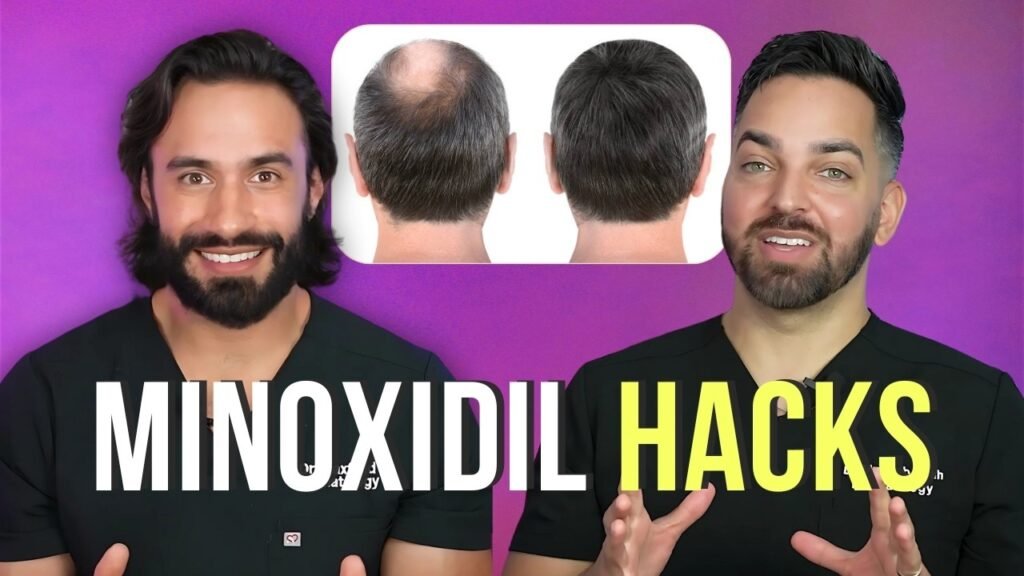
Understanding the Benefits of Using Minoxidil for Hair Growth
Minoxidil, a topical treatment widely recognized for its efficacy in promoting hair growth, offers several benefits for individuals experiencing hair thinning or loss. Originally developed as a medication for high blood pressure, it was discovered that Minoxidil had a remarkable side effect: it promoted hair growth. This discovery led to the development of Minoxidil as a topical solution specifically designed to combat hair loss and stimulate hair regrowth.
Promotes Hair Regrowth
One of the primary benefits of Minoxidil is its ability to stimulate hair regrowth. By increasing blood flow to hair follicles, Minoxidil helps to enlarge and revitalize shrunken hair follicles, encouraging them to transition from a dormant phase to an active growth phase. This process can lead to thicker, fuller hair over time. Clinical studies have shown that consistent use of Minoxidil can result in noticeable improvements in hair density and volume, making it a popular choice for those seeking to reverse hair loss.
Easy Application and Accessibility
Another significant advantage of Minoxidil is its ease of application and accessibility. Available over-the-counter in various formulations such as liquid or foam, it can be easily integrated into daily hair care routines. Users typically apply Minoxidil directly to the scalp twice a day, allowing for targeted treatment of affected areas. Its availability without the need for a prescription makes it a convenient option for individuals looking to address hair loss without undergoing invasive procedures or prescription medications.
How to Properly Use Minoxidil and Shampoo Together
When integrating Minoxidil into your hair care routine, its essential to understand how to use it alongside your regular shampoo for optimal results. Minoxidil, a topical treatment for hair loss, needs to be applied correctly to ensure its effectiveness. To start, always apply Minoxidil to a dry scalp, as a wet scalp can dilute the solution and reduce its potency. After application, allow it to fully absorb for at least 4 hours before shampooing your hair. This ensures that the Minoxidil has enough time to penetrate the scalp and stimulate hair follicles effectively.
Choosing the Right Shampoo
Selecting a compatible shampoo is crucial when using Minoxidil. Look for shampoos that are gentle and sulfate-free to avoid irritating the scalp. Some shampoos are specifically formulated to complement Minoxidil, enhancing its absorption and efficacy. Ingredients such as ketoconazole or biotin in shampoos can also support hair health and improve Minoxidils effectiveness. Avoid shampoos with harsh chemicals or strong fragrances that might interfere with Minoxidils action or cause scalp irritation.
Incorporating Minoxidil and Shampoo into Your Routine
Establishing a consistent routine is key to effectively using Minoxidil and shampoo together. Begin by applying Minoxidil twice daily, as recommended, and ensure that your scalp is clean and dry before each application. Plan your shampooing schedule around your Minoxidil applications, perhaps washing your hair in the morning and applying Minoxidil in the evening. This balance helps maintain a clean scalp without washing away the treatment too soon. Additionally, be mindful of the amount of shampoo used; excessive shampooing can strip natural oils from your scalp, potentially affecting Minoxidils absorption and your overall hair health.
Minoxidil and Shampoo: Are There Any Side Effects?
When considering the integration of minoxidil into your hair care routine, especially in conjunction with shampoo, its essential to understand the potential side effects. Minoxidil is a well-known topical treatment for hair loss, primarily used to stimulate hair growth and slow balding. While it is generally safe for most users, some individuals might experience side effects when using minoxidil-based shampoos.
One common side effect reported by users is scalp irritation. This can manifest as redness, itching, or a burning sensation. The irritation might be due to the alcohol and propylene glycol present in some formulations, which can dry out the scalp. To mitigate this, it is advisable to use a moisturizing conditioner or a hydrating shampoo alongside your minoxidil treatment. Moreover, those with sensitive skin should perform a patch test before full application to ensure no adverse reactions occur.
In addition to scalp irritation, some users might notice an increase in hair shedding during the initial weeks of treatment. This phenomenon, known as «shedding phase,» is typically temporary and occurs as the follicles make way for new growth. While alarming, it is a common response to minoxidil use and usually subsides within a few weeks. However, if excessive shedding continues, consulting a healthcare professional is recommended to rule out other underlying issues.
Choosing the Right Shampoo to Complement Minoxidil Treatment
Selecting the appropriate shampoo to complement your Minoxidil treatment can significantly enhance the effectiveness of your hair regrowth regimen. Minoxidil, a well-known topical solution, works by stimulating hair follicles, but the right shampoo can provide additional benefits such as cleansing the scalp, reducing inflammation, and promoting a healthier environment for hair growth. When choosing a shampoo, its essential to consider its ingredients and how they align with the needs of your scalp and hair during treatment.
Ingredients to Look For
When selecting a shampoo to use alongside Minoxidil, look for ingredients that promote scalp health and support hair growth. Biotin, also known as vitamin B7, is a crucial nutrient that strengthens hair and reduces breakage. Niacin helps improve blood circulation to the scalp, which can enhance the delivery of Minoxidil to hair follicles. Ketoconazole is another beneficial ingredient, known for its antifungal properties that help maintain a healthy scalp environment by reducing dandruff and inflammation. These ingredients work synergistically with Minoxidil to foster optimal conditions for hair regrowth.
Ingredients to Avoid
While there are ingredients that can boost the effectiveness of Minoxidil, some can counteract its benefits. Avoid shampoos containing sulfates, as they can strip the scalp of natural oils and lead to dryness, which might hinder the absorption of Minoxidil. Similarly, steer clear of shampoos with parabens and artificial fragrances, as these can irritate the scalp and potentially cause allergic reactions. Opting for a shampoo with natural, gentle ingredients ensures that your scalp remains receptive to Minoxidil treatment without unnecessary irritation.
Frequently Asked Questions About Minoxidil and Shampoo Use
Can I use shampoo after applying Minoxidil?
Yes, you can use shampoo after applying Minoxidil, but it is essential to allow the product to fully absorb into your scalp first. Typically, it is recommended to wait at least 4 hours after applying Minoxidil before washing your hair. This waiting period ensures that the medication has enough time to penetrate the scalp effectively, maximizing its potential benefits for hair growth.
What type of shampoo should I use with Minoxidil?
When using Minoxidil, its important to choose a shampoo that is gentle on the scalp and does not contain harsh chemicals that could interfere with the treatment. Sulfate-free shampoos are often recommended as they tend to be less irritating and help maintain the natural oils of the scalp. Additionally, shampoos formulated with ingredients like ketoconazole or biotin can be beneficial, as they may complement the effects of Minoxidil by promoting a healthy scalp environment.
Is it safe to use conditioner after applying Minoxidil?
Yes, using conditioner after applying Minoxidil is generally safe, but similar to shampoo, it is crucial to ensure that Minoxidil has had adequate time to absorb. Applying conditioner can help maintain hair moisture and manageability, especially if youre using Minoxidil, which may sometimes cause dryness. To avoid washing away the medication, apply conditioner during your regular shower routine, ideally after the 4-hour absorption window for Minoxidil has passed.

